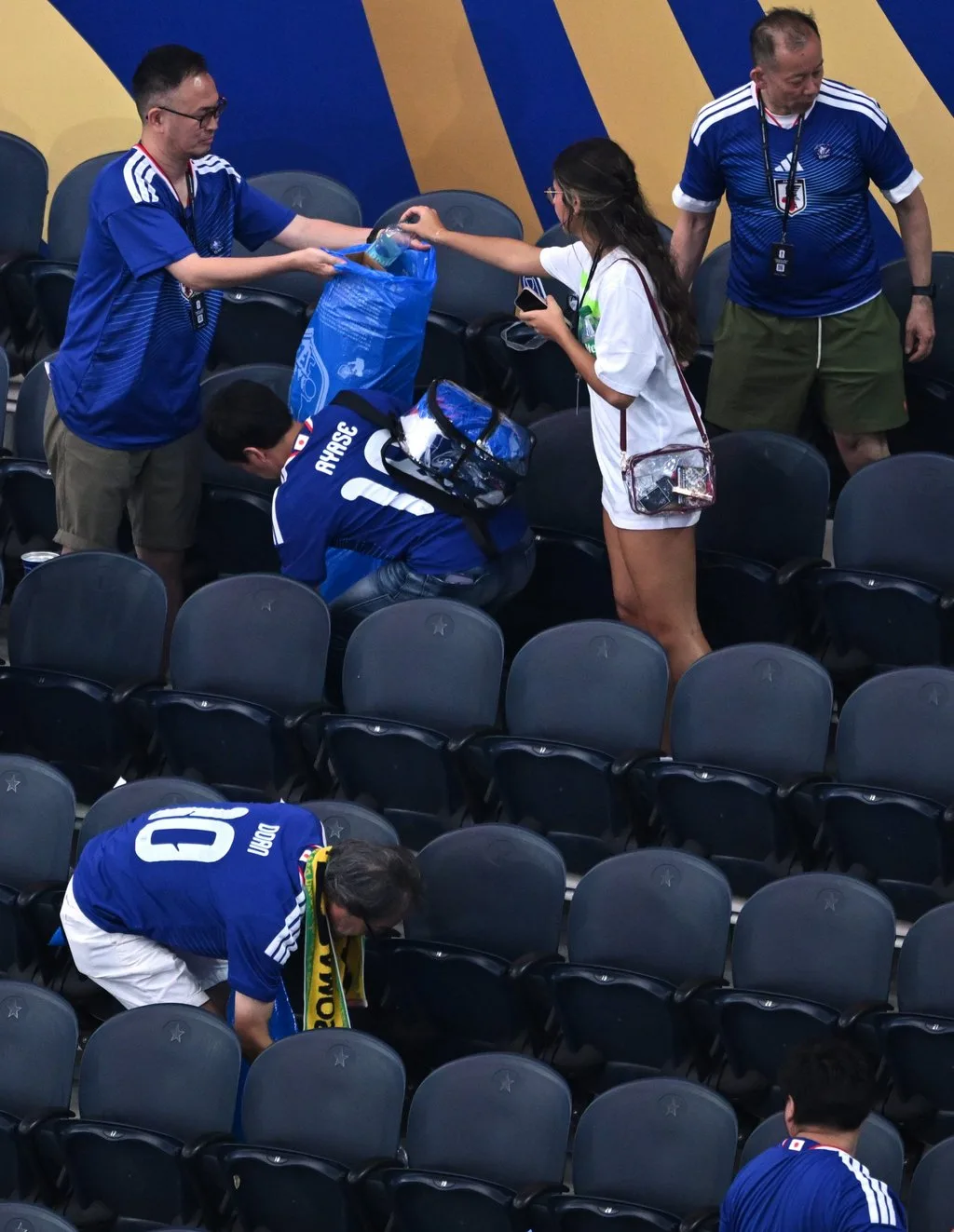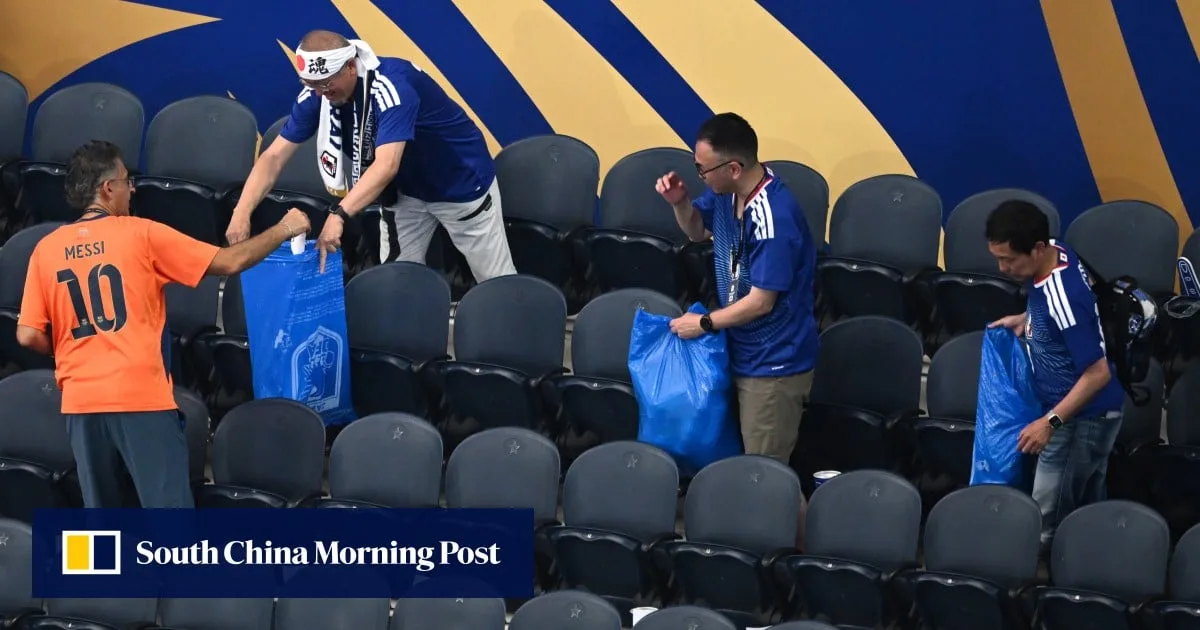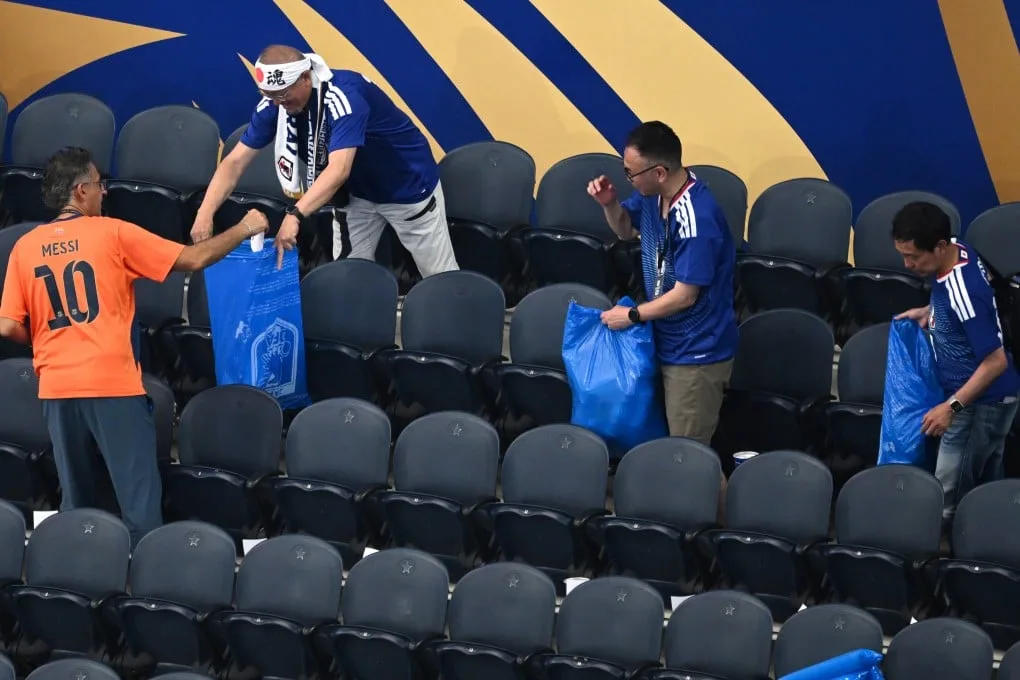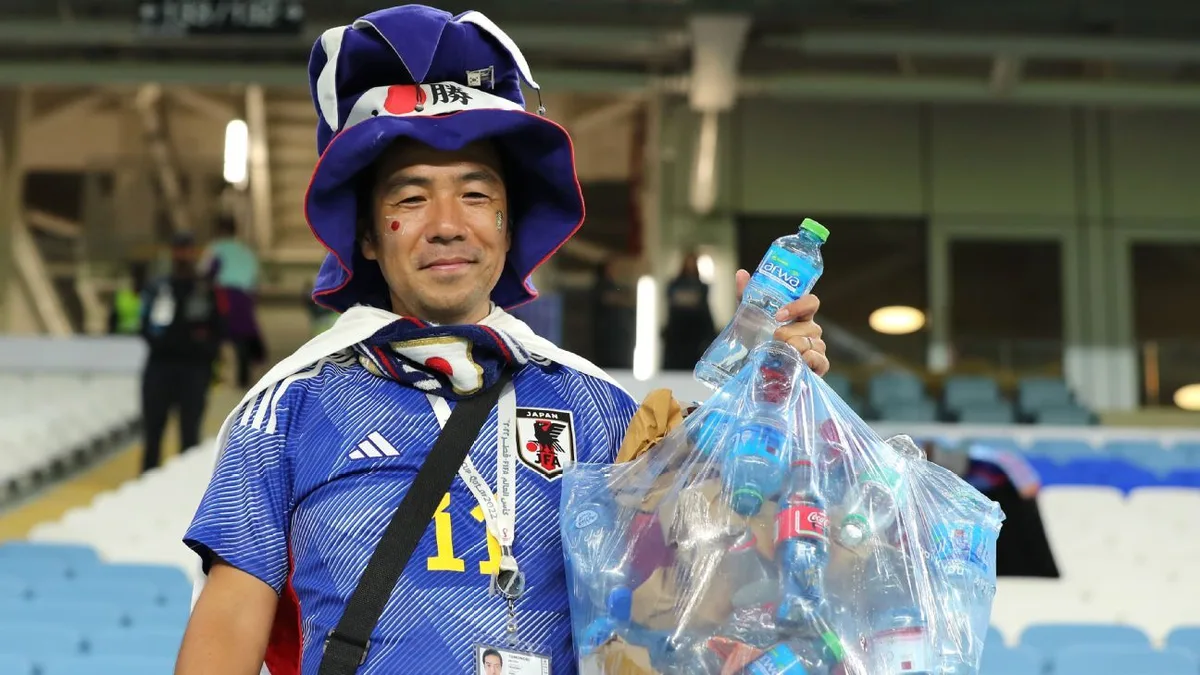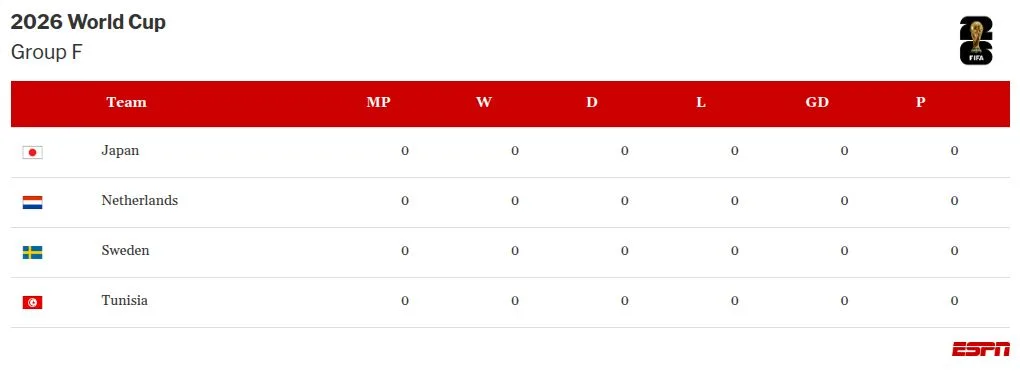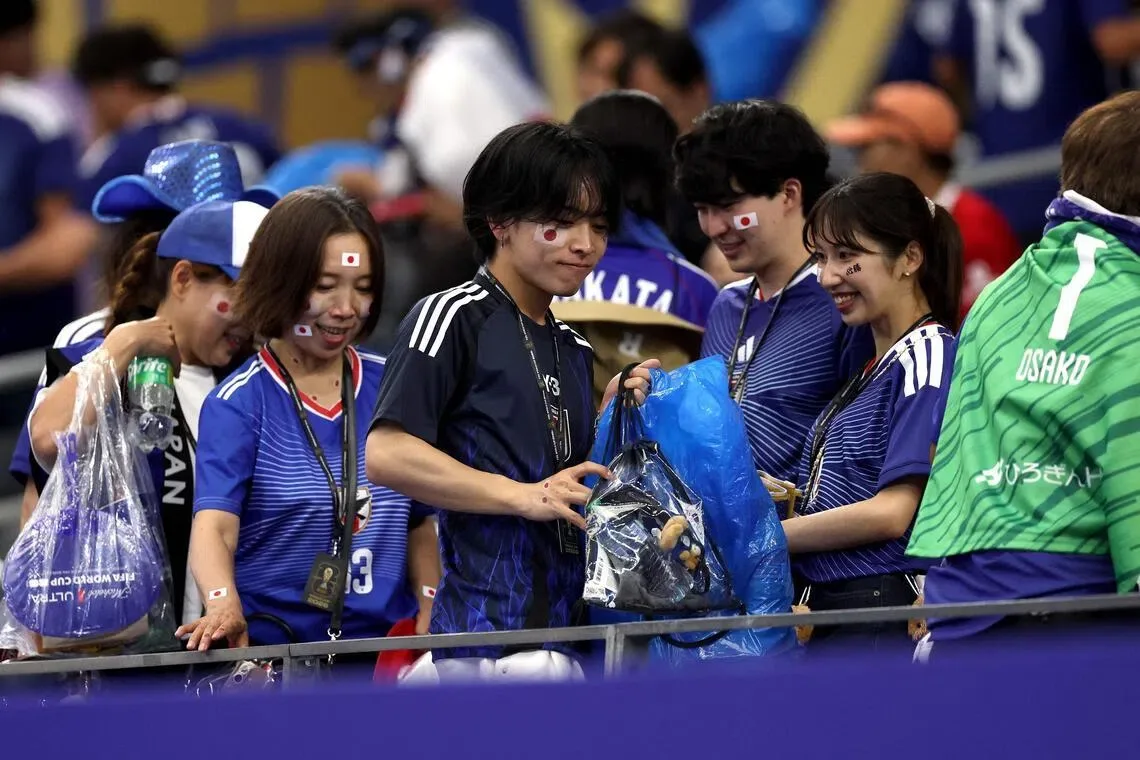
Japan played its eighth consecutive World Cup match on June 14 in Arlington, Texas, drawing 2-2 with the Netherlands [1, 2, 3, 4]. After the final whistle, Japanese fans stayed behind to clean the stadium stands. They collected trash and stuffed it into blue plastic bags, leaving their section spotless [1, 2, 3, 4].
This behavior is rooted in a cultural practice taught from early childhood in Japan. Students there are instructed to clean their classrooms daily without teacher prompting, cultivating a habit of leaving places tidier than they were found. Eita Tanaka explained, "Japanese people think that, when we use a certain place, we were told that you have to make that place look tidier when you leave than it was when you arrived. For example, at school in our classrooms we tidy it up after ourselves without our teacher telling us" [1].
Futo Hagiwara added, "This is our culture. That means everywhere we go we need to clean it after ourselves. It’s our spiritual way, our attitude" [1]. Sociologist Masachi Ohsawa attributed the habit to strong feelings of social responsibility and peer pressure among people who share a space directly. "They feel a strong desire not to cause them any trouble or make them feel uncomfortable," he said [1].
Scott North, professor of sociology at Osaka University, noted the clean-up at matches is an extension of school habits. "With constant reminders throughout childhood, these behaviours become habits for much of the population," he said [5]. Japanese fans first gained international attention for this habit at the 2018 FIFA World Cup in Qatar, where they also left stadiums spotless after matches [5]. The Japanese phrase "Tatsu tori ato wo nigosazu," meaning "a bird leaves nothing behind," reflects this cultural attitude of returning places as found or tidier [5].
Even NFL quarterback Jameis Winston joined the clean-up, wearing a blue Japan shirt at the June 14 game [1, 2, 4]. Public waste bins are rare in Japan, as people are expected to carry their rubbish home [1, 2, 4].
Japan will next play in their World Cup group stage schedule after the opening game, continuing its bid at the 2026 tournament [1, 2, 3, 4].