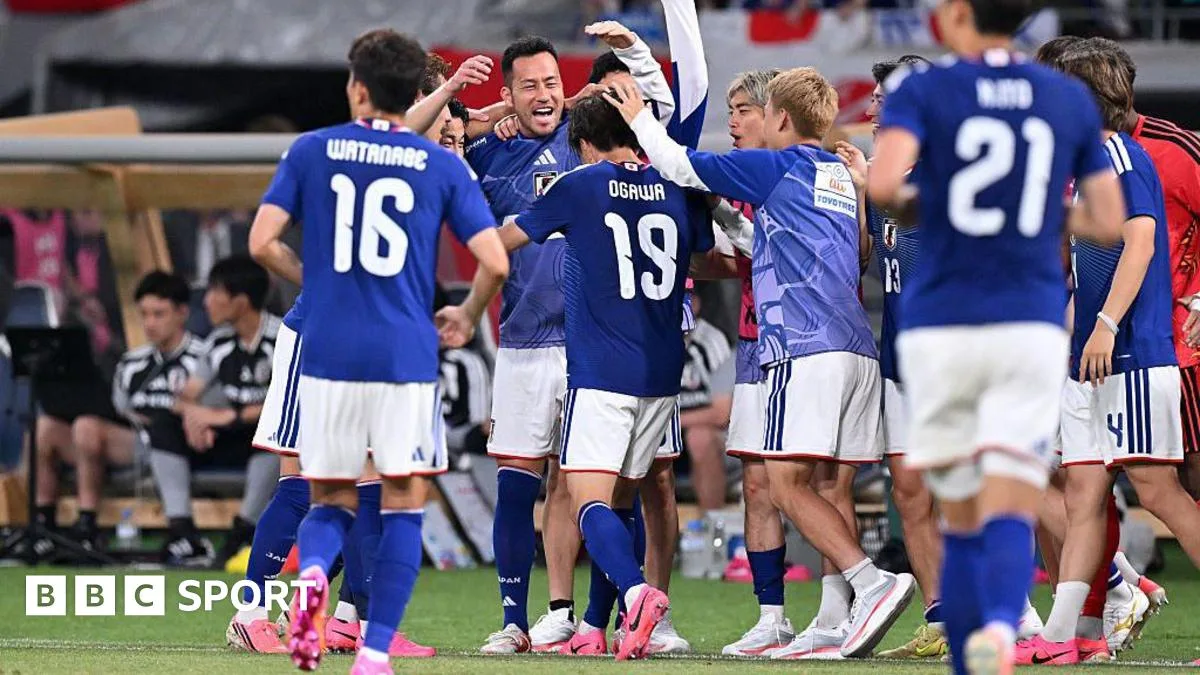
Japan secured a 1-0 victory against Iceland in a friendly football match on June 1, 2026, capitalizing on a new substitution rule introduced this season [1, 2, 3]. The match featured a rule requiring players to leave the field within 10 seconds after a substitution is called. If the outgoing player fails to exit on time, the substitute cannot enter until one minute and the next stoppage with the referee's permission [1, 2, 3].
Iceland’s substitute Isak Thorvaldsson was unable to come onto the field because the replaced player did not leave within the 10-second window [1, 2, 3]. This temporarily left Iceland with 10 players on the pitch, creating an opportunity Japan exploited. Koki Ogawa scored the winning goal with a header in the 87th minute during that period [1, 2, 3].
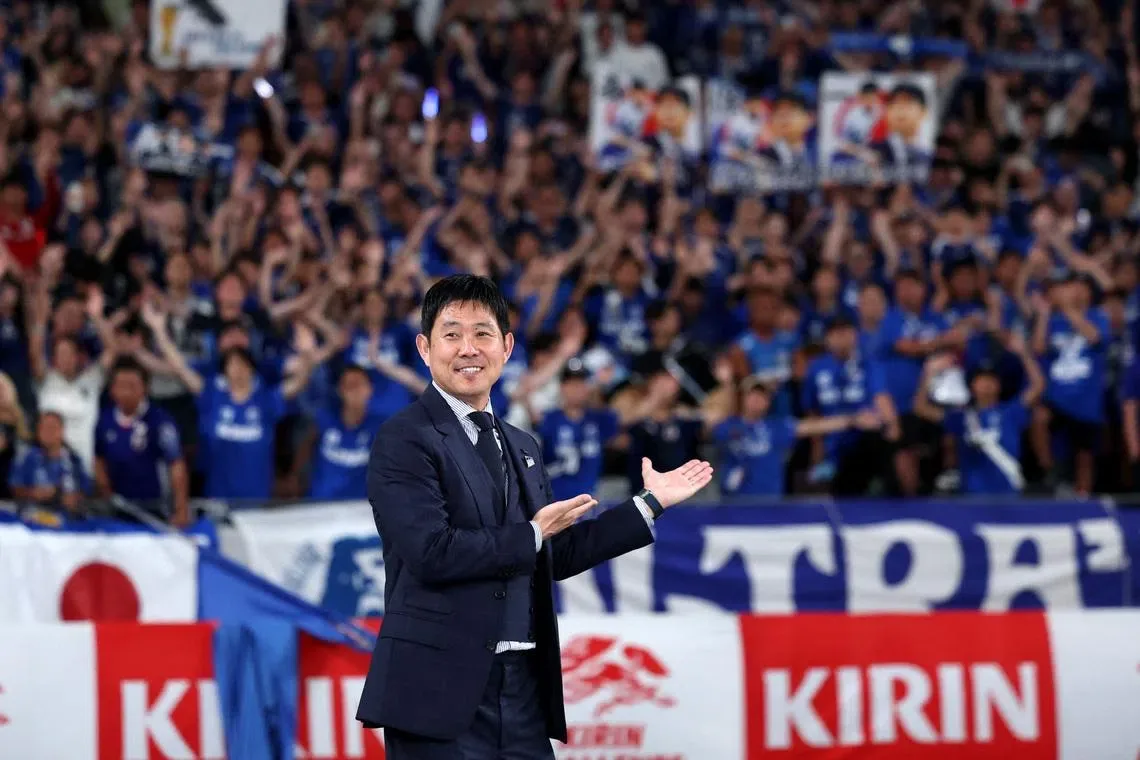
The match also marked the debut of three-minute hydration breaks each half, allowing coaches to give tactical instructions. Japan’s manager Hajime Moriyasu praised his team for adapting well to the changes but cautioned they must avoid similar substitution mistakes in future games. "I thought the players handled the new rule adjustments today with almost no issues," Moriyasu said [1]. He added, "Under the new rules, players won't necessarily be able to get back on the pitch as quickly as before. That's something we need to be mindful of. Whether it's during substitutions or in other moments, we need to avoid creating openings that give the opponent a chance" [2].
Moriyasu also emphasized the importance of effectively using the hydration breaks for communication: "In those three minutes, we have to organise the key points we need to get across and communicate them clearly to the players," he said. "I felt that how well we use those three minutes could have a major impact on the outcome of matches, so we want to prepare thoroughly" [1, 2].
Japan will begin their 2026 World Cup campaign on June 14 against the Netherlands [2].