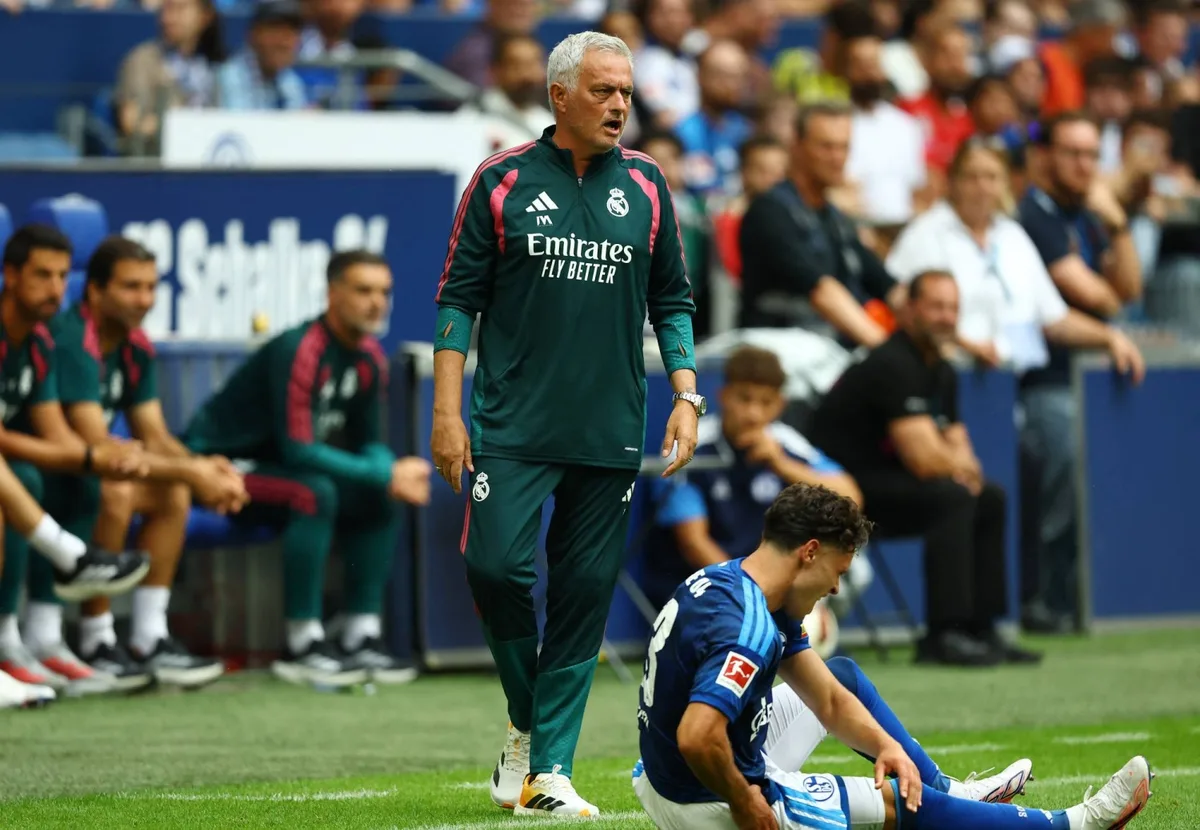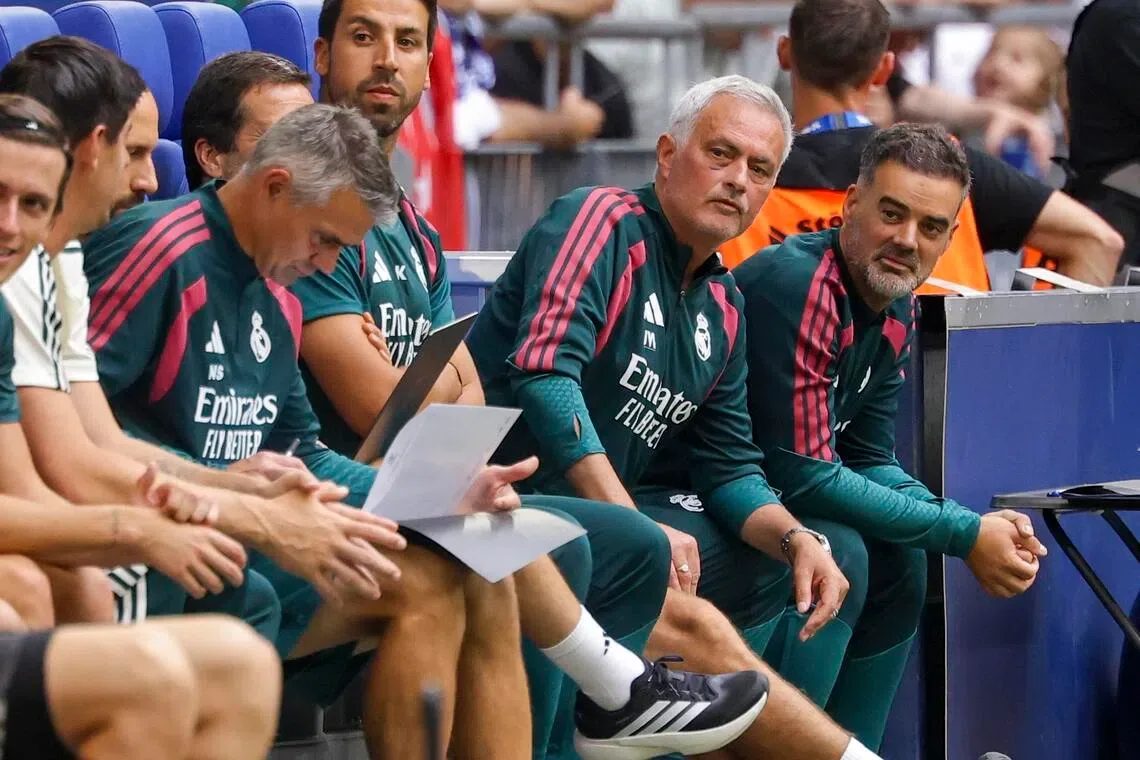
Jose Mourinho returned to manage Real Madrid on August 20, 2026, starting his second spell 16 years after his first tenure from 2010 to 2013. He kicked off his comeback with a La Liga away match against Espanyol in Barcelona, not against Real’s main rival, Barcelona themselves [1, 2, 3].
The 63-year-old Portuguese coach faces the challenge of restoring Real Madrid as Spain's top club by dethroning Barcelona [1, 2, 3]. Mourinho said he is "much more mature, less emotional, and more in control... as always, learning from mistakes," while emphasizing his goal "to create a culture of work, responsibility, ambition" at the club [1, 2].
Since Mourinho’s departure in 2013, Real Madrid has struggled with dressing room tensions and a series of coaches who failed to find balance in the squad [1, 2]. Previous managers—Carlo Ancelotti, Xabi Alonso, and Álvaro Arbeloa—found it difficult to manage star players including Kylian Mbappe, Vinicius Junior, and Jude Bellingham [1, 2]. Mourinho aims to restore the intensity and attitude that defined his first spell at the club [1, 2, 3].
This summer, Real Madrid broke the club’s transfer record by signing Ivorian winger Yan Diomande for €140 million (S$208 million). Other significant additions include Bernardo Silva and Marc Cucurella [1, 2]. Critics, however, argue the squad remains short in midfield after failing to sign Rodri, who instead joined Barcelona [1, 2].
Mourinho's return marks a crucial juncture for Real Madrid as the club hopes to resolve internal conflicts and reassert dominance in La Liga. The team's official next match will test Mourinho’s impact as they face Espanyol today in La Liga [1, 2, 3].