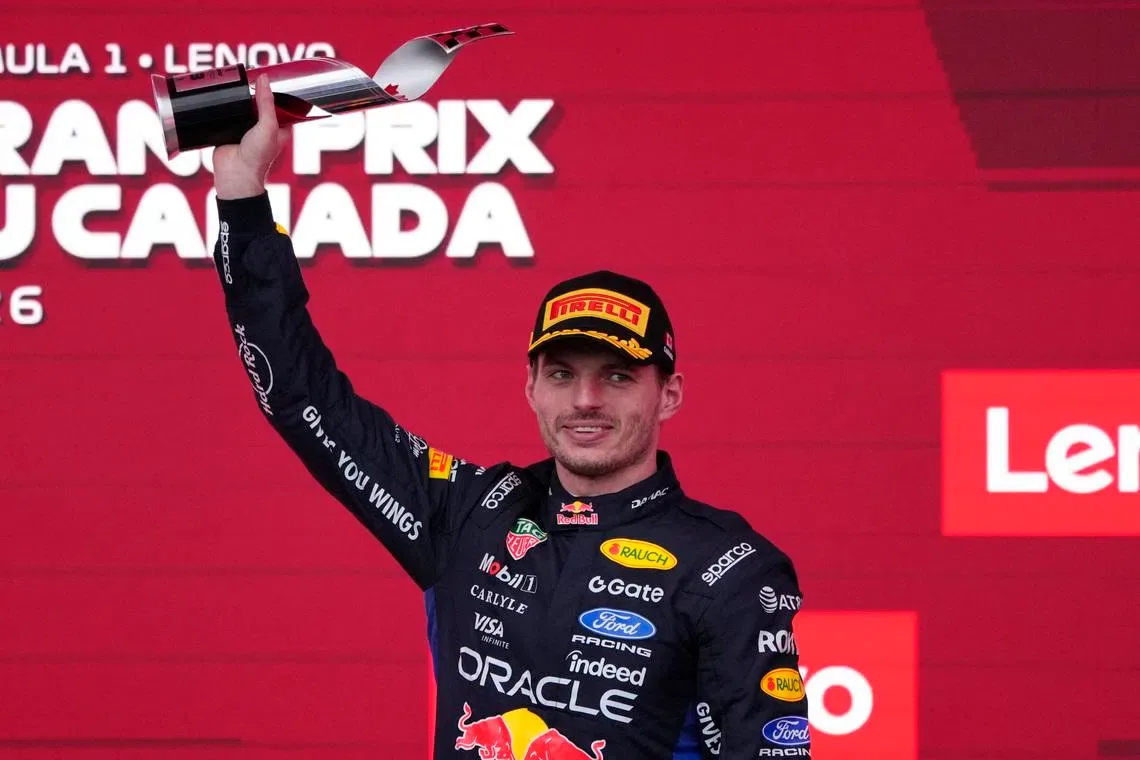
Max Verstappen finished third at the Canadian Grand Prix on May 24, marking his first podium this season [1, 2, 3]. The 28-year-old Dutch driver openly criticized current Formula One regulations, especially in qualifying, calling them "very anti-driving, anti-racing" and saying, "that’s not what Formula One should be about" [1].
Verstappen, competing between the Miami and Canada races in the Nuerburgring 24 Hours endurance event on May 21, condemned the sport's shift in technical rules and power unit design [1, 2, 3]. The current F1 hybrid power units use roughly a 50-50 split between combustion and electric power. Planned changes for 2027 aim to adjust this balance to approximately 60-40 in favor of combustion engines [1, 2, 3]. Verstappen called these modifications "very, very positive — or at least, almost back to normal" and said they would be the minimum he could accept to continue racing beyond 2026 [1].
He warned if the 2027 changes were reversed, "continuing mentally would not be doable for me" [1, 2, 3]. On May 23, Verstappen reasserted his mental limits to keep competing without these rule shifts [1, 2, 3].
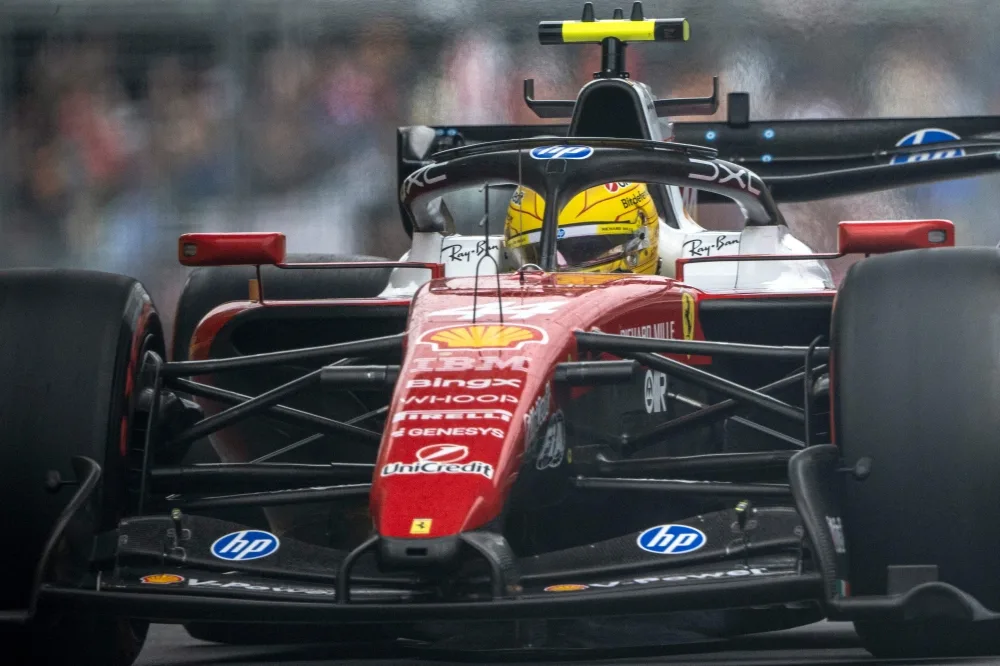
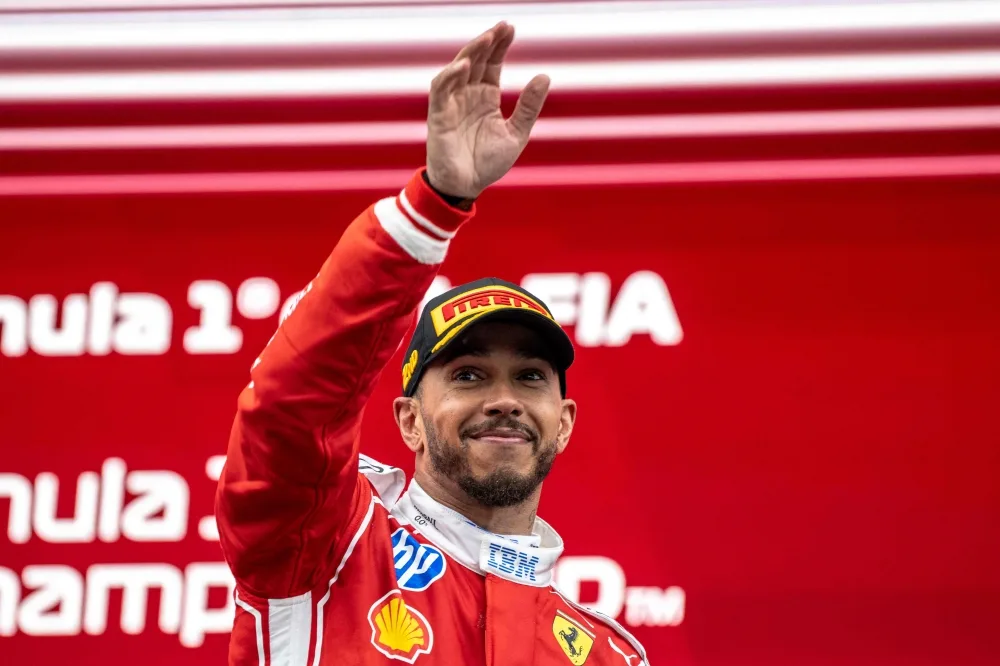
At the Canadian Grand Prix, Italian teenager Kimi Antonelli claimed victory for Mercedes and extended his lead in the drivers’ championship to 43 points over George Russell [4]. Lewis Hamilton, 41, achieved his best result since joining Ferrari by finishing second, marking his 104th career podium [4]. Hamilton expressed gratitude, stating, "I have to say a huge thank you to my team here... it’s an amazing feeling" [4].
Charles Leclerc finished fourth but admitted he lacked confidence in his Ferrari after struggling with tire performance. "I just couldn’t get the tyres working in the window and there is no one to blame for that except me," he said, praising Hamilton’s performance [4].
The Canadian Grand Prix was held on May 24, 2026. Verstappen’s upcoming decision on continuing in Formula One hinges on the implementation of the 2027 power unit regulations [1, 2, 3].