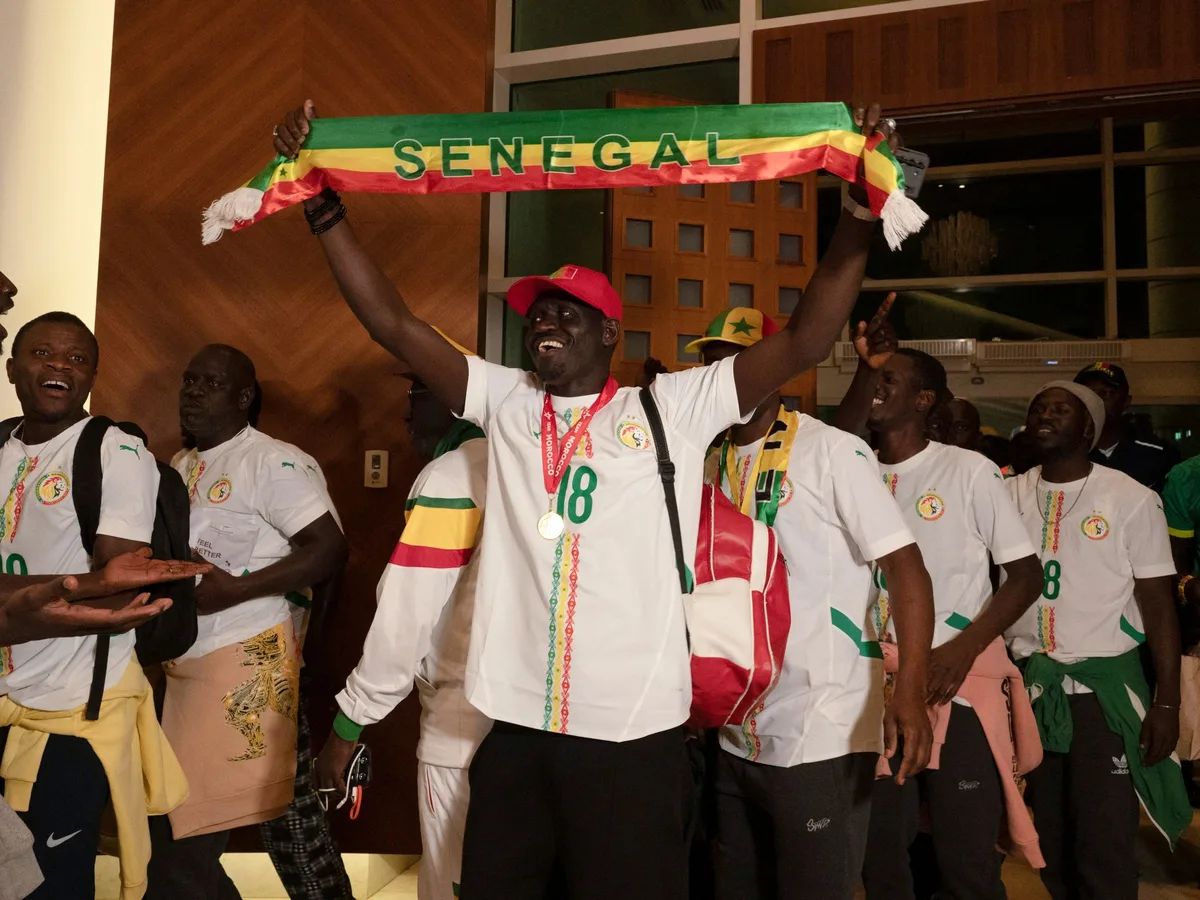
King Mohammed VI of Morocco pardoned 15 Senegalese football fans jailed for hooliganism linked to the 2025 Africa Cup of Nations (AFCON) final held in Rabat on January 18, 2026 [1, 2, 3, 4, 5]. The royal pardon, granted on May 23, 2026, released the remaining imprisoned fans on humanitarian grounds coinciding with the Eid al-Adha holiday and Morocco's close ties with Senegal [1, 2, 3, 4, 5].
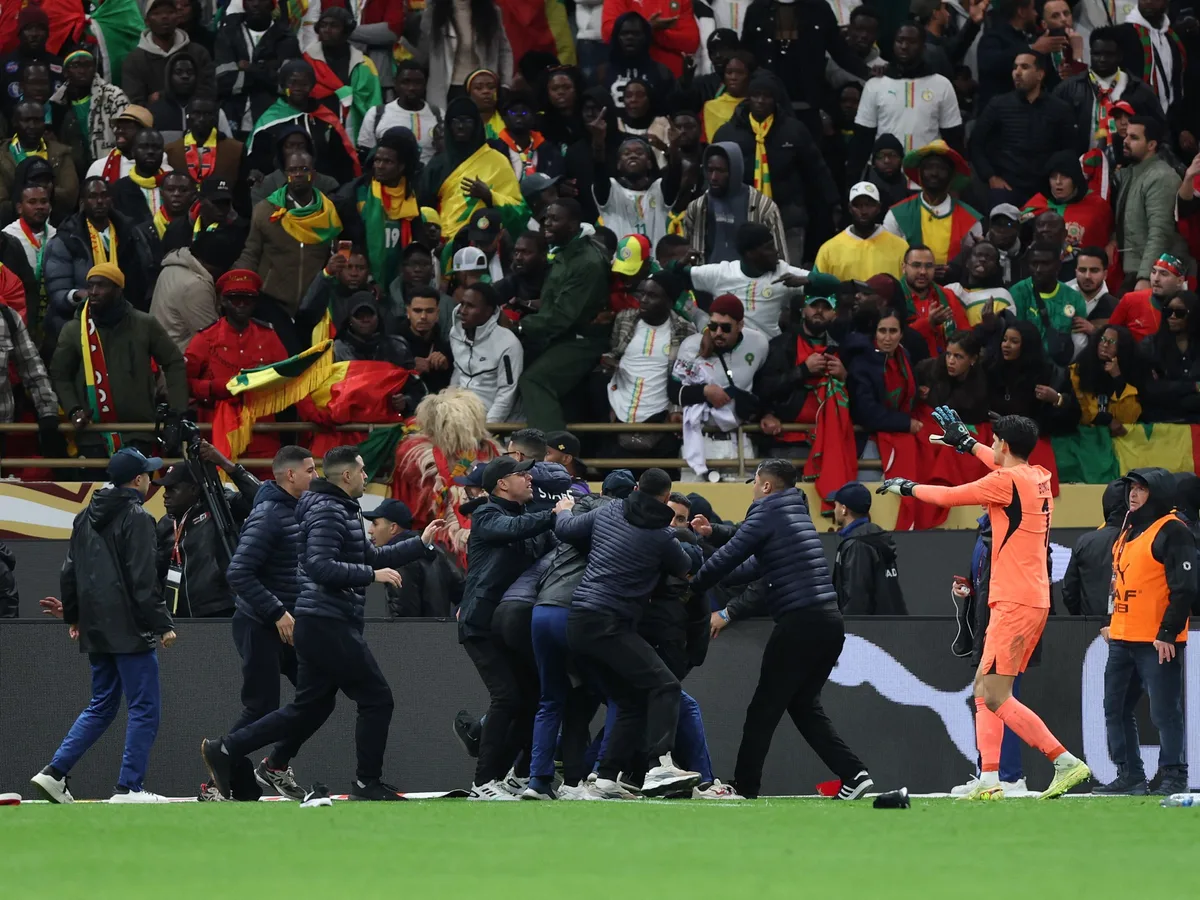
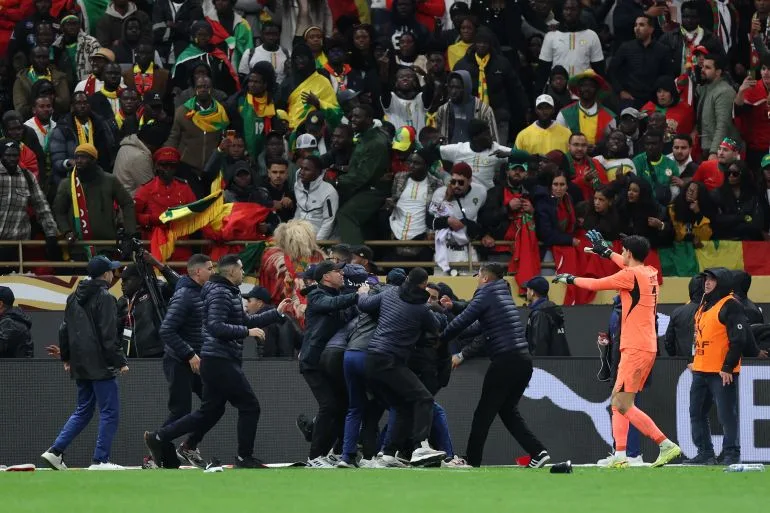
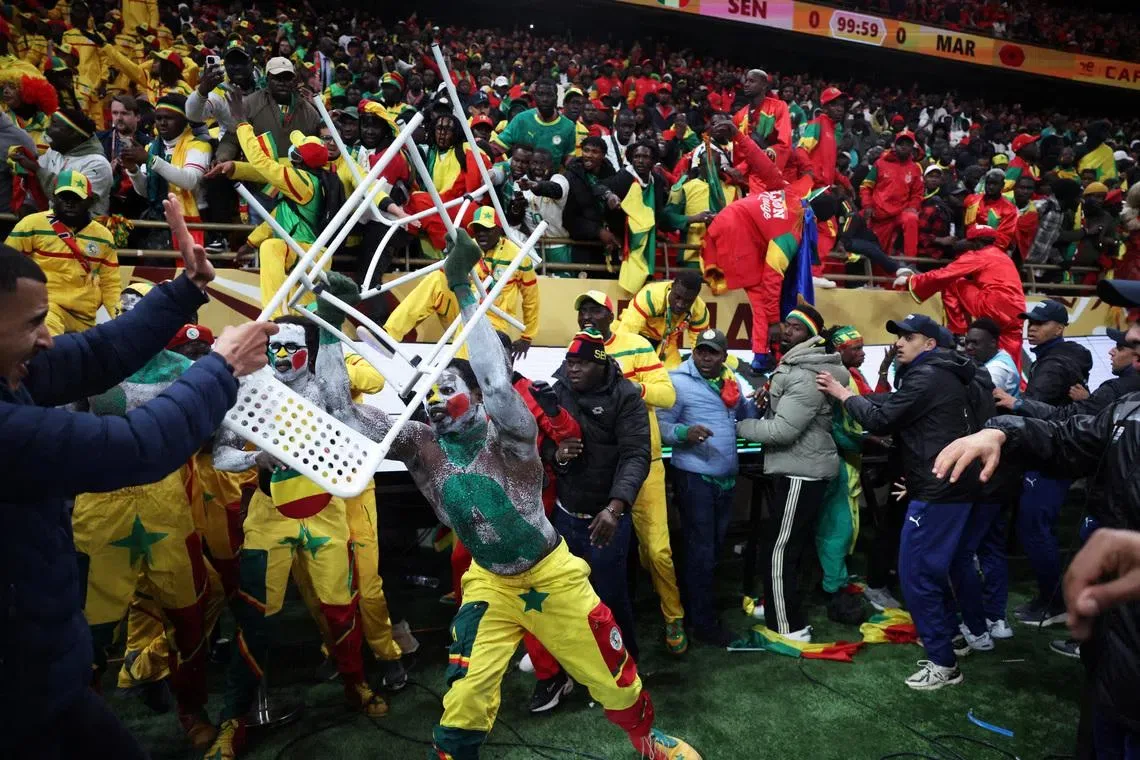
Eighteen Senegalese fans were initially sentenced in February 2026 to prison terms ranging from three months to one year for violence during the final, which sparked incidents including attacks on security personnel, throwing objects, damaging stadium property, and attempted pitch invasion after a controversial penalty decision [1, 2, 4, 5]. Three fans had already been released in mid-April after serving three-month sentences [4, 5].
The AFCON final saw Senegal initially claim a 1-0 victory after Morocco missed a VAR-awarded penalty, but protests by Senegal players and fans caused a stoppage lasting between 14 and nearly 20 minutes, depending on the source [1, 2, 3, 4, 5]. Senegal players temporarily walked off the pitch in protest over the penalty call [1, 2, 3, 4, 5]. The Confederation of African Football (CAF) later overturned the result in March 2026, awarding the title to Morocco by a 3-0 forfeit after upholding Morocco's appeal [1, 2, 3, 5]. Senegal appealed the CAF decision to the Court of Arbitration for Sport (CAS), with a ruling expected within a year [1, 2, 3, 4].
Moroccan authorities estimated the damages caused by the Senegalese fans during the incidents at over 370,000 euros (approximately 550,000 SGD) [5]. Morocco and Senegal share a history of cooperation in areas such as tourism, energy, and religion, with Senegalese being the largest foreign community in Morocco [1, 3, 5]. A Moroccan royal palace statement said the pardon was granted “on humanitarian grounds” and noted “long-standing fraternal relation between the two nations” [1].
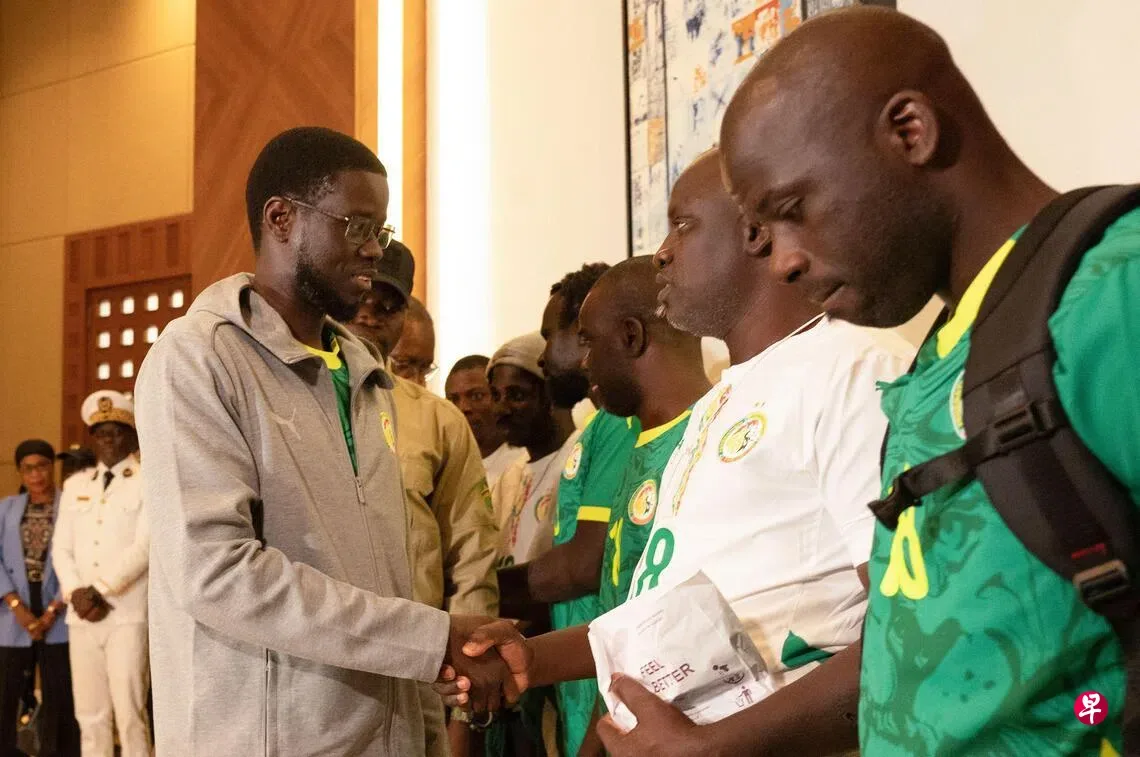
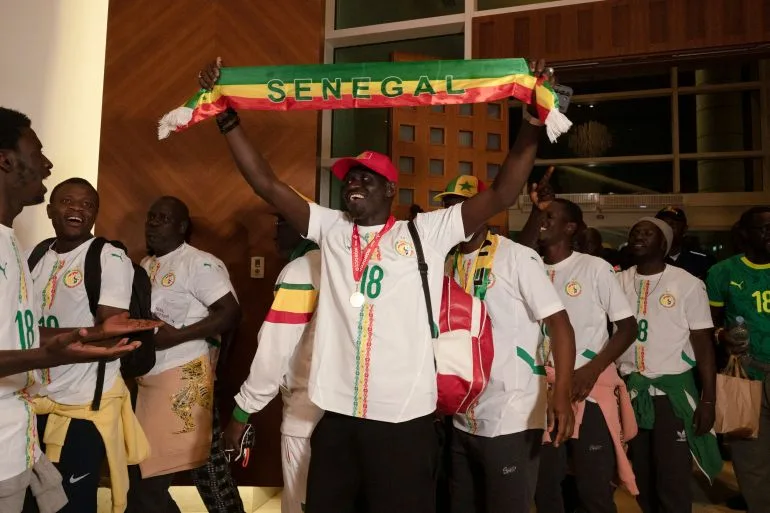
The released fans arrived in Dakar on May 24, 2026, where Senegalese President Bassirou Diomaye Faye welcomed them, saying, “We’re very happy to have them back on Senegalese soil” and calling the national team “two-time African champions” despite the ongoing dispute [4, 5]. He expressed gratitude to Moroccan authorities for the pardon, noting that “our compatriots … are free. They will soon be reunited with their loved ones” [4, 5].