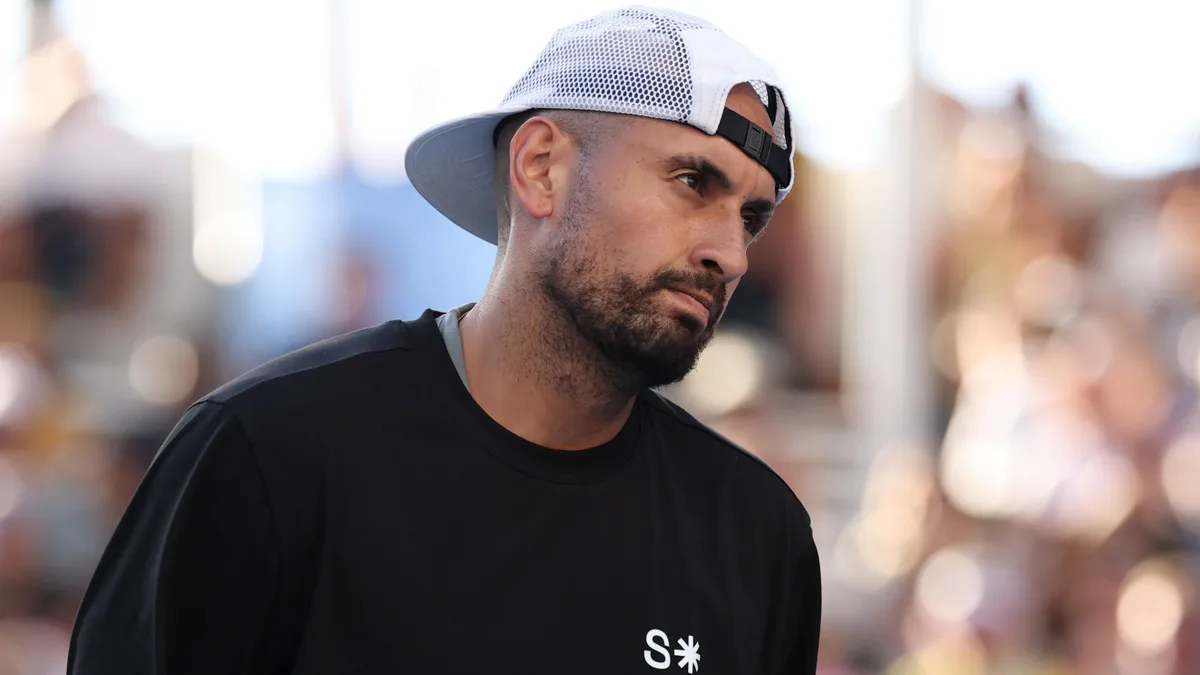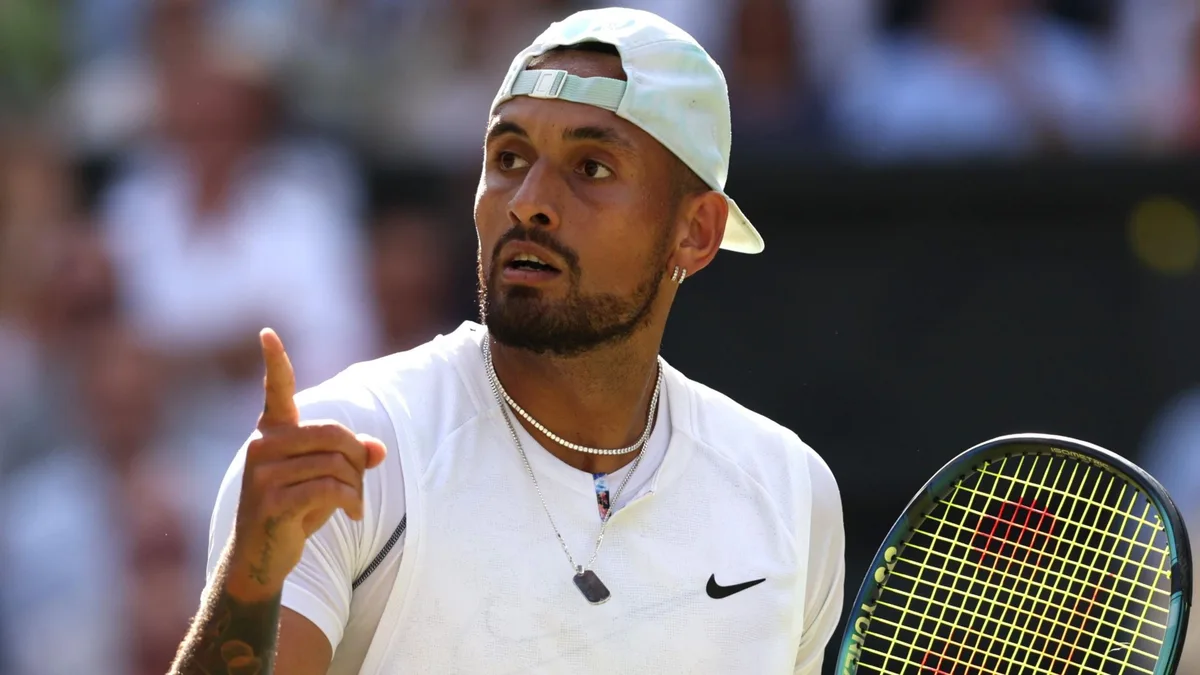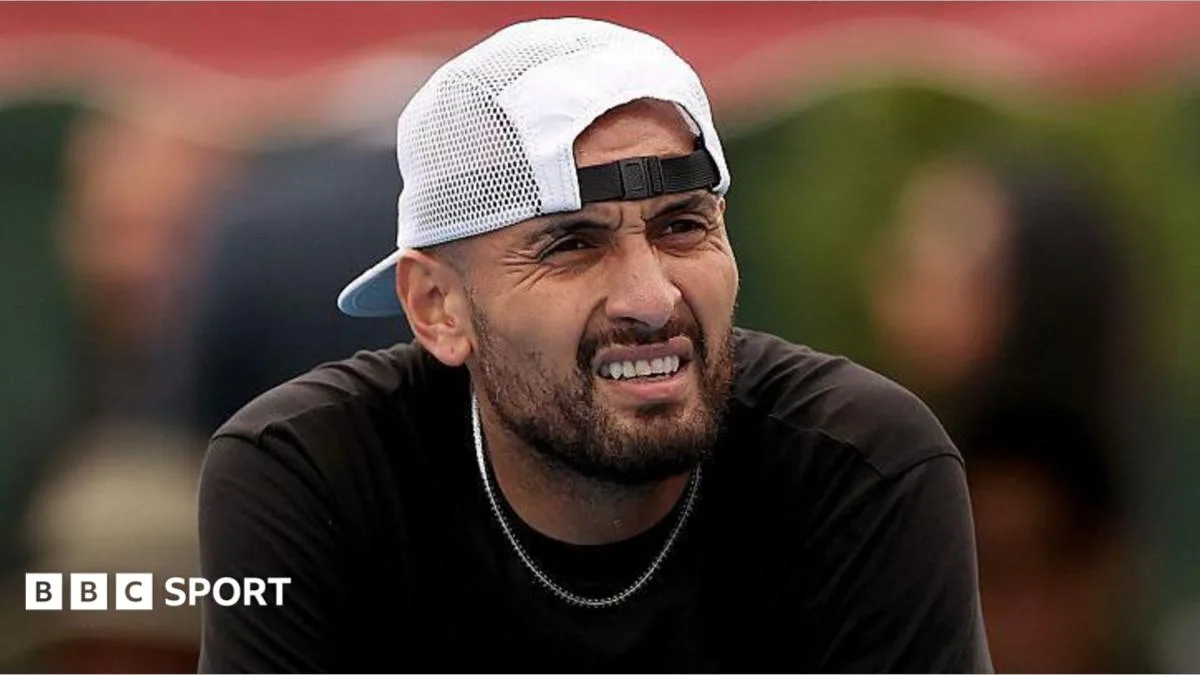
Nick Kyrgios, 31, was provisionally suspended from all tennis activities starting August 4 by the International Tennis Integrity Agency (ITIA) after testing positive for benzoylecgonine, a metabolite of cocaine, in a doping sample collected at the ATP 250 Mallorca Open on June 22, 2026 [1, 2, 3].
The positive result was confirmed by a World Anti-Doping Agency (WADA)-accredited laboratory on July 17. As cocaine is classified as a prohibited stimulant and substance of abuse under WADA rules and banned in competition, Kyrgios is barred from playing, coaching, or attending any ATP, WTA, Grand Slam, ITIA, or national tennis events during his suspension [4, 2, 3].
Kyrgios publicly acknowledged the positive test on Instagram on August 19, apologizing to fans, family, sponsors, and children who look up to him. He said, "I made a huge mistake and I take full responsibility for it." He also revealed plans to step away from social media and public life for 28 days to focus on recovery, asking for privacy for himself and his family [5, 3].
The length of Kyrgios' eventual ban depends on whether he can prove the cocaine ingestion occurred out of competition. If successful, the ban could be as short as one month. If not, a tribunal will convene, and he faces a maximum ban of up to four years [6, 5].
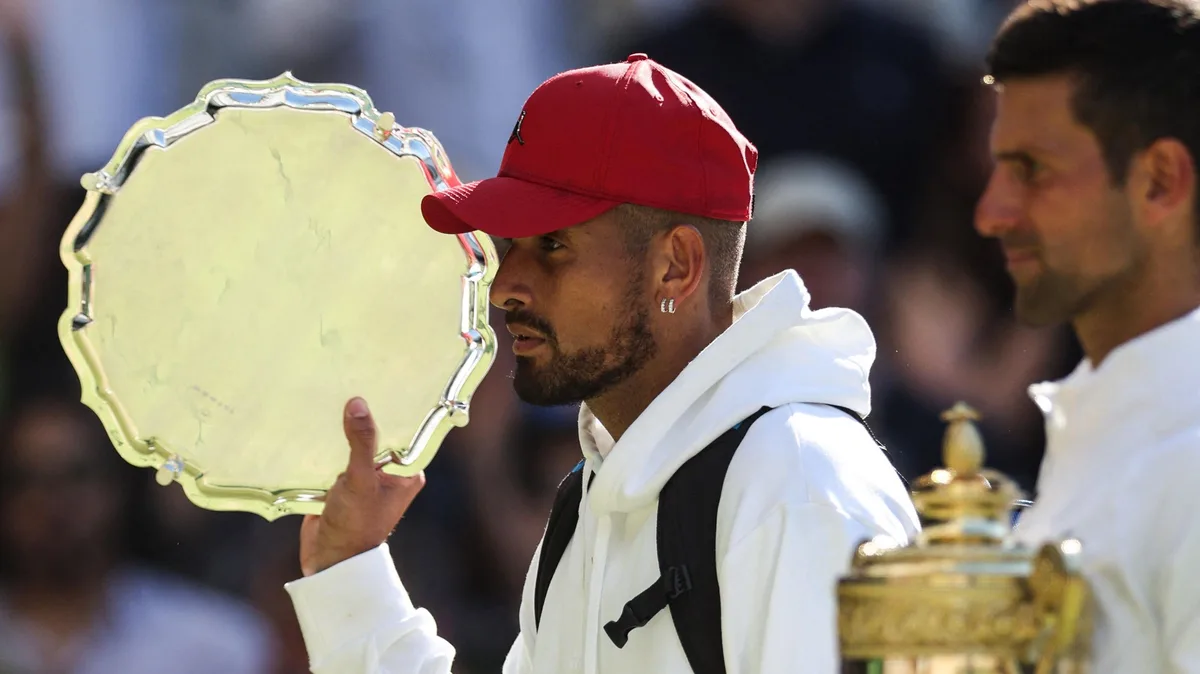
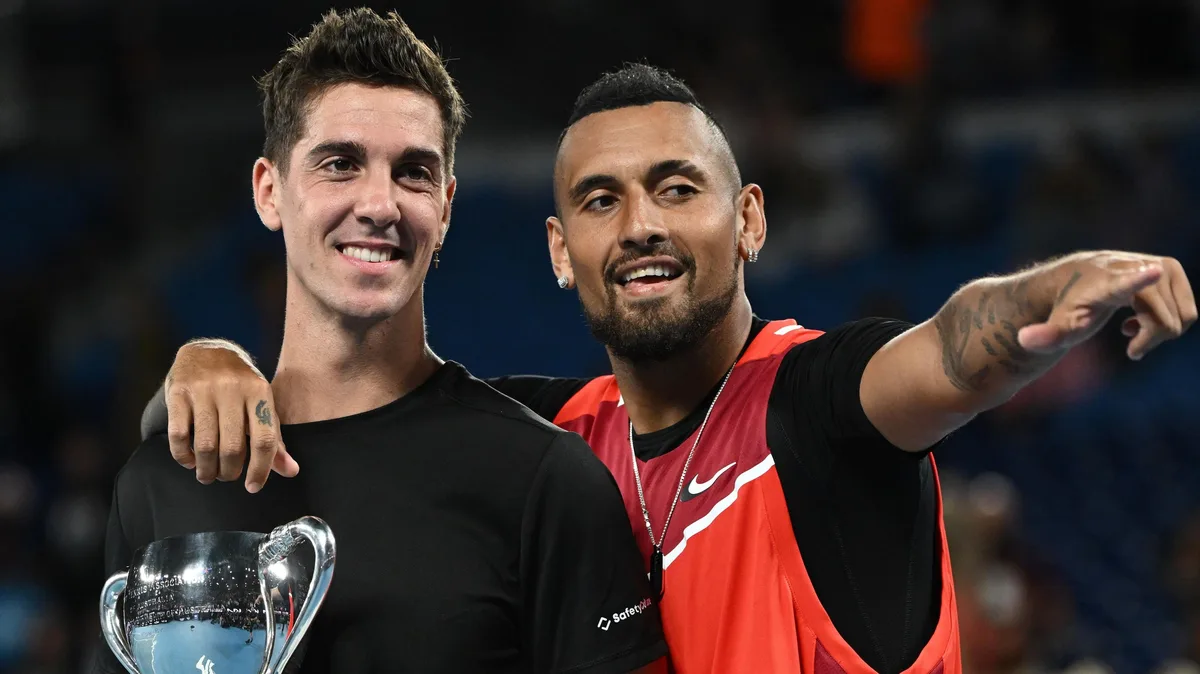
Kyrgios has struggled with knee and wrist injuries in recent years, resulting in few tournament appearances and a current singles ranking as low as No. 919. His career highlights include a peak ATP ranking of No. 13 in 2016 and reaching the Wimbledon final in 2022. He last competed in men's doubles at Wimbledon 2026, losing in the first round with partner Alexander Bublik [1, 7, 8].
As of August 19, Kyrgios had not appealed the provisional suspension. The ITIA’s public announcement followed Kyrgios’ own social media admission, marking the latest development in the case [4, 9, 5].