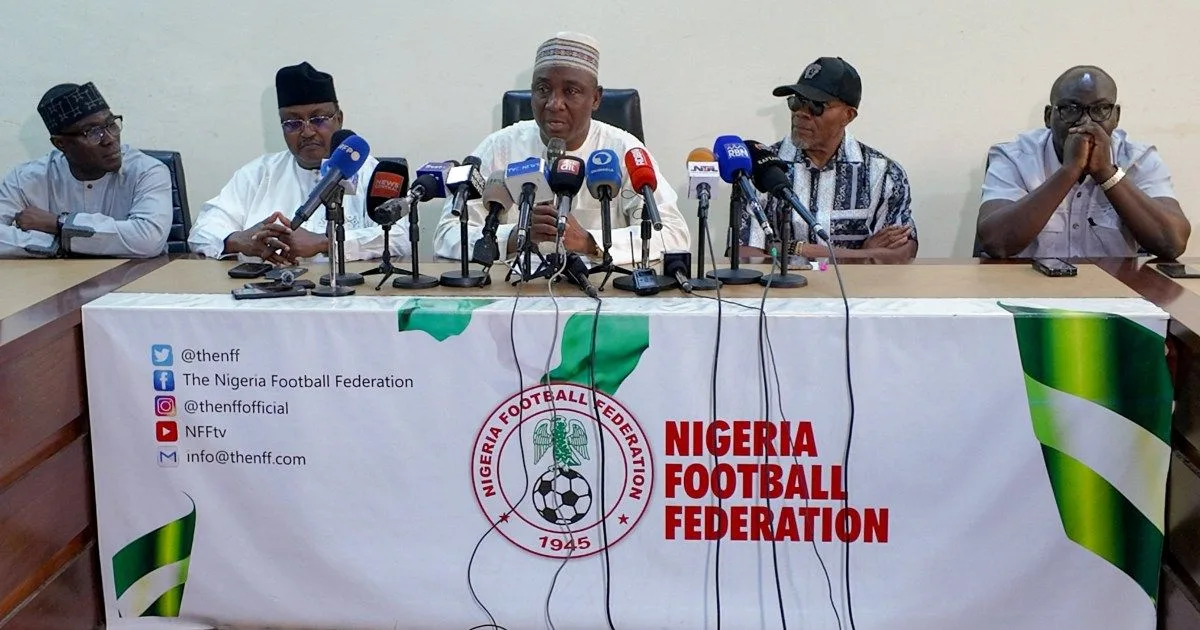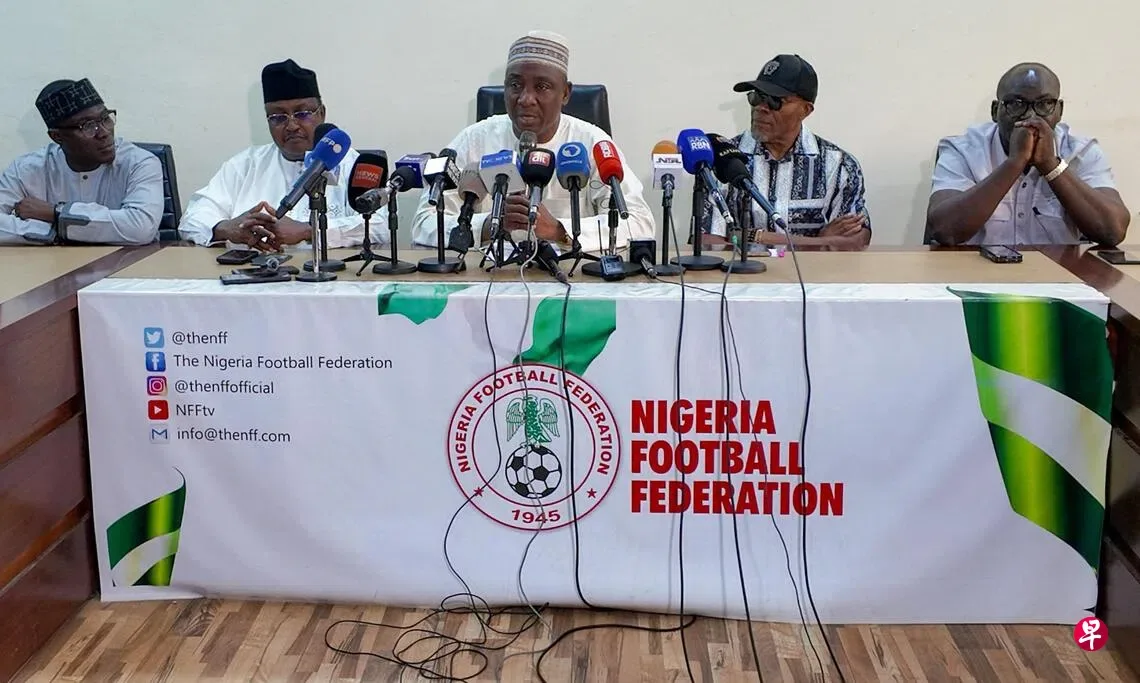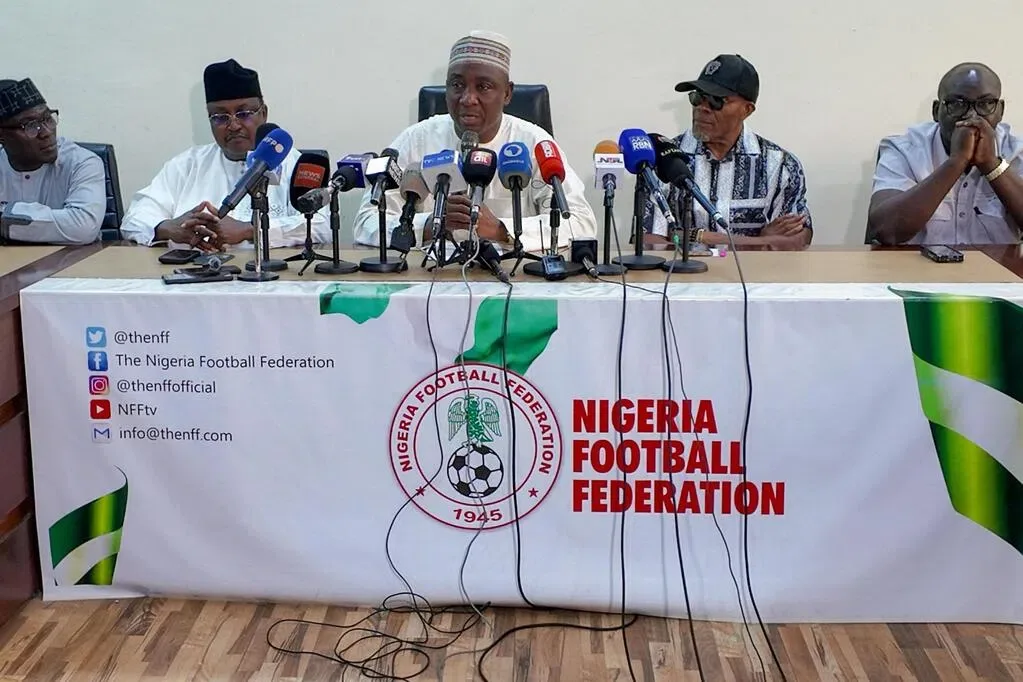
Nigeria Football Federation (NFF) President Ibrahim Musa Gusau, General Secretary Mohammed Sanusi, and multiple executive committee members resigned on August 27, 2026, following a public press conference in Abuja [1, 2, 3, 4].
The resignations came amid sharp criticism after Nigeria's men's team, the Super Eagles, failed to qualify for the 2026 FIFA World Cup, while the women's team, the Super Falcons, lost a playoff to South Africa in early August 2026, ending their streak of nine consecutive Women's World Cup appearances dating back to 1991 [1, 2, 3, 4].
The NFF faces investigation by Nigeria's Department of State Services over alleged misuse of 17 billion naira (approximately $12.7 million) in government funds allocated in 2024 to clear payment backlogs owed to players and officials. The misuse allegations have intensified calls for accountability within the football administration [3, 4].
Despite stepping down, Gusau defended his tenure, attributing the federation's financial troubles to Nigeria's economic hardships and foreign exchange volatility. He said, "I have defended my record and blamed the country’s economic hardship and foreign exchange volatility for the organisation’s financial difficulties" [3].
Gusau also announced a new sponsorship deal with Adidas that will bring $4.5 million annually to Nigeria football, seeking to stabilize finances despite the turmoil [3, 4].
President Bola Tinubu, through media adviser Bayo Onanuga, called for comprehensive reforms, stating, "The reform must respond to a longstanding need to strengthen governance, administration, stakeholder representation, development pathways, domestic competitions, and accountability across Nigerian football" [3].
The NFF has scheduled its next elective congress for September 27, 2026, in Lafia, where new leadership will be selected following the resignations [1, 2, 3, 4].