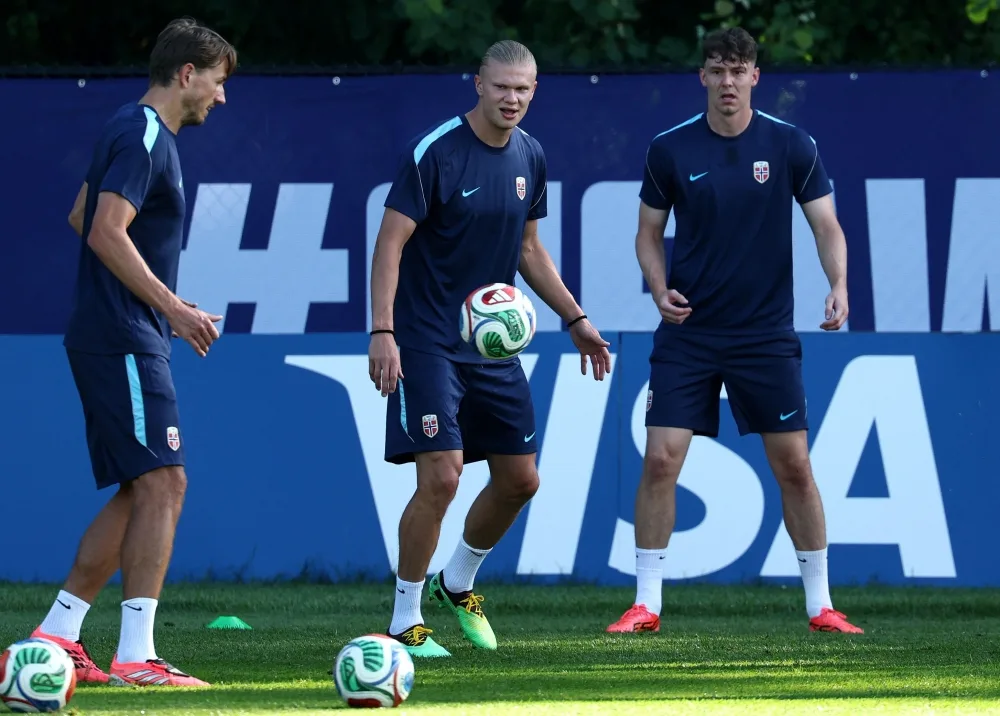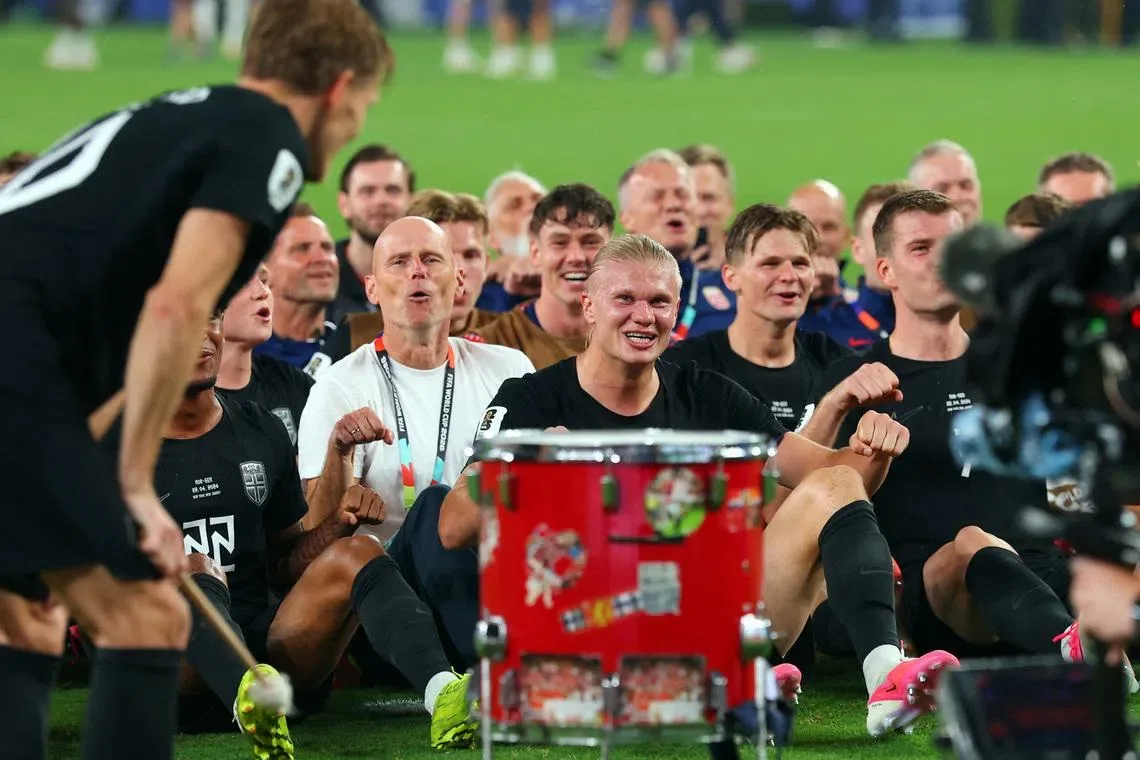
Norway reached the knockout stage of the FIFA World Cup on June 24, marking the country's first appearance at this level in 28 years [1, 2, 3]. The team secured its place with decisive wins, beating Iraq 4-1 and Senegal 3-2 in Group I matches. Erling Haaland scored two goals in each of those matches, playing a key role in Norway’s advancement [1, 2, 3].
The Norwegian Football Federation (NFF) attributes this World Cup success to its unique grassroots football model. The system encourages young players to stay with their local clubs, which are run by volunteer coaches who work without pay. Star players like Haaland and Norway captain Martin Ødegaard were both coached by volunteers throughout their youth until their teenage years [1, 2, 3]. NFF chief Lise Klaveness said, "We don't have professionals in youth football - Erling (Haaland) was coached until he was a teenager by fully voluntary people, they don't get a dime for it, same with Martin (Odegaard, Norway captain), so then we have to pay back to them in some way" [1].
Klaveness explained that Norway’s model seeks to keep young players within dynamic local clubs rather than scouting and relocating them early. "We don't scout and select players in their younger years ... we want them to stay in their local club as long as they can, so that we have dynamic, living, vital clubs everywhere in Norway," she said [2]. She also noted that the current model, based on a broad consensus, combines grassroots clubs with academies, scouting, and national football schools: "It's not my idea - I inherited it. It's a huge consensus that, yes, we have academies, yes, we have scouting, yes, we have a national team football school et cetera, but we try to build quality clubs around the country" [3].
Mark O’Sullivan, Associate Professor of Football at the School of Sports Science in Oslo, said the Norwegian approach is grounded in academic research and best practices, reinforcing its aim for quality club development nationwide [1, 2, 3].
During Norway's 28-year absence from reaching the men's World Cup knockout rounds, the women's national team has continued to perform strongly in international competitions [1, 2, 3].
Norway’s final Group I match took place on June 24, where they faced France after securing their early qualification through the wins over Iraq and Senegal [1, 2, 3]. The team will now prepare for their knockout stage match, scheduled as the next step in the tournament.