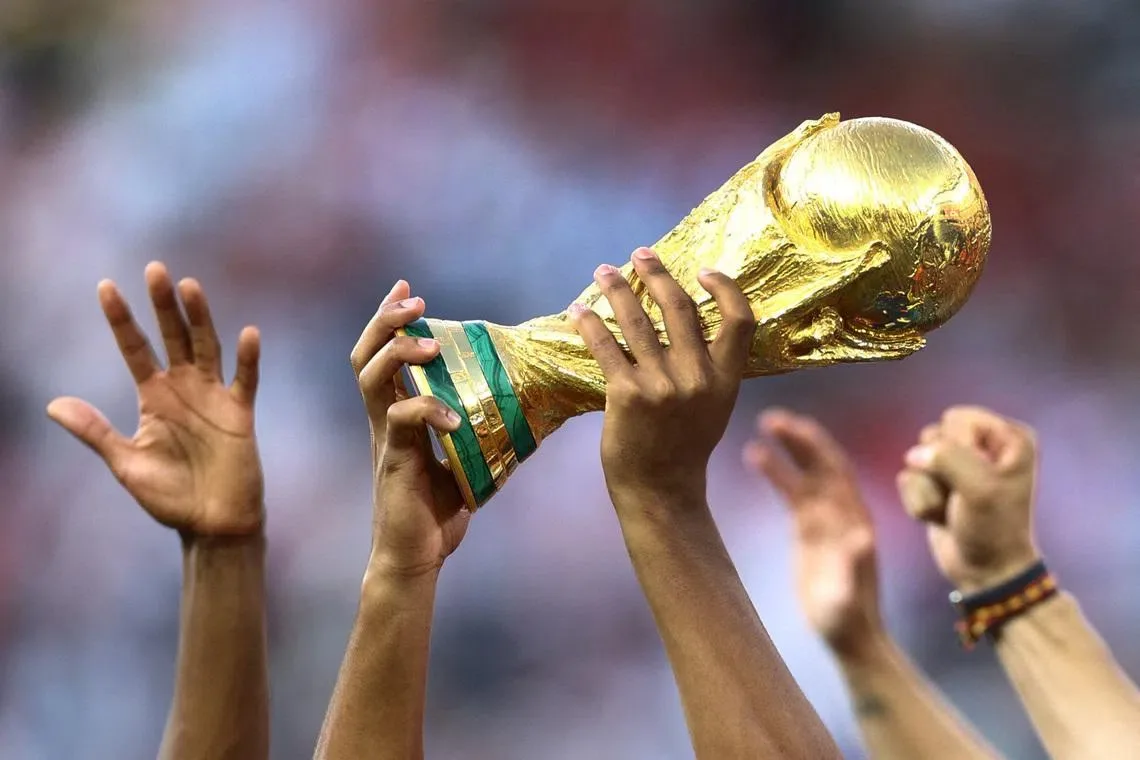
The 2026 FIFA World Cup concluded on July 19 with Spain beating Argentina to win the title for the second time in their history [1, 2, 3]. The tournament was jointly hosted by the United States, Canada, and Mexico, marking the first World Cup held across three countries [1, 2, 3].
The competition expanded to include 48 teams and lasted 39 days, featuring a total of 104 matches [1, 2, 3]. Fans watched as new entrants Cape Verde surprised observers by drawing with Spain and Uruguay and forcing Argentina into extra time [1, 2]. Norway made a strong impact by reaching the quarter-finals for the first time, gaining praise for their "Viking row" style of play [1, 2, 3].
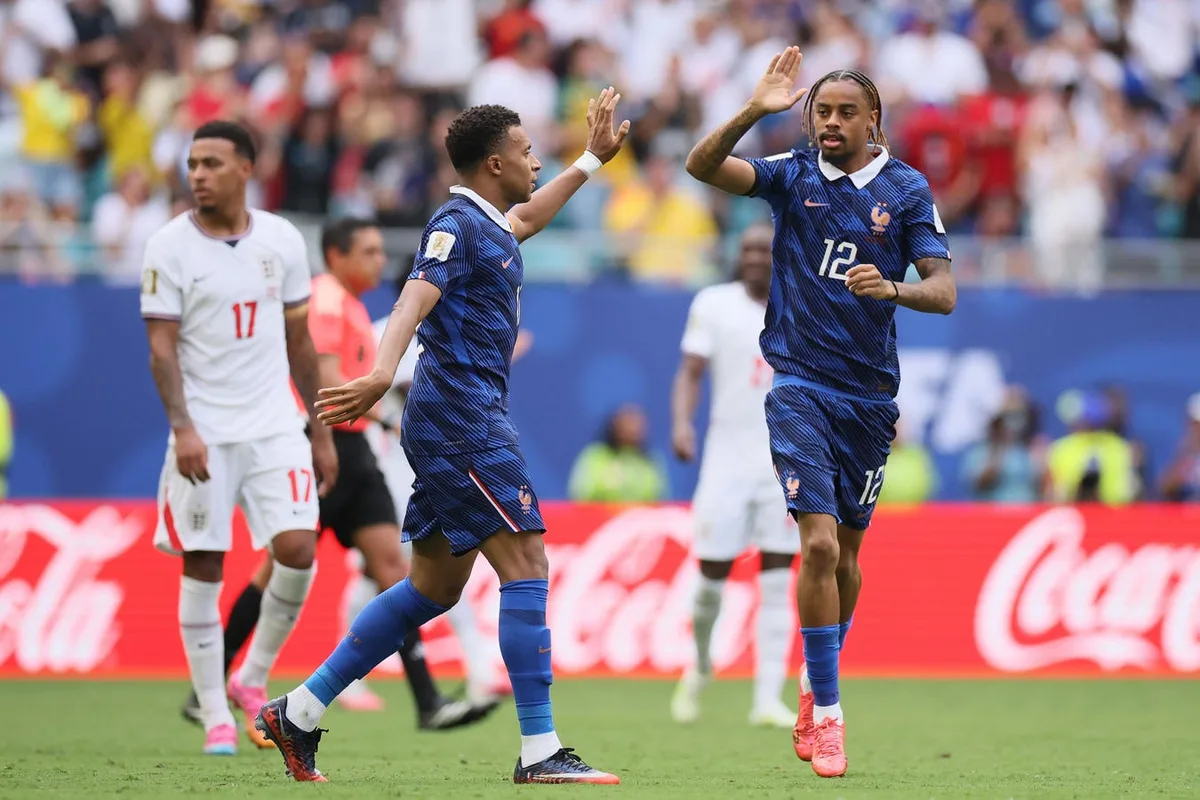
France’s Kylian Mbappé earned the Golden Boot as the tournament’s top scorer, narrowly edging out Argentina’s Lionel Messi [1, 2, 3]. Memorable knockout stage games included a thrilling Round of 16 match where Mexico defeated England 3-2, and a high-scoring third-place match with England beating France 6-4 [3].
The tournament experienced controversies such as political displays, the suspension of a red card ban, visa denials, and criticisms over high ticket prices [1, 2]. Hydration breaks were introduced due to extreme heat; these breaks received mixed reactions from fans [1, 2].
Host cities embraced the event with vibrant cultural festivities, earning the nickname the "Great American Sleepover" for the welcoming atmosphere extended to fans from around the world [1, 2].
Looking ahead, the 2030 FIFA World Cup will be hosted primarily by Morocco, Portugal, and Spain, with opening matches scheduled in Argentina, Paraguay, and Uruguay [3].