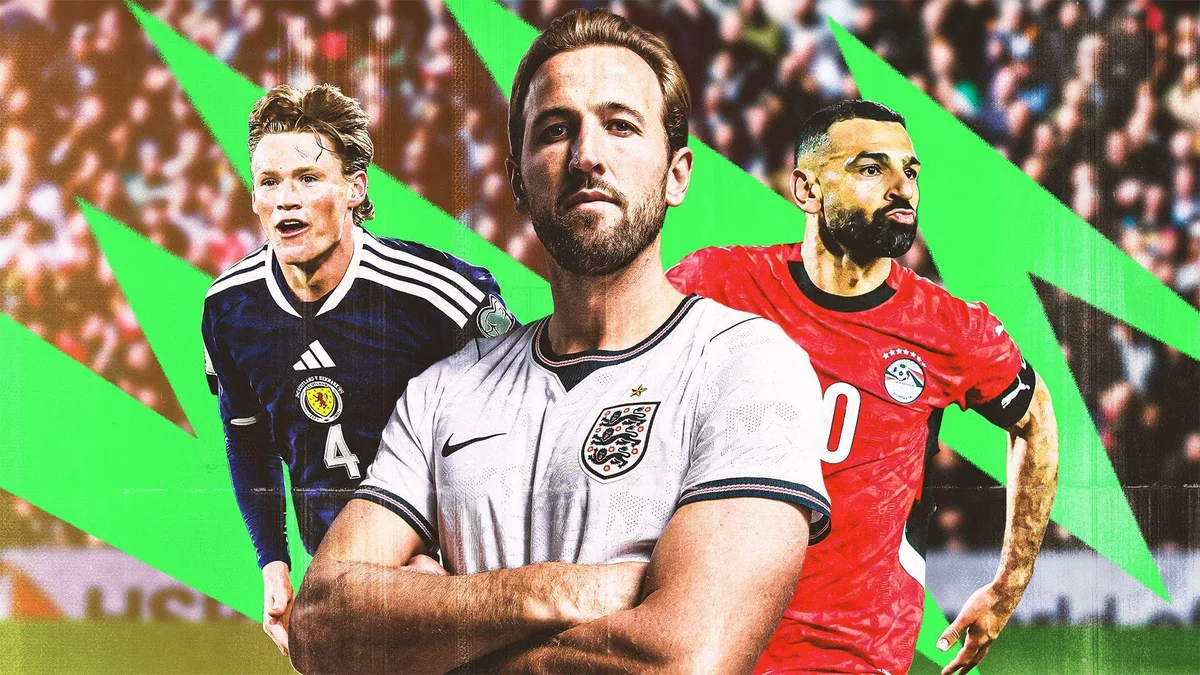
The 2026 FIFA World Cup, the first held across three countries—USA, Mexico, and Canada—with an expanded 48-team format, completed its opening round of group matches on June 17, 2026 [1, 2, 3, 4, 5]. There have been 75 goals scored in the tournament’s first week of play [6].
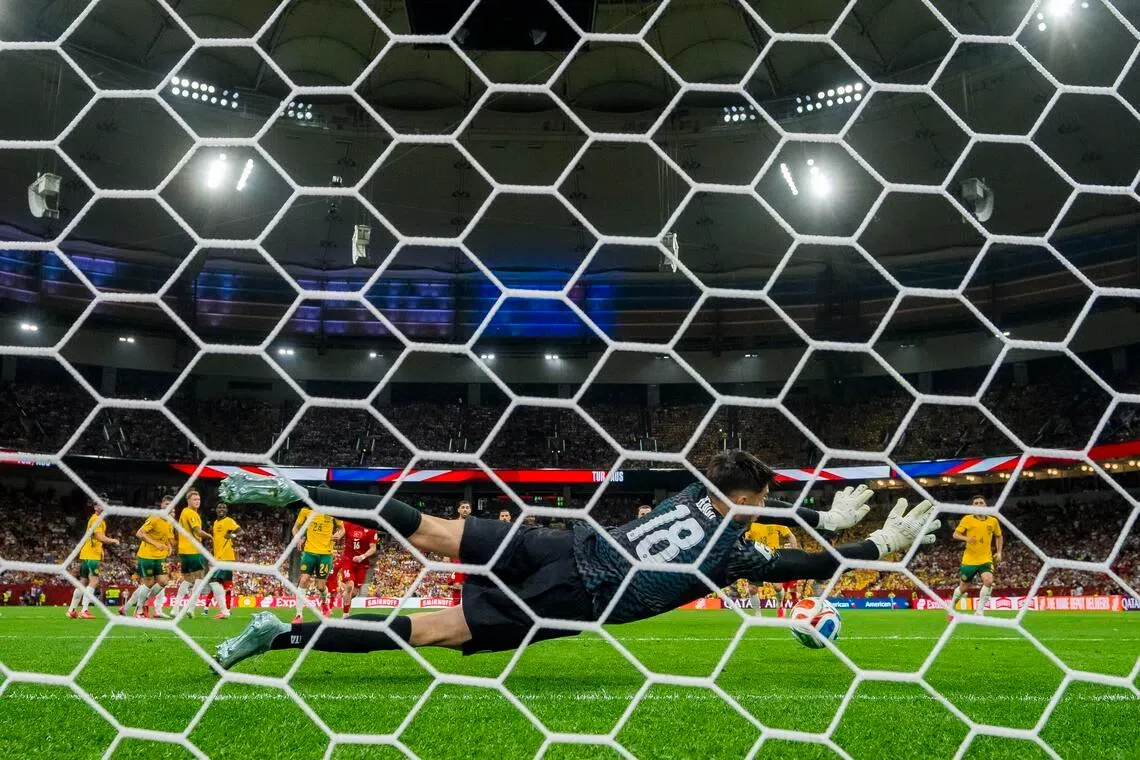
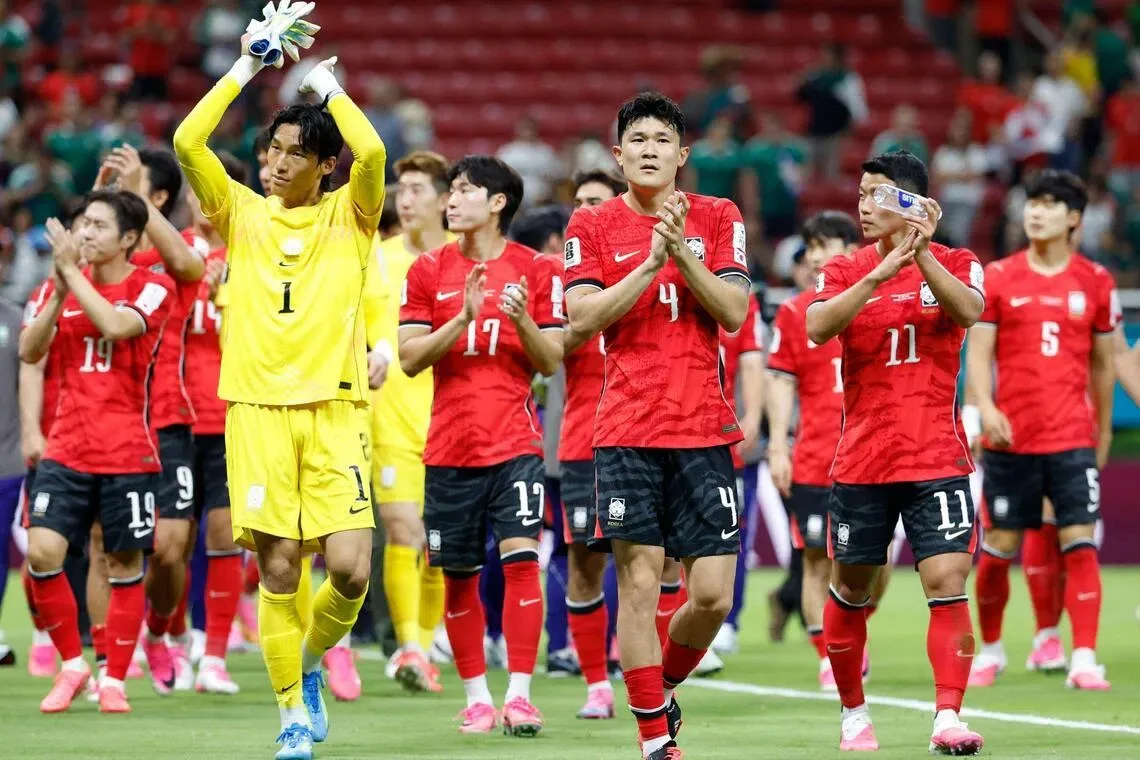
Asian teams have been among the standout performers in the early stages. Nine Asian Football Confederation teams qualified—a record number—and six avoided defeat while all scoring [1, 2, 3, 4]. Notable results include South Korea's 2-1 comeback win over the Czech Republic, Australia's 2-0 victory over Turkey, and draws for Japan (2-2 with the Netherlands), Iran (2-2 with New Zealand), Saudi Arabia (1-1 with Uruguay), and Qatar (1-1 with Switzerland) [1, 2, 3, 4].
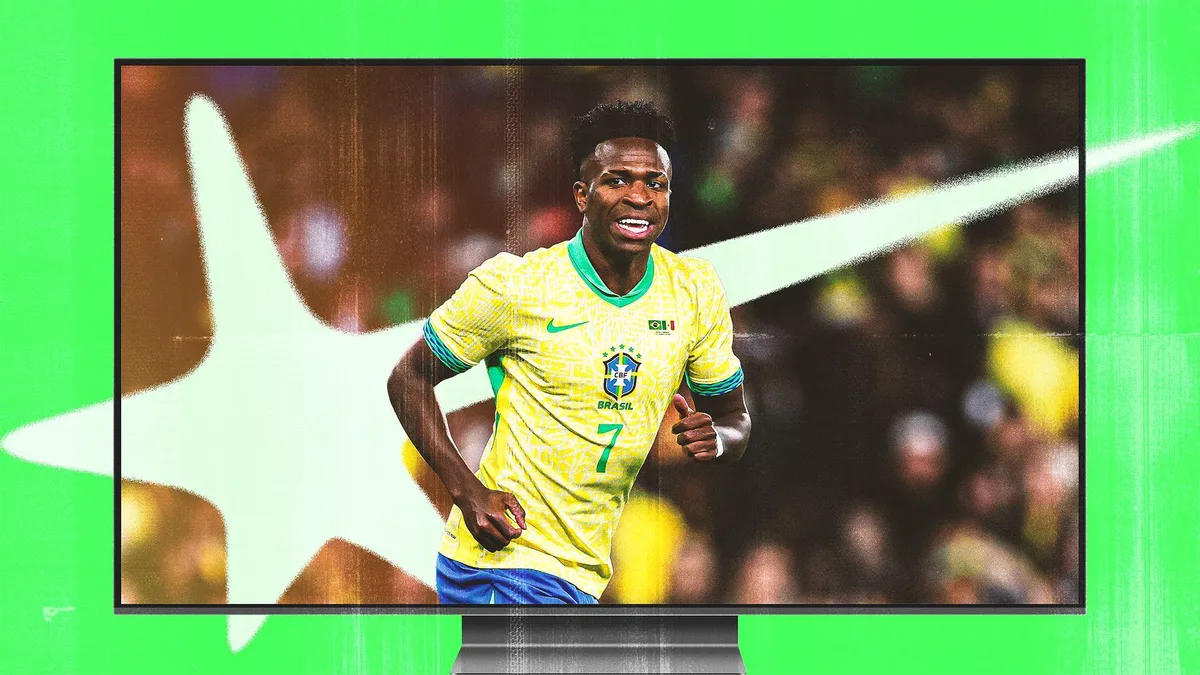
South American teams began slower than expected, with only Argentina and Colombia tallying wins in their first matches [1, 2, 3, 4]. Brazil held Morocco to a 1-1 draw, Uruguay drew 1-1 with Saudi Arabia, and Paraguay suffered a heavy 4-1 defeat to the USA [1, 2, 3, 4, 5]. The USA’s 4-1 win over Paraguay marked their highest-ever World Cup match score, a sign of the host nation's strong start [6, 5].
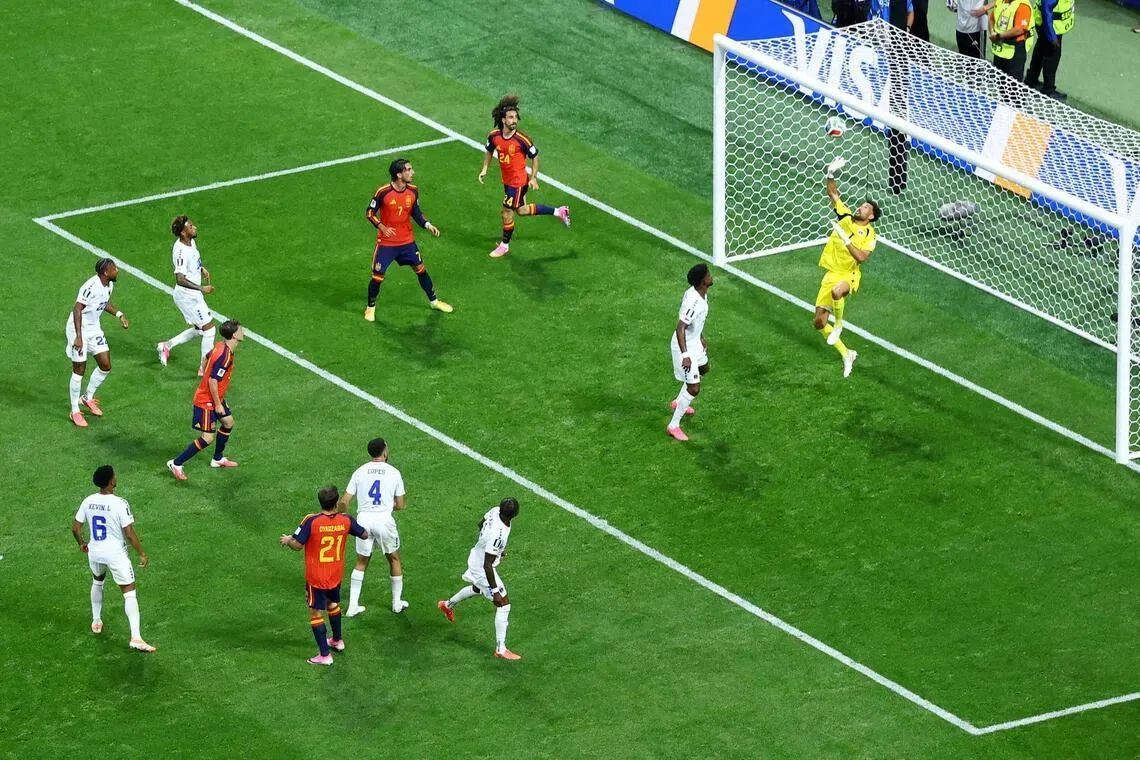
Cape Verde, the third-smallest nation to ever qualify for the World Cup, made headlines by holding Spain to a scoreless draw—one of the biggest surprises of the tournament so far [6, 5].
Star players have also made their mark: Kylian Mbappe scored twice to become France’s all-time top World Cup goalscorer, while Lionel Messi netted a hat-trick to tie the all-time World Cup scoring record [1, 2, 3, 4, 5].
The expanded 48-team format has drawn mixed attention. Emma Hayes, USA women’s manager, remarked, “There has been a lot of the talk about the expansion, but you can see it is bringing out the best in teams.” [6]
A record number of over-40 players are performing well, adding experience to the tournament’s youthful energy [1, 2, 3, 4]. However, there has been an unusual increase in own goals combined with a notable lack of direct free-kick goals, a statistical oddity in the attacking play [1, 2, 3, 4].
The tournament opened on June 11 at Estadio Azteca in Mexico City and will continue through multiple venues across the three host nations [5]. The group stage concluded on June 17 [1, 2, 3, 4]. The next phase will see knockout matches begin as teams vie for progression in the expanded 104-match schedule [6].