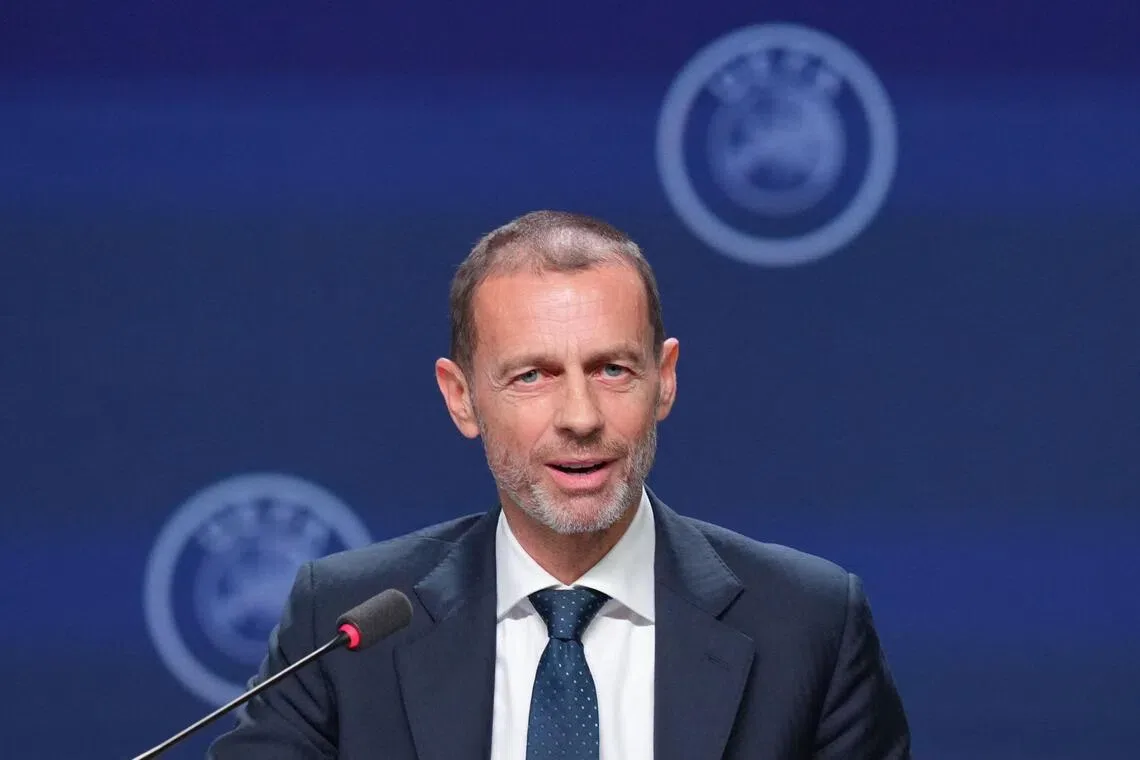
UEFA president Aleksander Ceferin, 58, spearheaded opposition against FIFA president Gianni Infantino after FIFA abandoned plans to bring private investors into future World Cups on August 1, 2026, following a threat by UEFA to boycott the tournament [1, 2]. Ceferin boycotted the July 2026 World Cup final to protest FIFA’s disciplinary decisions, including the reversal of a ban on US striker Folarin Balogun after a controversial red card [1, 2].
Ceferin told Politico in September 2025 he does not intend to run for the FIFA presidency in the March 2027 election, saying, "You should choose your battles. You should fight when it’s really a reason to fight, but every fight is tiring" [1]. Football marketing strategist Terrence Burns praised Ceferin's approach, noting UEFA’s collective stance and credible boycott threat without personal grandstanding from Ceferin himself [1].
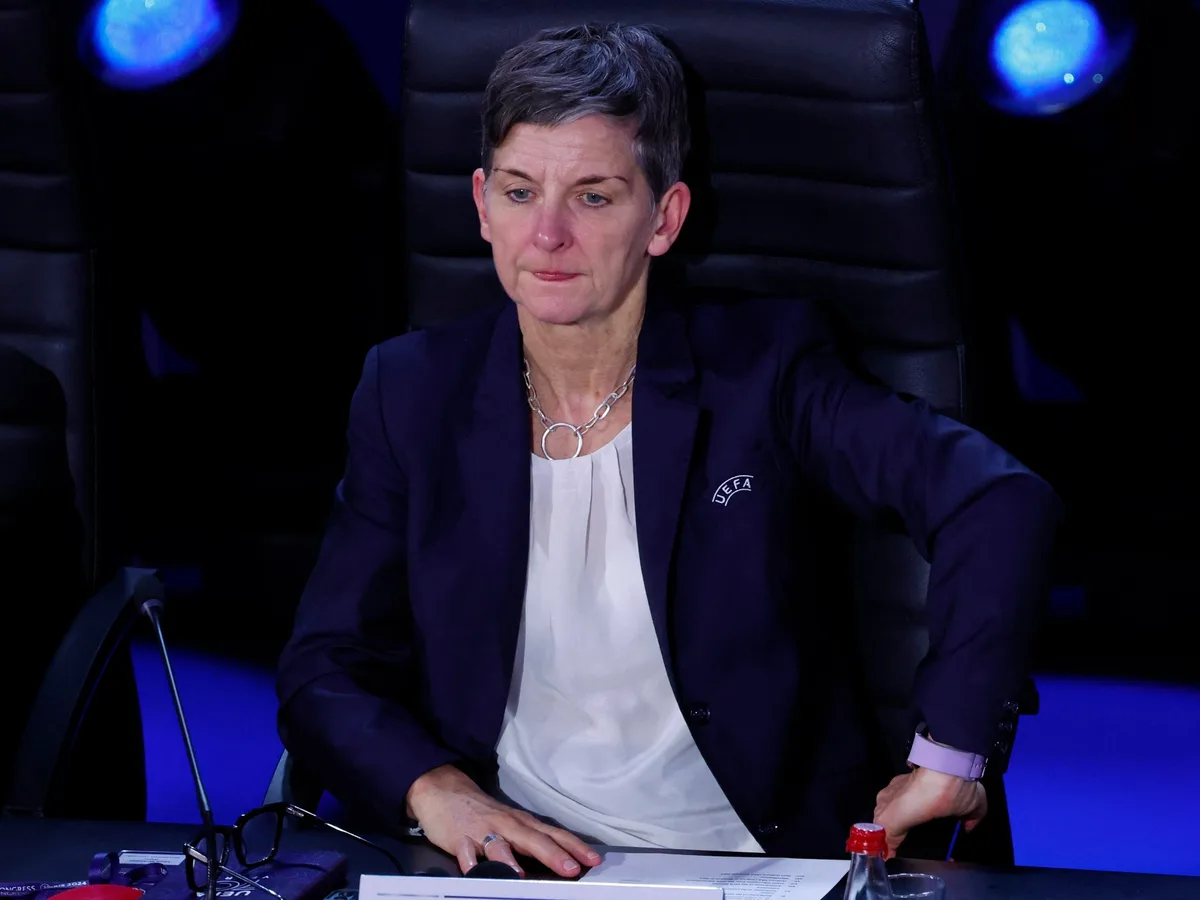
UEFA vice-president Laura McAllister emphasized that the next FIFA leader must be a "custodian of the sport" capable of uniting football globally, calling for major governance reforms to democratize football beyond fiefdoms or individuals [3, 4]. McAllister said, "The right candidate has to also have the right level of support. There’s so much politics around this. There’s such an imperative to get a candidate who could unite the whole world of football, not just Europe in this case" [3]. She added that football "doesn’t belong to any one of those constituents. It’s as much for girls as it is for boys. It should reach every corner of the world, in the poorest countries as well as the globally rich" [4].
On August 5, 2026, FIFA executives held a meeting in Rabat, where they reaffirmed support for Infantino, apologized for errors in the World Cup investment plan, and promised a review of governance processes [3, 4]. FIFA’s 211 member associations remain a key part of the complex political landscape around the 2027 presidential election [3, 4]. McAllister noted that any credible challenger to Infantino would need broad international backing, not simply European support [3].
The conflict marks a high-profile chapter in ongoing tensions over FIFA’s leadership and direction ahead of the March 2027 FIFA presidential vote [1, 3, 2, 4].