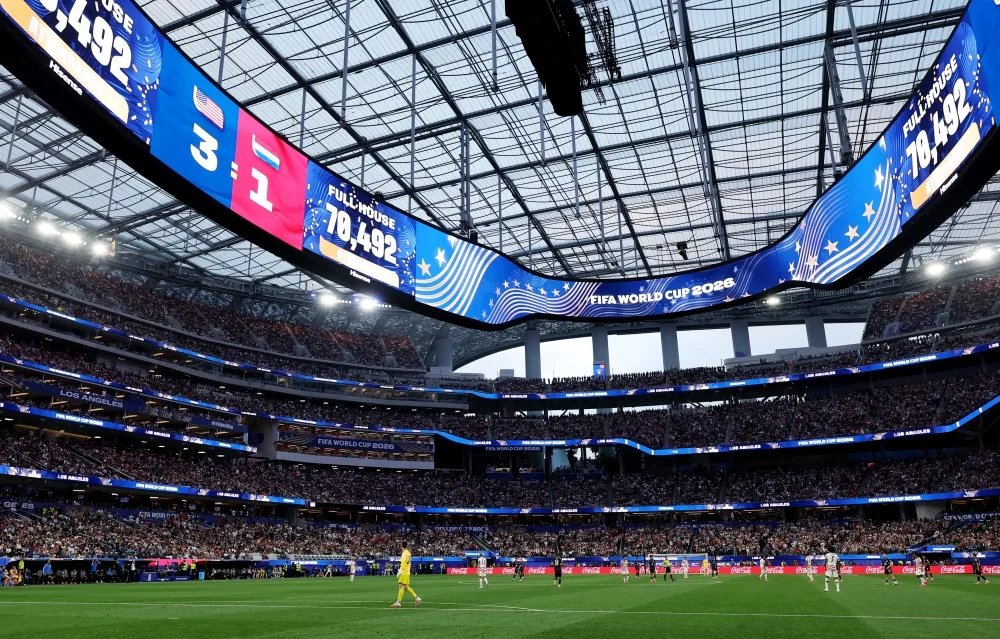
The risk that a traveler infected with Ebola could arrive in the US during the 2026 World Cup is low but not zero, according to health authorities [1, 2, 3, 4]. More than 6.5 million fans are expected to travel across North America during the 39-day tournament, which features 104 matches across the US, Mexico, and Canada [1, 2, 3, 4].
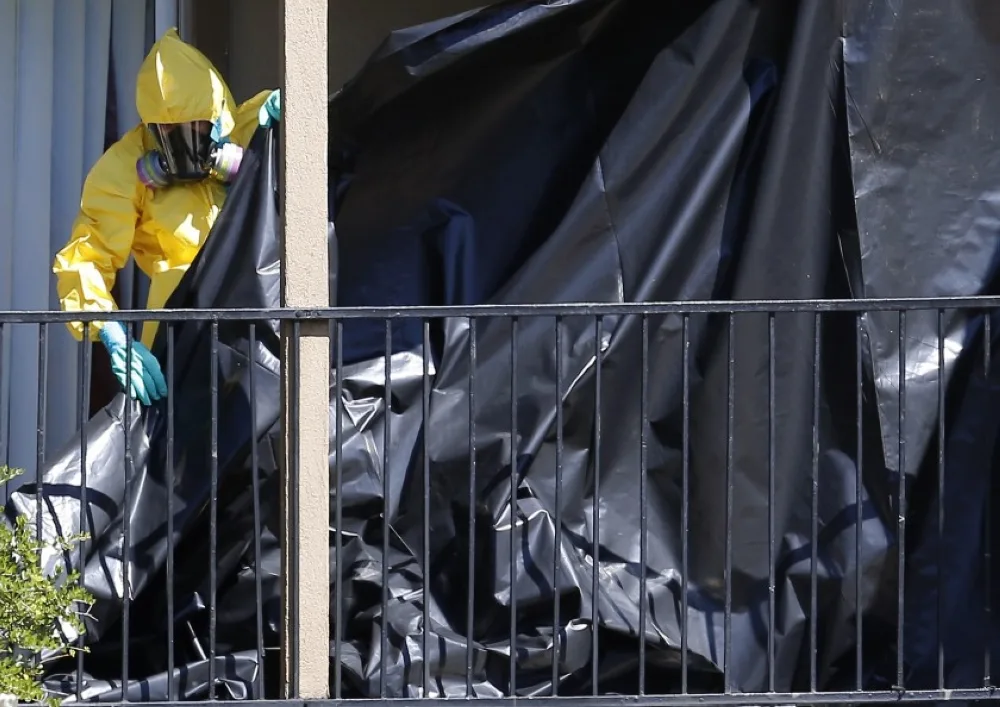
US hospitals are prepared to respond if an Ebola case is identified during the World Cup, with 13 specialized treatment centers established to handle suspected Ebola cases [1, 2, 3, 4]. The US allocated about $260 million for Ebola preparedness, ramping up efforts after the 2014 West African outbreak. That outbreak was marked by a patient initially turned away at a Dallas hospital and two nurses becoming infected [1, 2, 3, 4].
"We’re not going to be able to prevent 100 per cent of infections, but we certainly are the most prepared that we have ever been," Dr Gavin Harris said [1].
The US preparedness program started in 2015 through collaborations between Emory University, University of Nebraska Medical Center, and NYC Health + Hospitals/Bellevue [1, 2, 4]. Experts emphasize that Ebola is not airborne and requires direct contact with the body fluids of a symptomatic person, limiting transmission risk [1, 2, 3, 4].
The ongoing Ebola outbreak in the Democratic Republic of Congo has infected more than 675 people and caused over 135 deaths. Health officials say stopping the outbreak at its source is critical to reducing risks [1, 2, 3, 4].
"The risk of Ebola to anyone at the World Cup is extremely low. Ebola isn’t airborne and doesn’t spread through casual contact – it requires direct contact with the body fluids of someone who is ill," Dr Tom Frieden said. "But low isn’t zero, and it won’t be zero until the outbreak is stopped at its source in DRC" [1].
The 2026 FIFA World Cup kicked off on June 7, and infections such as measles, Covid-19, and influenza currently pose bigger infectious disease threats to the host countries than Ebola, according to CDC, PAHO, and WHO classifications [1, 2, 3, 4].