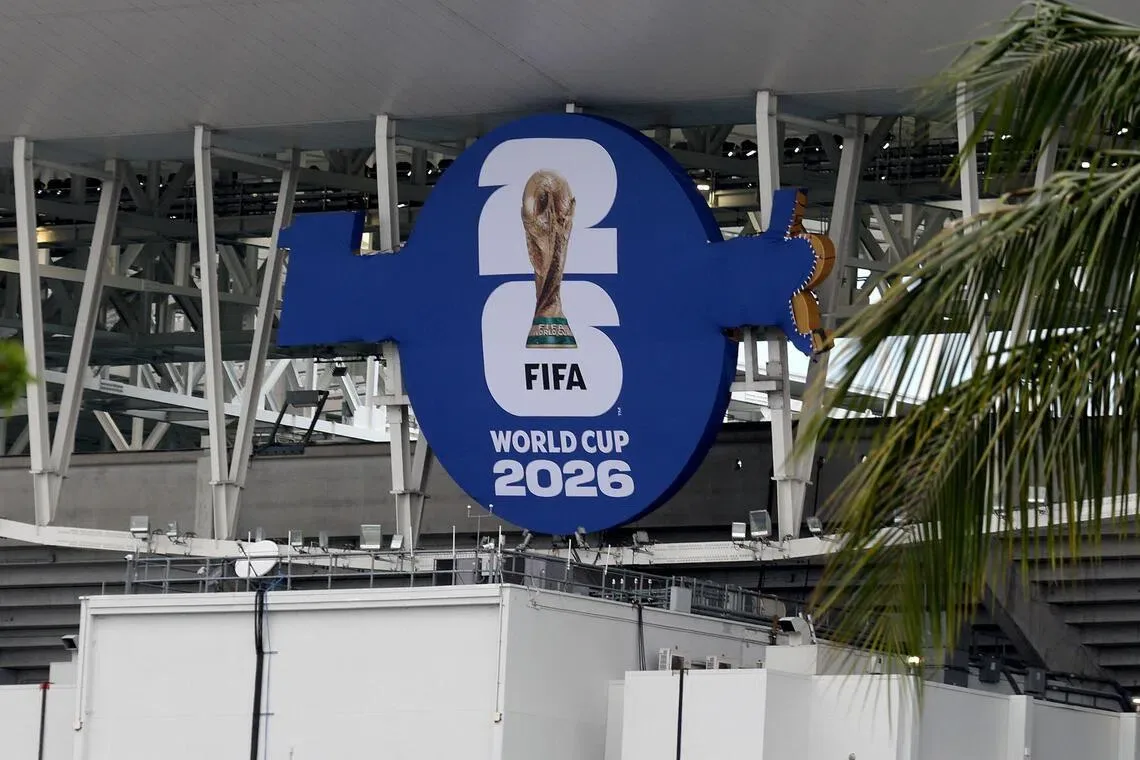
The 2026 World Cup will be played across 16 host cities in the United States, Canada, and Mexico, many facing high summer heat and humidity that could challenge players and fans alike [1, 2]. Frequent wildfires in Canada and California may also pose air quality risks during the tournament [1, 2].
Summer thunderstorms and lightning are common in the US and often lead to interruptions of outdoor sports events. Safety protocols require a mandatory 30-minute delay after any lightning strikes within an 8 to 16 kilometer radius [1, 2]. The 2025 Club World Cup, considered a test run for 2026, saw six matches significantly delayed due to severe weather, highlighting the operational challenges [1, 2].
Chelsea manager Enzo Maresca criticized the delays at the Club World Cup as disruptive and questioned whether certain American cities should host major tournament games, describing the situation as a "joke" [1].
Lightning strikes, though rare, cause real danger. Between 2006 and 2021, 444 people died in the US from lightning, mostly during outdoor leisure activities, with the highest risk east of the Rocky Mountains [1, 2]. Scientists are warning that climate change may increase lightning flash rates. Researcher Kelsey Malloy said, "we haven’t really detected strong trends yet but overall it is expected that lightning is going to increase" due to "heavier rainfall rates as well as stronger rising air [that] equals greater electrification of clouds, and therefore greater lightning flash rates" [1].
Improvements in severe weather forecasting offer better warnings, and fans are urged to follow risk alerts and match delay protocols carefully [1, 2].
Preparations for weather disruptions continue as the tournament approaches, with organizers monitoring conditions and updating guidelines to protect players and spectators.