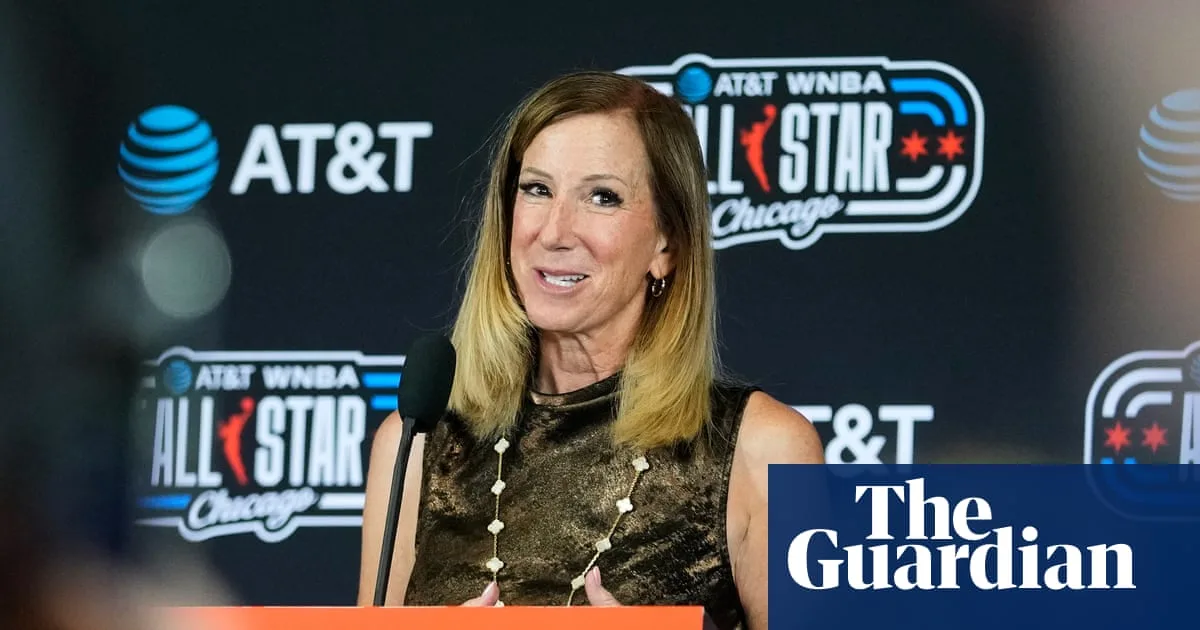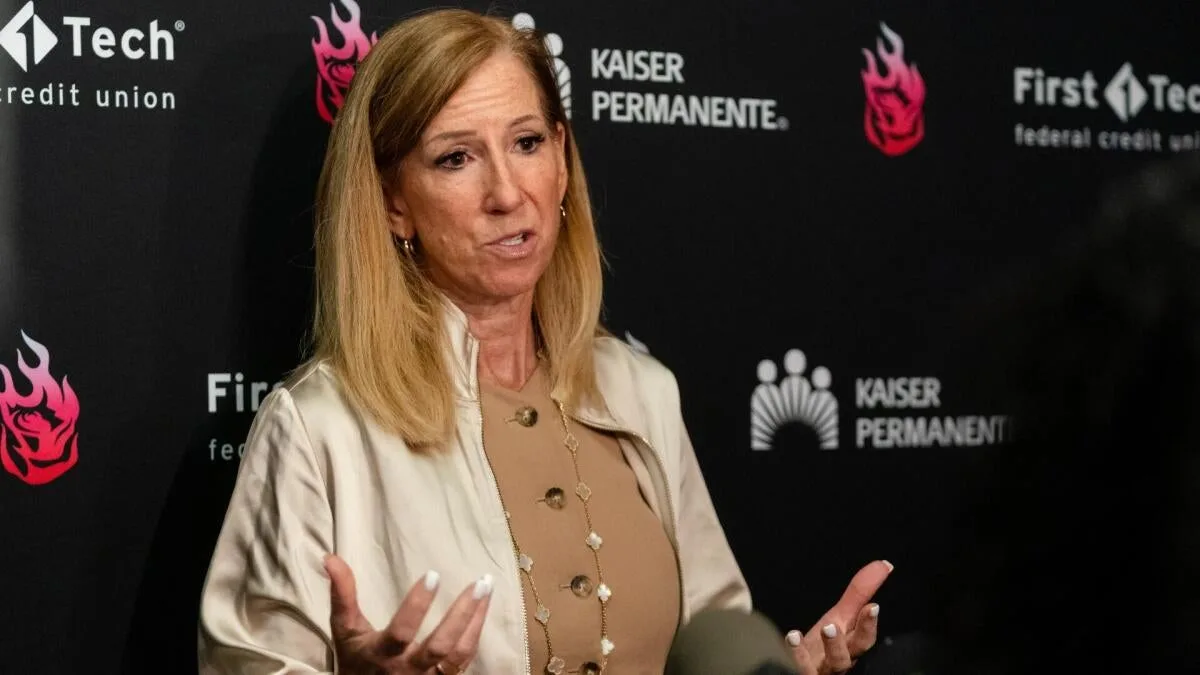
The WNBA is engaged in ongoing discussions about transgender athlete participation following public debate and political reactions this summer. WNBA Commissioner Cathy Engelbert sent a memo on August 7 addressing the issue, saying the league will continue thoughtful conversations with teams and the Player’s Association. She noted, "I know many of you have received questions in recent weeks regarding transgender athlete participation in women’s basketball... We recognize that this is a complex and nuanced topic, and we will continue to have important conversations... in the weeks and months ahead" [1, 2].
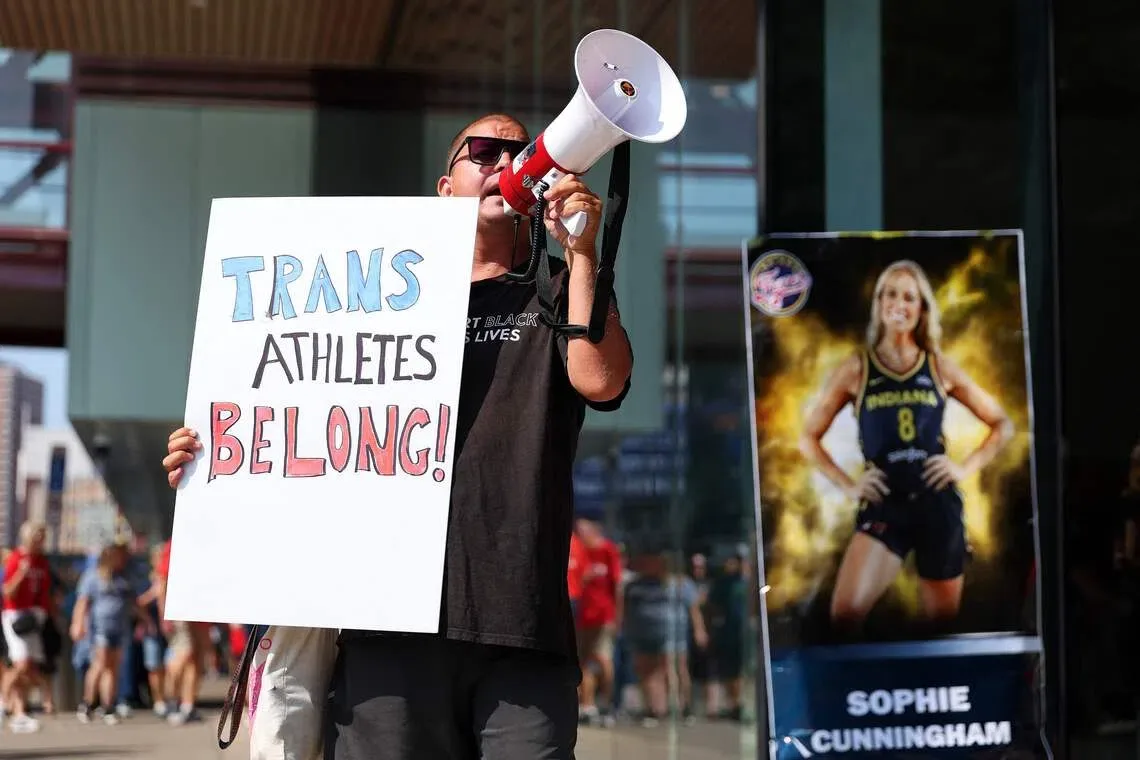
The topic gained prominence in July when Indiana Fever guard Sophie Cunningham publicly stated transgender women should not compete in women’s sports. Cunningham said, "I want to protect young girls in a locker room, or young girls in sport who shouldn’t have to go against biological men" [3]. Her comments sparked protests both supporting and opposing her position, and drew political backing from figures including former President Donald Trump and Vice President J.D. Vance [3, 1, 2].
Meanwhile, other players and coaches openly backed transgender inclusion. WNBA All-Star Gabby Williams said, "There’s a lot of discourse around trans athletes... I would welcome a trans athlete on my team or against my team any time" and called opposition to trans athletes "just another way to kind of attack trans people" [3]. Coaches Stephanie White, Cheryl Reeve, and Natalie Nakase have also voiced support for trans inclusion [3, 4, 2].
The WNBA Player’s Association (WNBPA), representing more than 200 individuals, emphasized the union values diversity, equity, and inclusion while opposing hate or demonization of any group. The union stated, "Hate, abuse, and demonisation of any person or group of people, including transgender people, only fuel fear, division, and harm... We will continue to have hard conversations. But we will not be used as political pawns" [3, 4, 2]. The WNBPA has urged fans to report abusive behavior online and at games, and called on elected officials to strengthen Title IX protections [3, 2].
WNBA rules state only players who are women are eligible to compete, but do not explicitly define gender identity or sex assigned at birth in eligibility criteria [1, 2]. Notably, former NBA players Enes Kanter Freedom and Royce White have declared themselves eligible for the WNBA draft, stating they identify as women [1].
Small protests have taken place in cities including Seattle, Portland, and at an Indiana Fever home game, reflecting the intense public reaction to the debate [1].
The league has scheduled a meeting with team presidents and general managers for the week of August 10 to address the issue further and determine policy direction [1, 2]. This meeting marks the next key step in the WNBA’s efforts to clarify eligibility and inclusivity policies amid contrasting views within the league and its fan base.