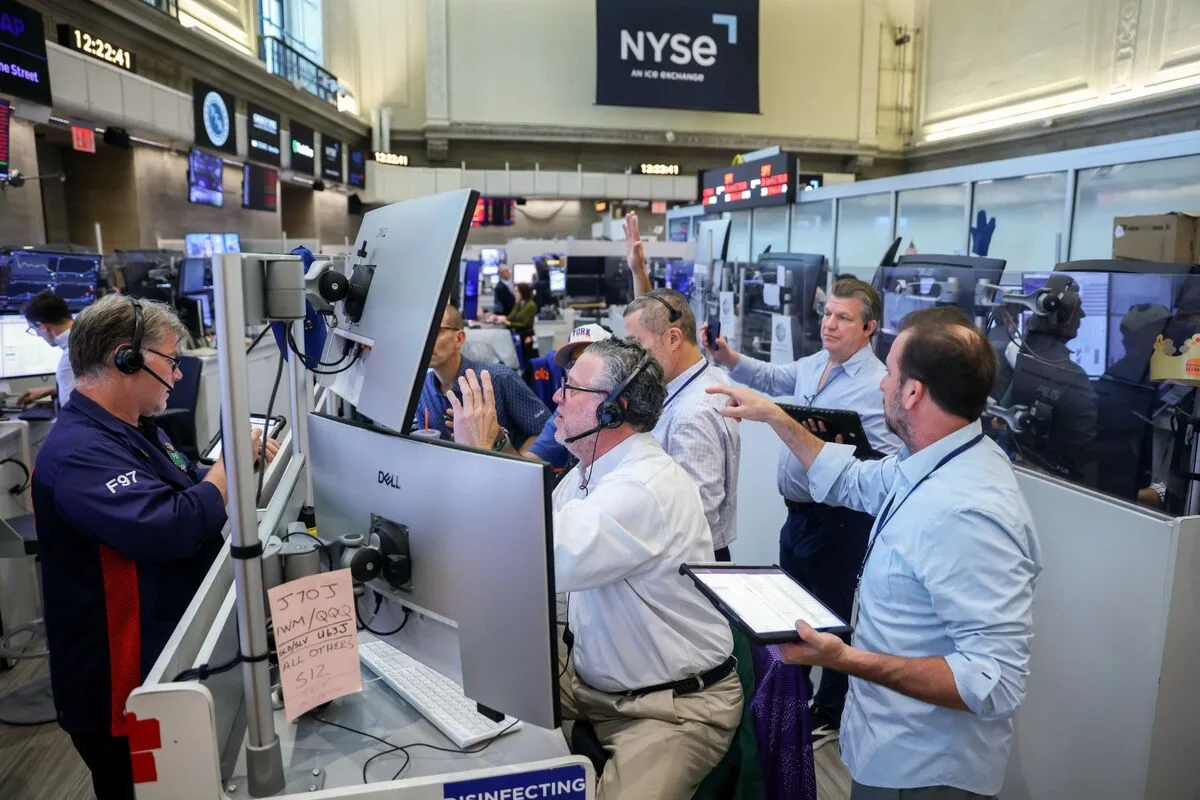
Global technology stocks faced a sharp sell-off starting June 5, driven by worries about overheating in the AI trade, pushing the Nasdaq 100 and S&P 500 indexes down sharply [1]. The decline spread to Asia, where South Korea’s Kospi Index tumbled on June 8 after investors retreated from AI-related equities [2].
Wells Fargo analyst Ohsung Kwon called the sell-off a "wake-up call," noting the recent surge in AI stocks was a "sugar rush" likely over. He said the drop was due to positioning rather than fundamental weaknesses and expects a slower rally ahead rather than a prolonged market downturn: "The selloff was positioning-led rather than fundamental and will likely mean a slower rally, not the start of a sustained retreat" [1].
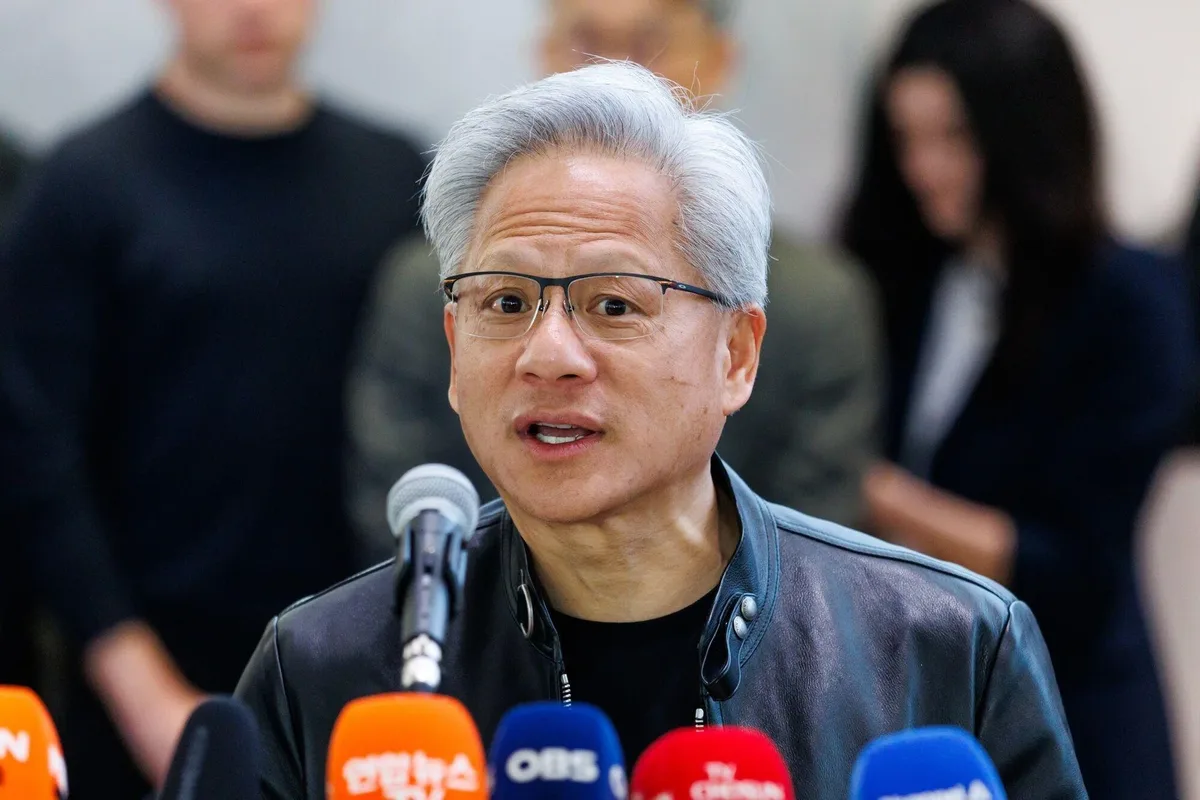
Contrasting Kwon’s caution, Nvidia CEO Jensen Huang described the sell-off as a buying opportunity. Huang said the AI-driven technology buildout has only just begun and compared AI to the internet as a global infrastructure: "We’re at the beginning of it, and whatever happened to the stock market, you should be very happy because now you can buy at a discount. Everybody should be very excited." He added, "It is a foregone conclusion that AI will be infrastructure for the world, just like the Internet was infrastructure for the world" [2].
Amid market jitters, Nvidia announced on June 8 a multi-year partnership with South Korea’s SK Hynix to develop AI memory chips, signaling continued investment in AI hardware innovation [2]. South Korean President Lee Jae-myung also emphasized confidence in the local market by stating, "I believe the domestic market remains undervalued," despite the recent sell-off [2].
The initial sell-off phase from June 5 to June 8 saw broad declines in major indexes globally as investors adjusted their AI exposure. The Nasdaq 100 and S&P 500 led the slide, followed by Asia’s Kospi downturn [1, 2]. The Nvidia-SK Hynix agreement and presidential remarks mark concrete steps amid volatility.
Market watchers will be closely monitoring how AI investment sentiment evolves after the June sell-off, including Nvidia’s chip partnership progress and regional market valuations.