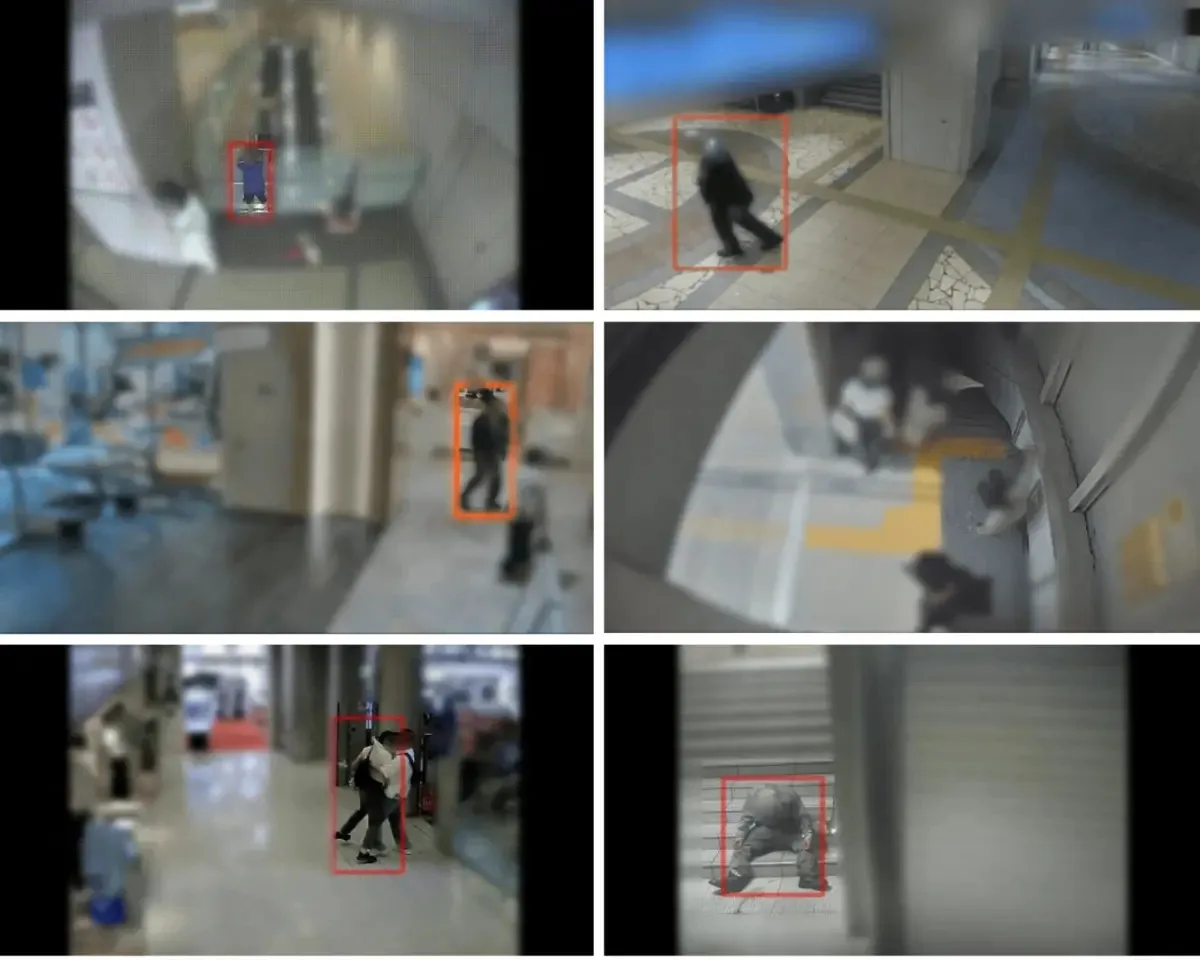
About 40 stations and commercial facilities across Japan have introduced an AI system designed to detect behavior indicating a risk of suicide, such as pacing near platform edges or lingering on rooftops, company Asilla said [1, 2, 3, 4]. The system analyzes live security camera footage to identify these behaviors and immediately notifies security guards and station employees to intervene.
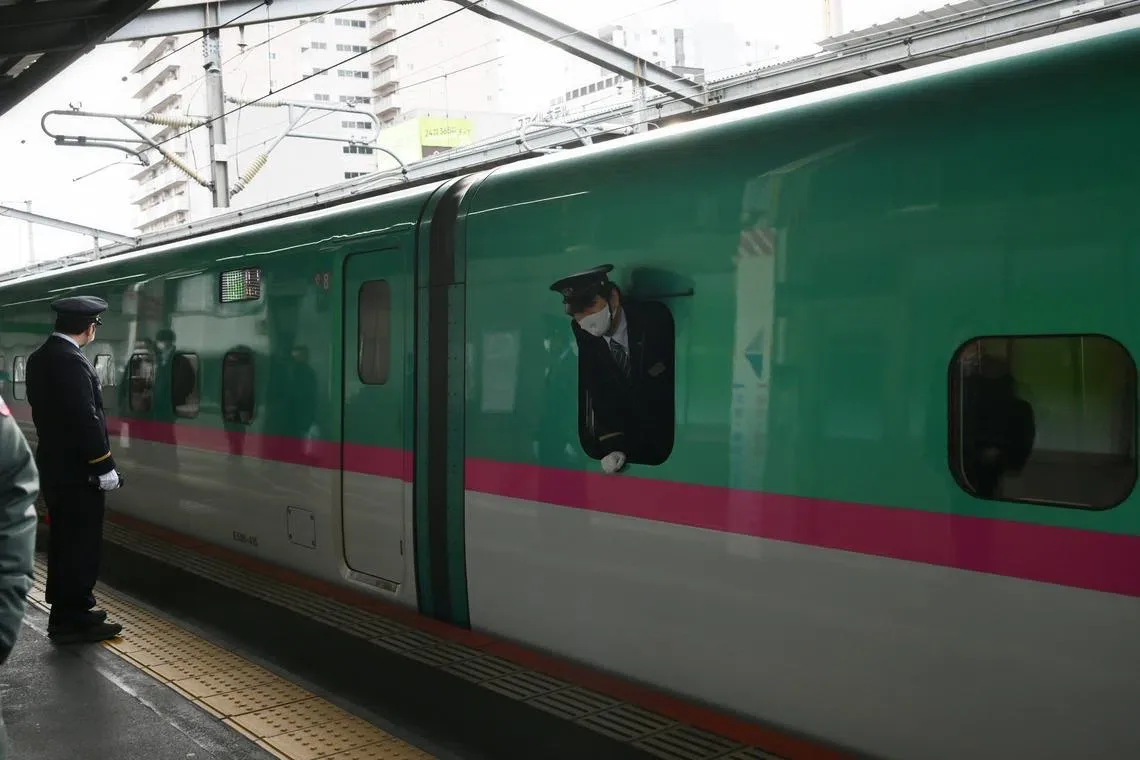
The AI system was developed by Tokyo-based technology company Asilla, which began collaborating with around 200 commercial facilities and other entities in 2022 to train the AI using roughly 7 million segments of security camera footage [1, 2, 3, 4]. It is now installed in approximately 30 commercial buildings and 10 train stations in Tokyo and Kanagawa Prefecture [3, 4]. Some sites use loudspeakers to issue warnings when suspicious behavior is detected.
Asilla explained, "The system analyzes behaviors such as pacing or lingering near platform edges or rooftops and alerts security guards and station staff to prevent suicides" [1]. Beyond suicide risk, the AI can also detect signs of illness, immobility, and violent behavior [1, 2, 3, 4].
The system has helped save at least two lives so far. One case involved guards responding to a man detected in a restricted area planning to take his life. Another involved a child found lingering by a railing while writing a suicide note [1, 2, 3, 4].
Privacy advocates have raised concerns about potential misidentifications and the balance between safety and personal rights when using AI in public surveillance cameras, a challenge that remains under discussion [2].
The ongoing deployment follows years of training and testing, with the AI system operational at multiple key locations by June 2026 [1, 2, 3, 4].