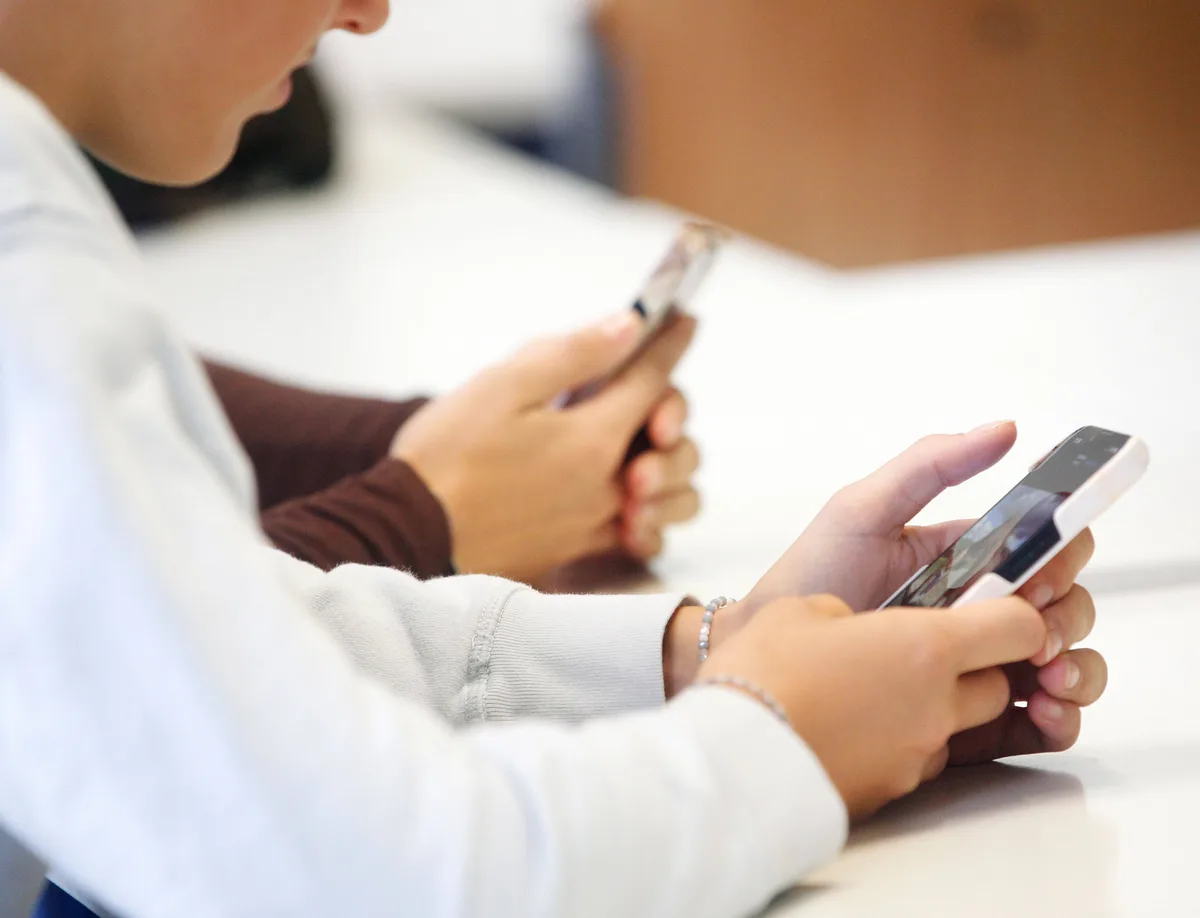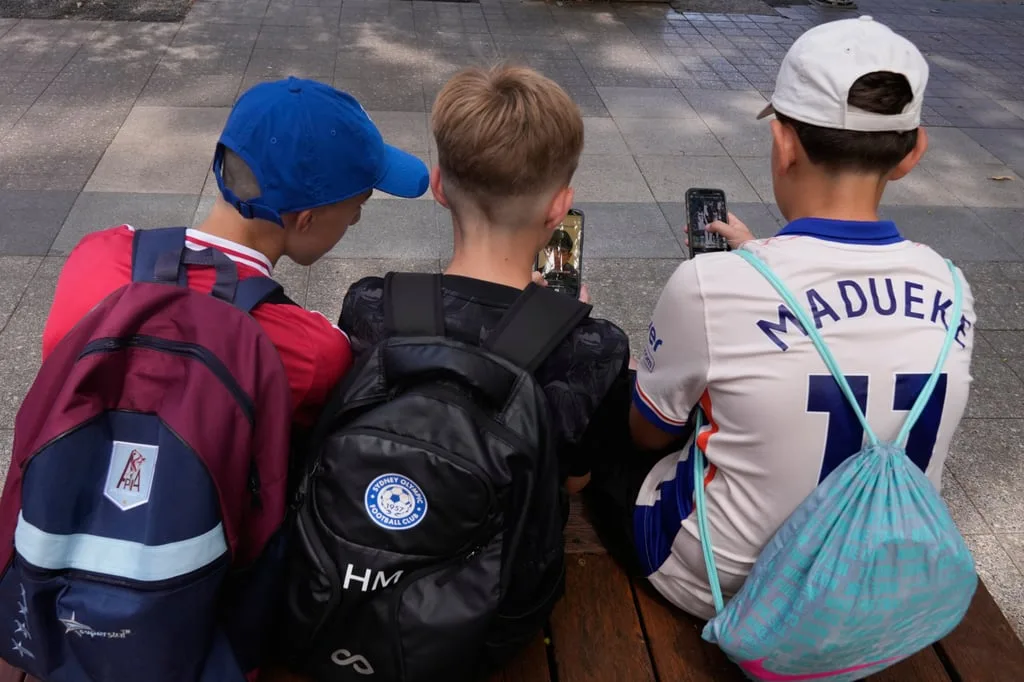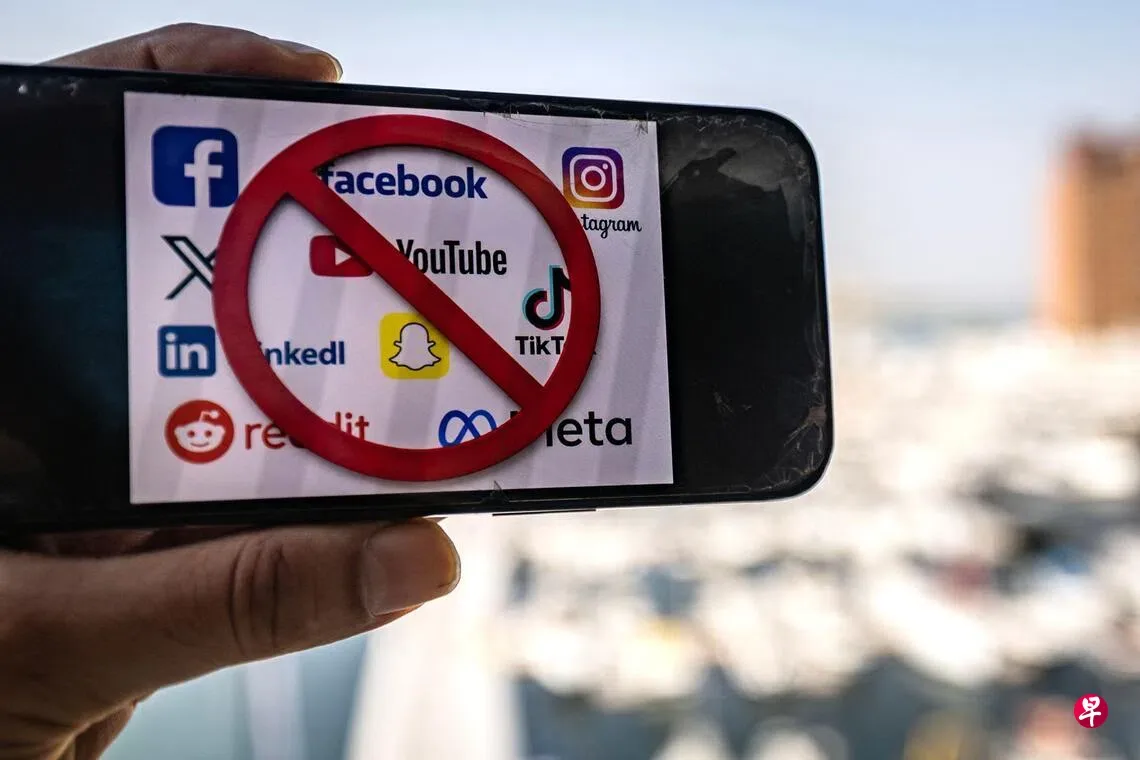
Australia implemented a ban in December 2025 banning social media use by people under 16 on platforms including Facebook, Instagram, TikTok, YouTube, and Snapchat [1, 2, 3, 4, 5, 6]. Despite the ban, studies published in March and April 2026 found that 85% of Australians aged 12 to 15 continue to use social media platforms three months after the restrictions came into force [2, 3, 4, 5, 6].
The ban’s enforcement relies on measures such as AI-based photo verification and self-declared ages, but these methods have proven ineffective. Many teens evade restrictions by using fake accounts (15-19%), adults’ accounts (9-29%), private browsers (~11%), or by falsely declaring their age to bypass controls [1, 4, 5, 6]. Dr. Amrit Kaur Purba of the London School of Hygiene & Tropical Medicine said the data "describe a partially implemented policy, one in which the mechanism intended to restrict access was not reliably activated" [4].
Social media use among 12-13 year olds remained nearly unchanged after the ban. There was a slight decline among 14-15 year olds but an increase for users 16 and older who remain legally allowed on these platforms [1, 4].
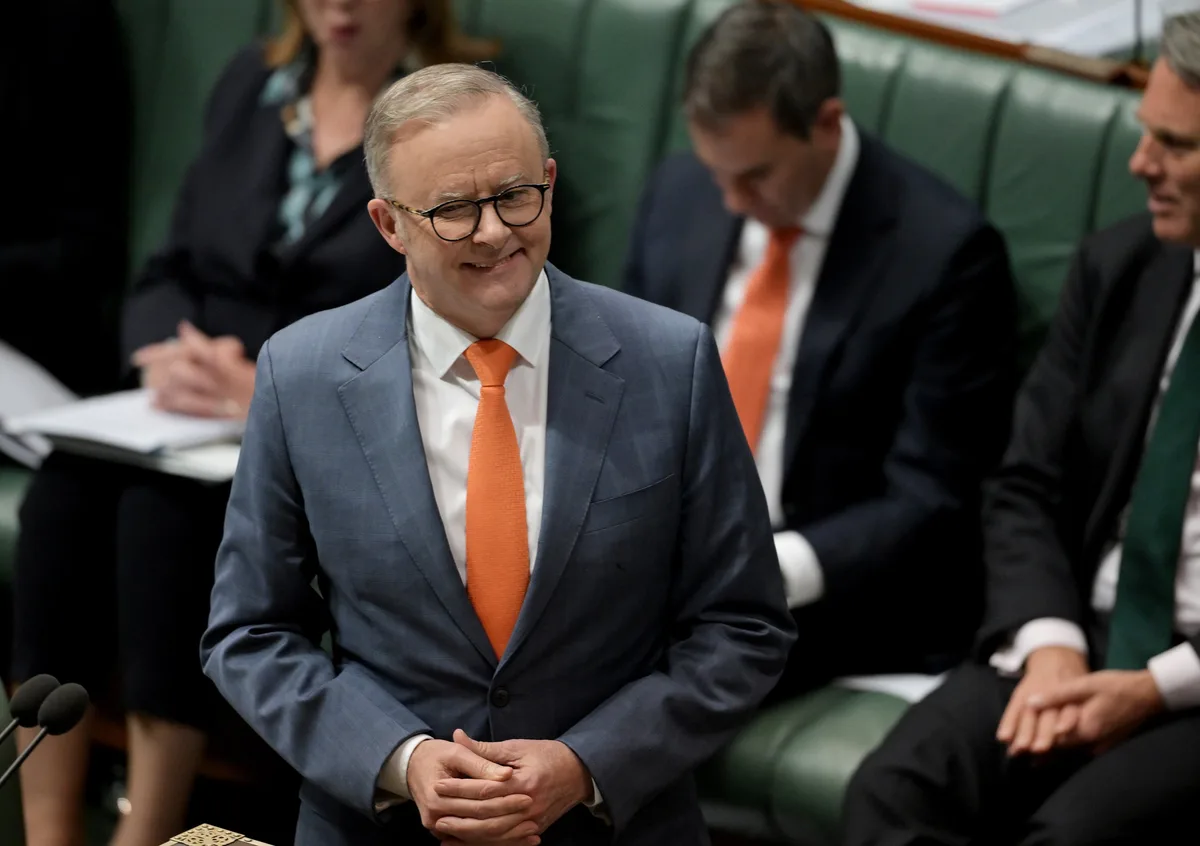
Prime Minister Anthony Albanese acknowledged the challenges, saying, "I’m heartened by the shift in conversation and the global momentum we’ve seen since introducing the social media minimum age, but it’s clear big tech are not doing enough to comply with the law – there are still too many children on social media" [2]. He added, "We will ensure the eSafety Commissioner’s office has sufficient powers to enforce this law" [3] and declared plans to "further strengthen the legal framework to uphold the original intent of the ban and provide children a simple online environment" [6].
In June 2026, Australia announced it will double maximum fines for technology companies that fail to comply, raising penalties from A$49.5 million to A$99 million [2, 5, 6]. The country’s eSafety Commission will gain expanded powers to compel social media firms to provide evidence of compliance efforts [2, 5, 6].
Australia’s approach is being closely watched internationally, with countries such as the UK, France, Spain, Norway, Indonesia, UAE, and New Zealand considering similar age-based social media restrictions [1, 2, 5, 6].
The government’s next step focuses on enforcing compliance through increased fines and regulatory authority to reduce underage access to restricted social media platforms [2, 5, 6].