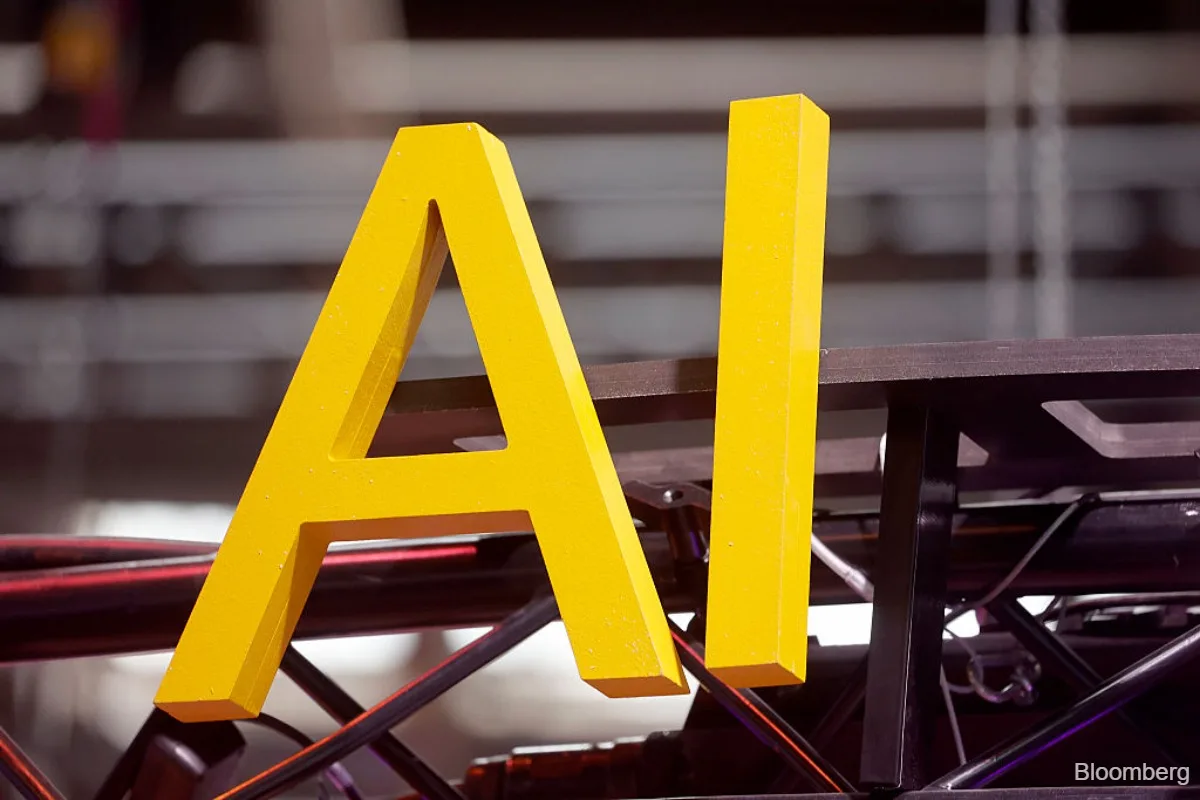
Singapore is in talks with technology companies to attach "nutrition labels" to AI products that indicate their intended uses and limitations, a move officials say is a global first [1, 2]. These labels would be modeled after food or medicine packaging, detailing the "right ways" and "not-so-correct ways" to use AI technologies [1, 2].
The government plans to launch a voluntary framework for these AI nutrition labels before considering mandatory regulations. Minister Josephine Teo said, "We may start with a voluntary framework, and then in time ... we'll see how effective these kinds of labels are before deciding to take the next step" [1]. Teo added the effort seeks to guide consumers toward responsible AI use, stating in Mandarin that the globally pioneering effort will begin with voluntary participation to help users understand AI better [2].
Singapore is also developing testing frameworks and accrediting organizations to evaluate AI products and verify their compliance with recommended guidelines [1, 2]. These measures aim to bolster trust in the technology as Singapore targets supporting 10,000 firms in AI adoption across sectors such as manufacturing, healthcare, and finance [1, 2].
The city-state’s semiconductor equipment manufacturing, accounting for 20% of the global supply, is a key asset underpinning its ambition to become an AI hub [1, 2]. To address power constraints in AI, Singapore is investing in research on energy-efficient AI chips and algorithms [1, 2].
OpenAI announced plans to establish its first Applied AI Lab outside the US in Singapore, backed by an investment exceeding US$234 million [1, 2]. Google DeepMind opened an AI lab in Singapore in November 2024, and has since partnered with the government on initiatives in education, healthcare, and scientific research [1, 2].
Singapore also serves as neutral ground for AI policy dialogue, regularly hosting policymakers from both the US and China [1, 2].
Minister Josephine Teo outlined these AI initiatives at the Asia Tech x Singapore Summit on May 20, 2025, alongside the OpenAI announcement [1, 2]. The government’s next key step is to roll out the voluntary AI nutrition label framework and formally establish testing and accreditation bodies to support implementation.