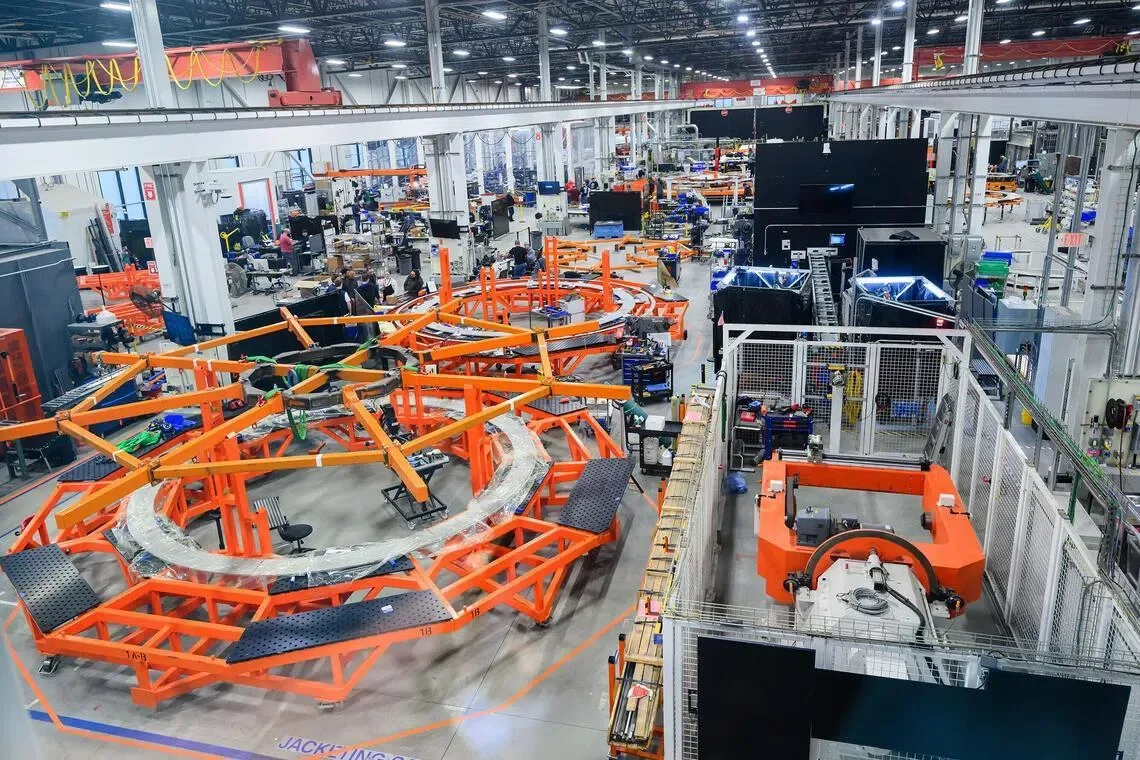
Singapore’s Agency for Science, Technology and Research (A*STAR) signed a five-year collaboration agreement with Commonwealth Fusion Systems (CFS) on May 20, 2026, during Temasek’s Ecosperity conference held in Singapore [1, 2, 3, 4].
The partnership aims to develop technologies for commercial nuclear fusion power plants and position Singapore as an early entrant in the global fusion energy supply chain [1, 2, 4]. Professor Lim Keng Hui, assistant chief executive of ASTAR, said fusion energy is "at an inflection point, with the global industry moving closer to the commercial deployment of clean, reliable power." He added the partnership leverages ASTAR's advanced materials, precision manufacturing, and materials testing capabilities for real-world fusion systems [1].
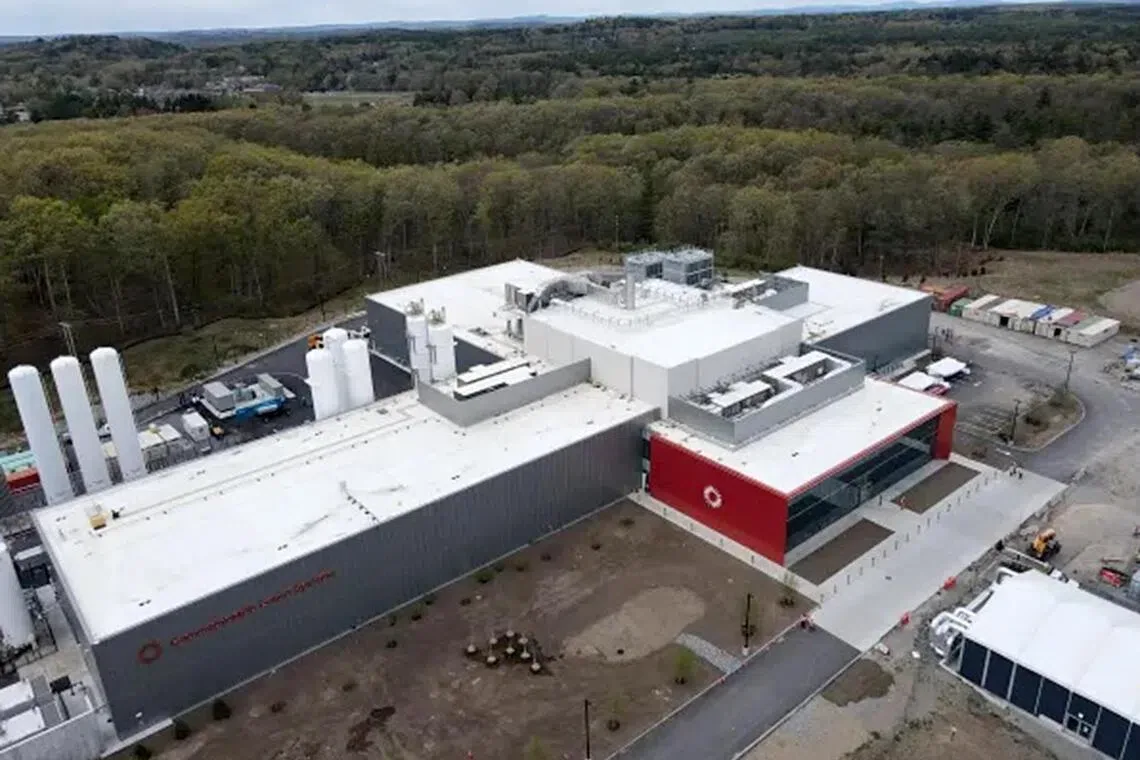
Commonwealth Fusion Systems, founded in 2018 as an MIT spin-off, is the world’s largest private commercial fusion company, backed by investors including Temasek, Nvidia, and Google [1, 2, 3, 4]. Its ARC fusion reactor design is described as affordable, robust, and compact, targeting commercial-scale electricity supply by the early 2030s [1, 2, 3, 4]. CFS plans to build the ARC power plant in Virginia, USA, with construction starting by 2027 [1, 2, 3, 4]. Google has already agreed to purchase half the electricity output from this plant [1, 2, 3].
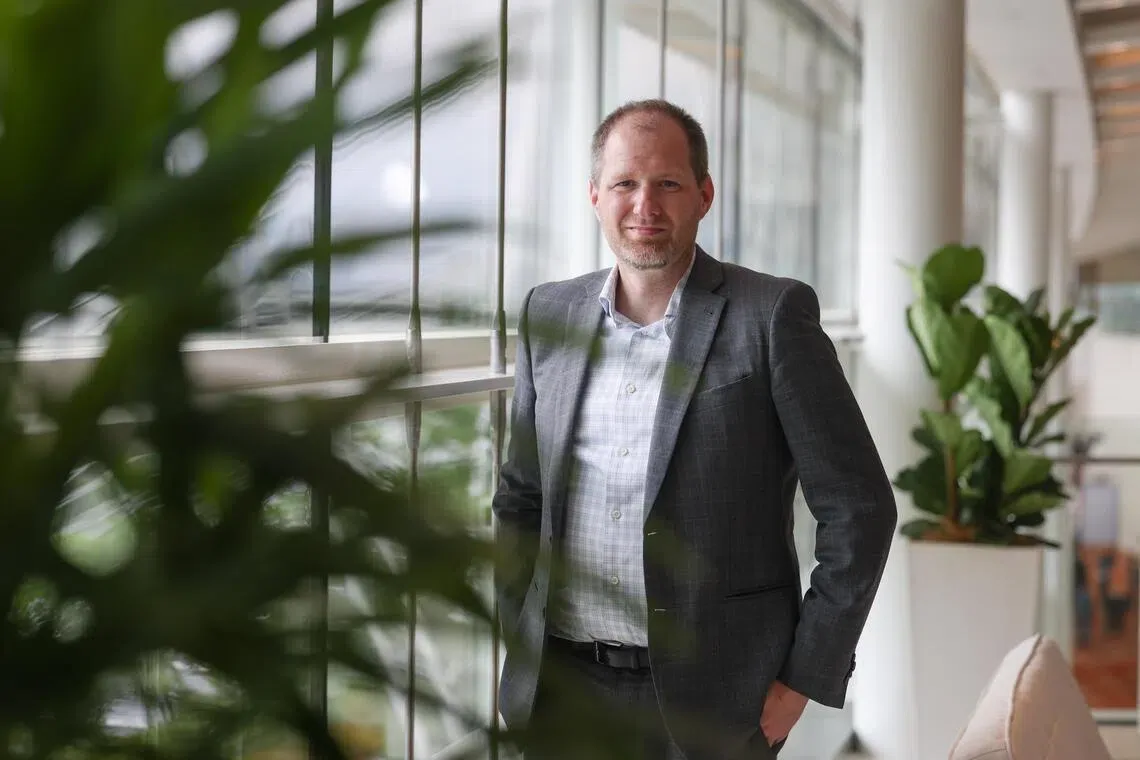
Bob Mumgaard, CEO and co-founder of Commonwealth Fusion Systems, highlighted Singapore’s strengths, saying it has "major capabilities in advanced manufacturing and materials engineering" deployed in shipbuilding, aerospace, and semiconductors [3]. He also said, "We think Singapore can really anchor fusion in the region. Singapore is a model system for what a future fusion-powered urban society could look like" [5].
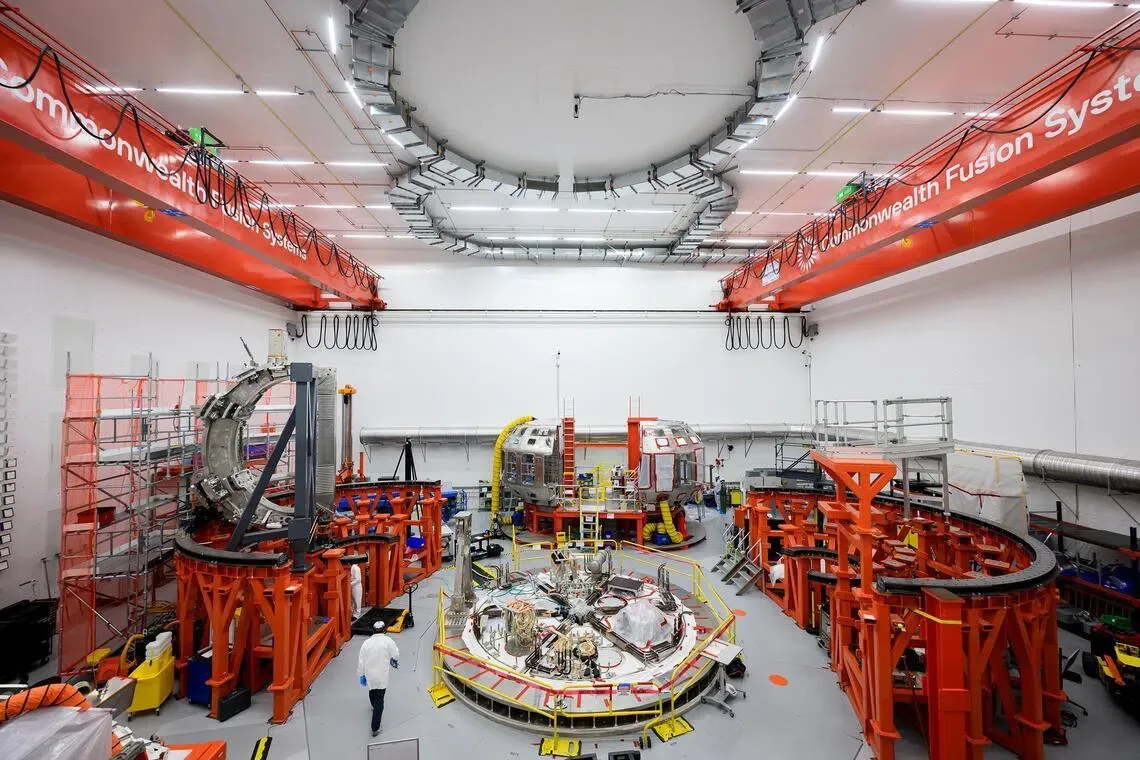
A*STAR previously partnered with CFS and ST Engineering to build components for the SPARC demonstration fusion device, which is expected to generate more energy from fusion than it consumes by 2027 [1, 2, 3, 4].
Fusion energy involves fusing light atomic nuclei at extremely high temperatures to produce clean energy without long-lived radioactive waste or meltdown risk [1, 2, 5, 4]. Rising global electricity demand, driven by AI, data centers, electric vehicles, and industry, is increasing interest in fusion power [1, 5].
Singapore’s advanced manufacturing, materials engineering, and strong research ecosystem support its goal to be a regional fusion leader [1, 3, 5, 4]. The five-year collaboration agreement will run through 2031, as CFS moves toward commercial fusion plant operation in the early 2030s [1, 2, 3, 4]. Construction of the Virginia ARC commercial fusion plant is scheduled to begin in 2027 [1, 2, 3, 4].