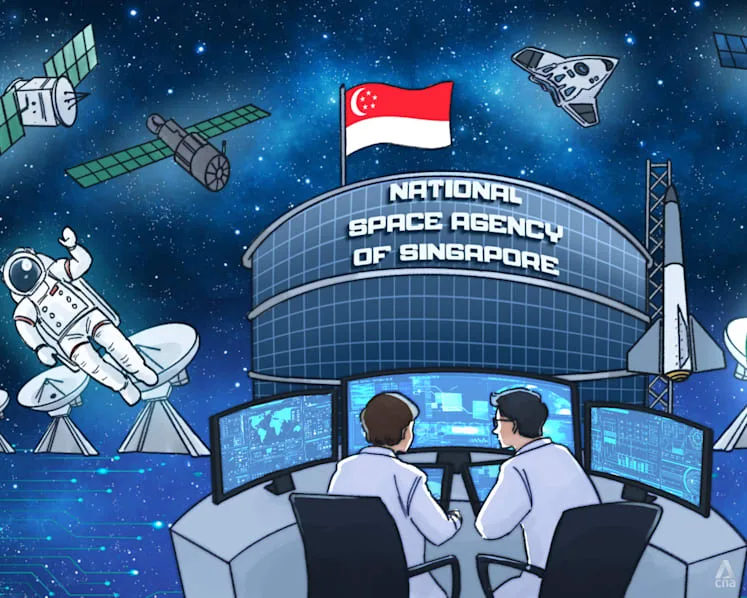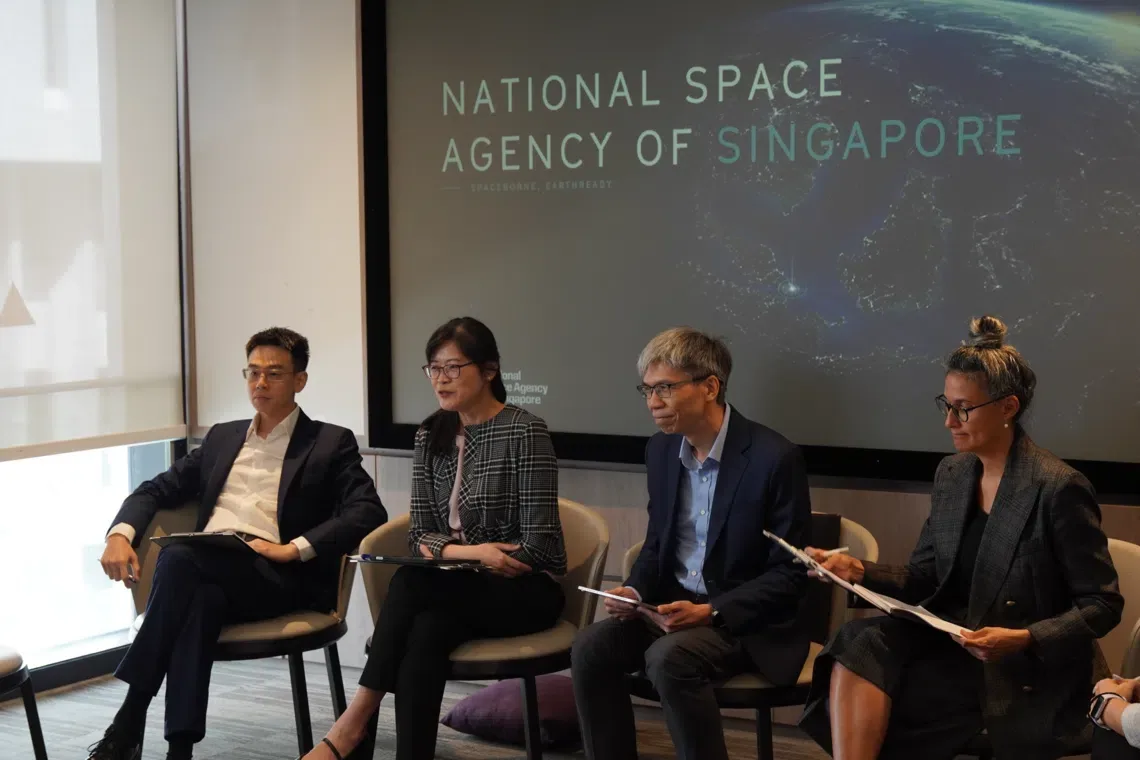
Singapore’s National Space Agency (NSAS) aims to have a national satellite mission operations centre operational by the first quarter or mid-2027, housed in a new, yet undisclosed NSAS headquarters building [1, 2, 3].
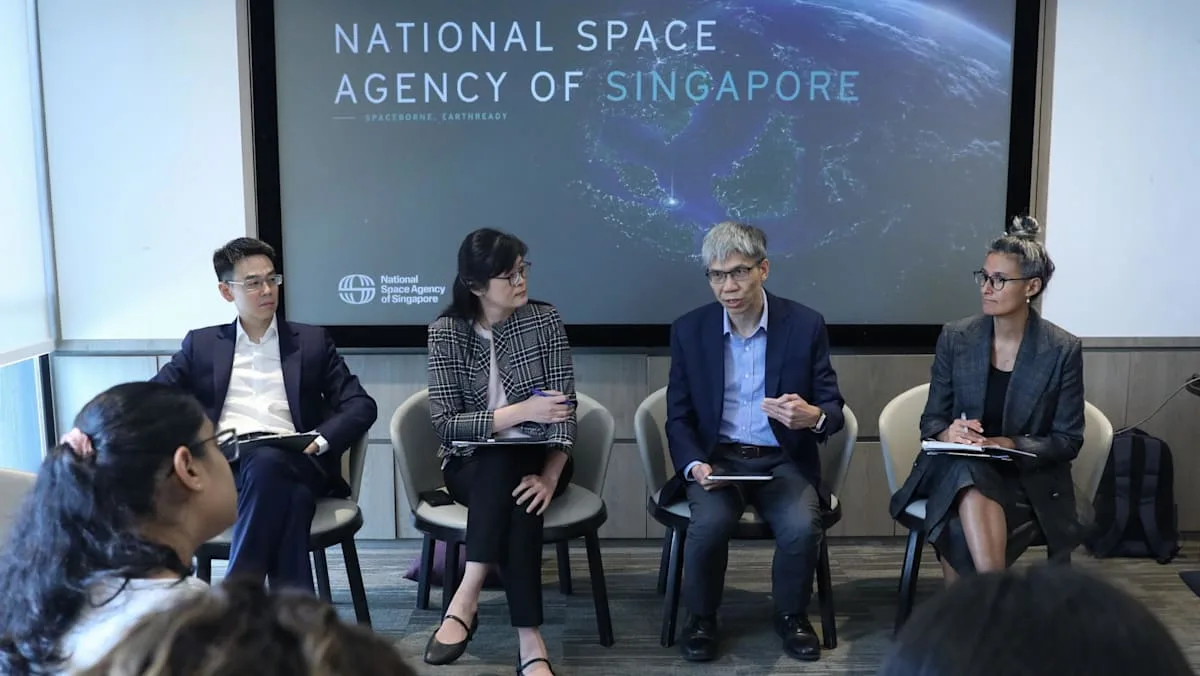
The centre will consolidate satellite mission planning and tasking, space situational awareness, and provide a multi-agency coordination platform to support applications across maritime, aviation, urban planning, and environmental domains [1, 2, 3]. Currently, NSAS has about 30 staff but plans to double or triple the workforce within a few years to support these expanded functions. "Today, NSAS is about 30-plus strong. We will probably be doubling and then tripling in the next few years," said Ngiam Le Na, NSAS chief executive [2].
Singapore co-owns three government Earth observation satellites with ST Engineering, launched in 2022 and 2023. These satellites, with a service life of five to nine years, support disaster response, marine pollution monitoring, maritime security, urban planning, and climate analysis [1, 3].
Space situational awareness is a key focus due to the growing congestion in low Earth orbit, where about 11,000 satellites currently operate — a number projected to increase tenfold by 2035. Ngiam noted, "There are about 11,000 satellites (in space), but it is projected to grow significantly, possibly a tenfold increase by 2035. So we expect that collisions between satellites and space debris are going to increase significantly along the way" [2].
Singapore presently relies on commercial data for space situational awareness but intends to build its own real-time capabilities. "Currently, Singapore buys space situational awareness data from commercial sources... It is important for Singapore to build up its own space situational awareness capabilities," Ngiam said [1].
NSAS works closely with government agencies to define satellite use cases across maritime and aviation incident management, urban planning, environmental monitoring, and data integration. The agency plans to invite representatives from these agencies to co-locate and collaborate within the new operations centre after its opening [1, 3].
Future satellite plans include deploying smaller satellites equipped with advanced technologies to monitor sea level rise, forest health, and crop growth [3]. NSAS also aims to nurture the local space industry, advance research and development, strengthen international partnerships, and submit a national space law to Parliament in coming years [3].
The new NSAS headquarters and satellite mission operations centre are expected to open by mid-2027, marking a key milestone in Singapore's growing space capabilities [2, 3].