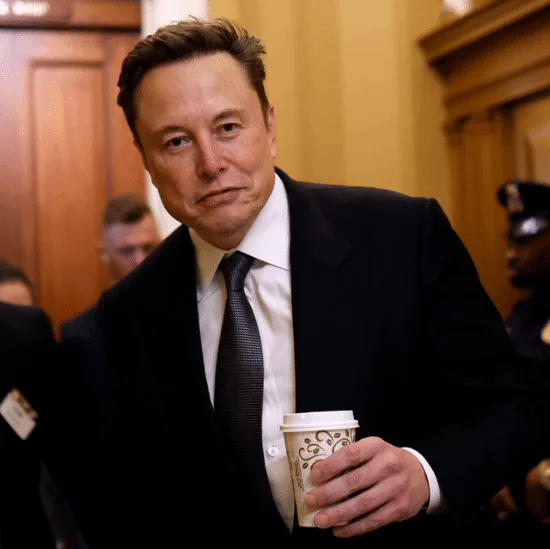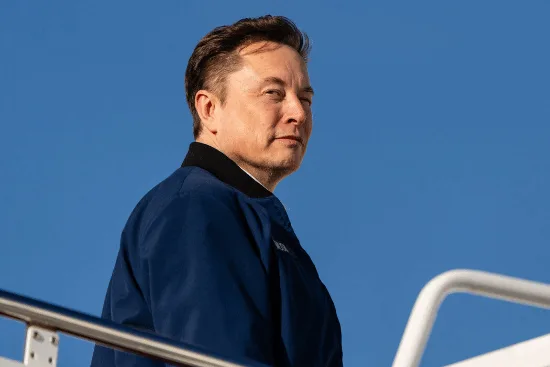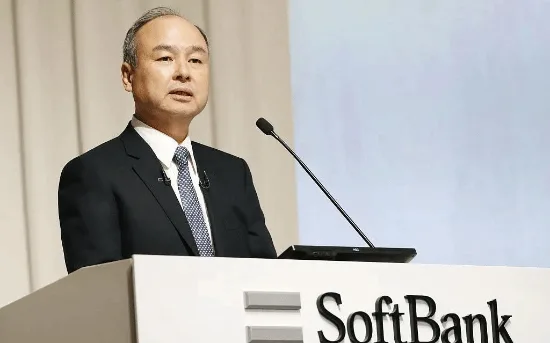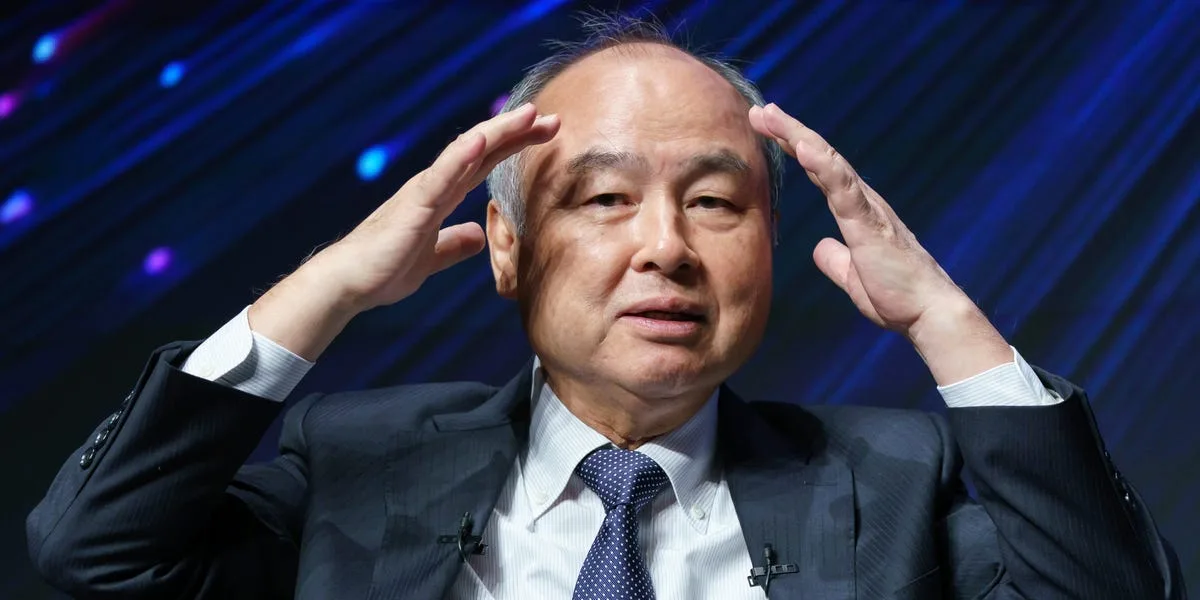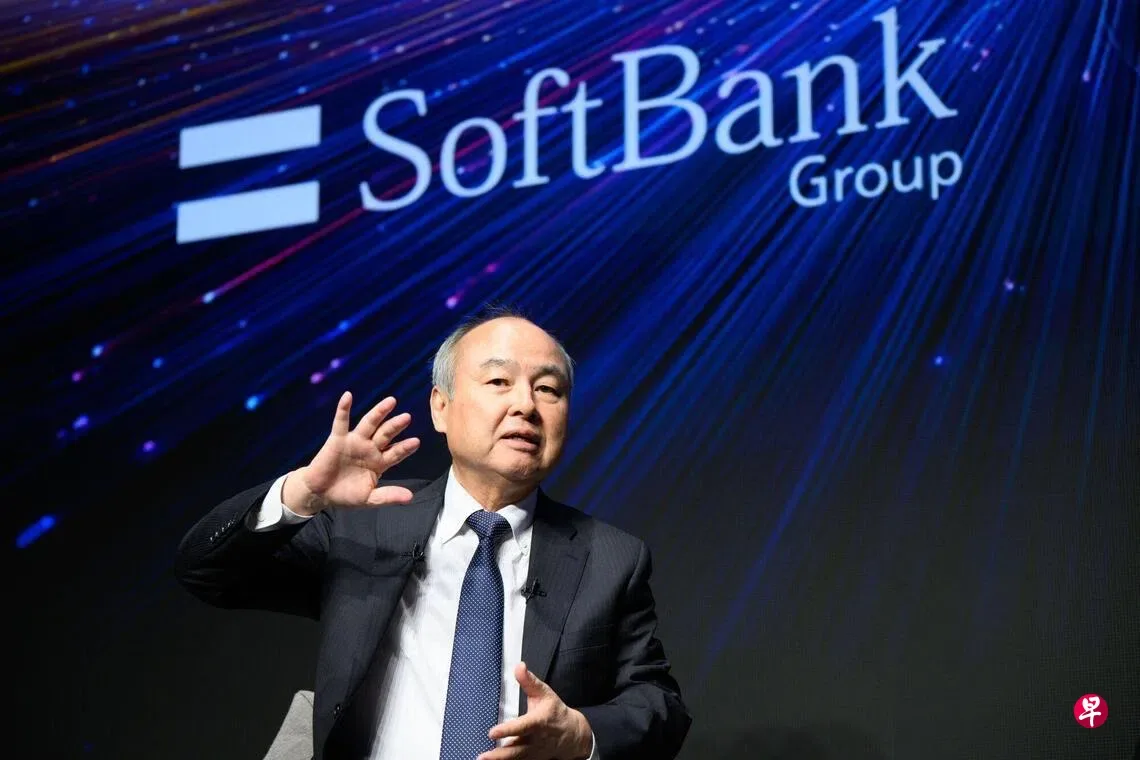
SoftBank founder and CEO Masayoshi Son criticized Elon Musk’s plan to build AI data centers in orbit, arguing the benefits are limited and outweighed by costs. Speaking at SoftBank’s annual shareholder meeting on June 23, Son said electricity cost savings are only a small part of total data center expenses. He noted high transportation, maintenance costs, and communication latency in space undermine the proposal’s value [1, 2, 3, 4].
Son highlighted that electricity costs make up about 7% of operational expenses for AI data centers, while chip and hardware costs are the dominant factors [2, 3]. He asked, “What’s the point? What’s the benefit of building AI data center in space?” [3].
Son emphasized that the AI competition’s outcome will be decided on Earth in the next few years. He said SoftBank aims to focus on terrestrial compute infrastructure with a “near-sighted perspective” given uncertainties about AI-related business in space [1, 3, 4].
SoftBank has committed roughly $65 billion to investments in OpenAI and plans to invest tens of billions more globally in data centers and related infrastructure [1, 4]. One major project is a $50 billion facility in Ohio demonstrating SoftBank’s commitment to on-Earth AI compute [4].
Additionally, SoftBank’s telecom unit plans to enter the US cloud computing and data center energy storage battery markets, with a product launch scheduled for next year [1, 4].
Elon Musk and SpaceX envision orbital AI data centers powered by low-cost solar energy and natural cooling advantages of space [2, 3, 4]. However, OpenAI CEO Sam Altman called the idea "ridiculous" and premature [3].
Despite his disagreement, Son praised Musk as a transformative innovator [1, 3, 4]. Son, of Japanese-Korean descent, founded SoftBank Group [1].
Son said, “The winner will be decided in the next some years, so rather than focusing on the space where we have no idea what will happen in terms of AI-related business, we would like to focus on more with the near-sighted perspective” [3].
SoftBank’s focus on terrestrial AI infrastructure and planned US market entries take precedence as the company prepares for upcoming investments and product launches next year.