Since the Iran war started on February 28, 27 countries have moved to establish crisis financing instruments to gain fast access to World Bank funds, according to multiple sources [1, 2, 3, 4, 5, 6, 7].
Three of these countries have already approved new financing instruments since the conflict began while others complete their processes [1, 2, 4, 5, 6, 7]. The 27 nations are among 101 with pre-arranged crisis financing, including 54 that signed up for the World Bank's Rapid Response Option enabling use of up to 10% of undisbursed funds [1, 2, 3, 4, 5, 6, 7].
Officials from Kenya and Iraq confirmed they are seeking rapid World Bank support to address war-induced economic shocks. Kenya is grappling with surging fuel prices, while Iraq faces severe oil revenue losses tied to the conflict [1, 2, 3, 4, 5, 6, 7].
World Bank President Ajay Banga said the crisis toolkit can provide $20-25 billion immediately, with capacity to expand aid to $60 billion in six months and $100 billion over the longer term [1, 2, 5, 7]. He quantified the scale of potential assistance amid the widespread fallout.
IMF Managing Director Kristalina Georgieva anticipated a dozen countries might seek $20-50 billion in near-term help, but few formal requests have materialized so far [1, 2, 5, 7]. An anonymous source familiar with World Bank funding said, "Countries are definitely in wait-and-see mode" [1].
Countries prefer World Bank crisis funds over IMF loans due to fewer austerity conditions, reducing the risk of fueling social unrest, according to Kevin Gallagher, director of Boston University’s Global Development Policy Center. Gallagher said, "Countries were more willing to seek World Bank funds than negotiate with the IMF because IMF programs generally require austerity measures that could compound the social unrest already seen in countries like Kenya" [1].
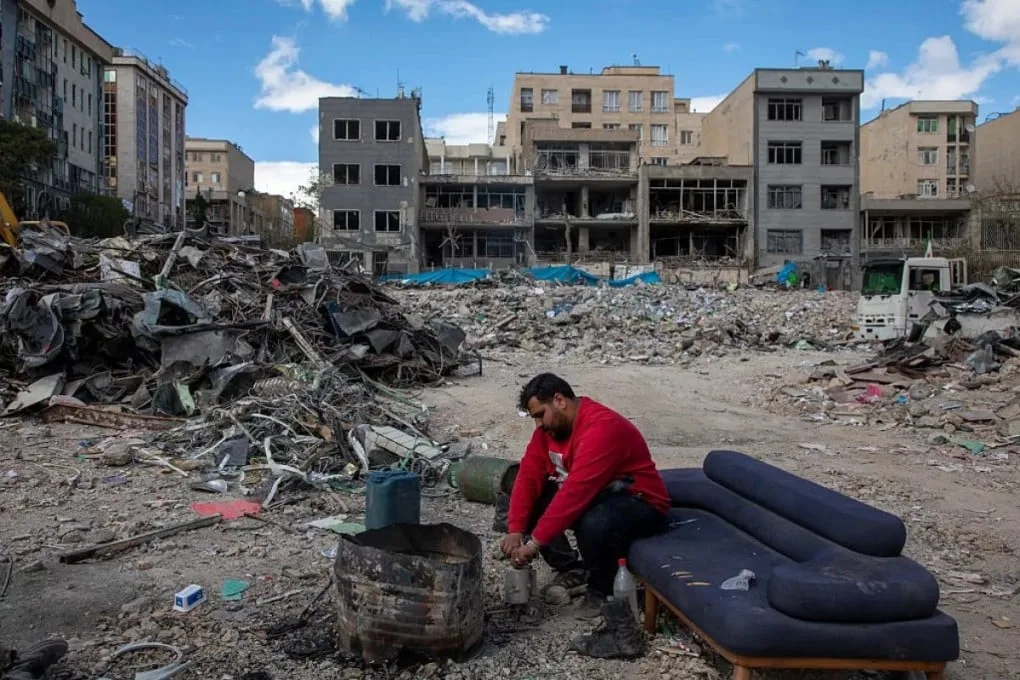
The war has disrupted global energy markets, halted fertilizer shipments to developing countries, and caused supply chain problems worldwide [1, 2, 3, 4, 5, 6, 7]. The crisis response from multilateral lenders aims to lessen these economic stresses.
The initial trigger was the war onset on February 28, which prompted these rapid moves for access to funding [1, 2, 4, 5, 6, 7]. In May, Ajay Banga outlined the World Bank’s immediate funding capacity and scaling plans [1, 2, 5, 7]. Countries are currently progressing their requests with some approved instruments and others in the pipeline [1, 2, 4, 5, 6, 7].