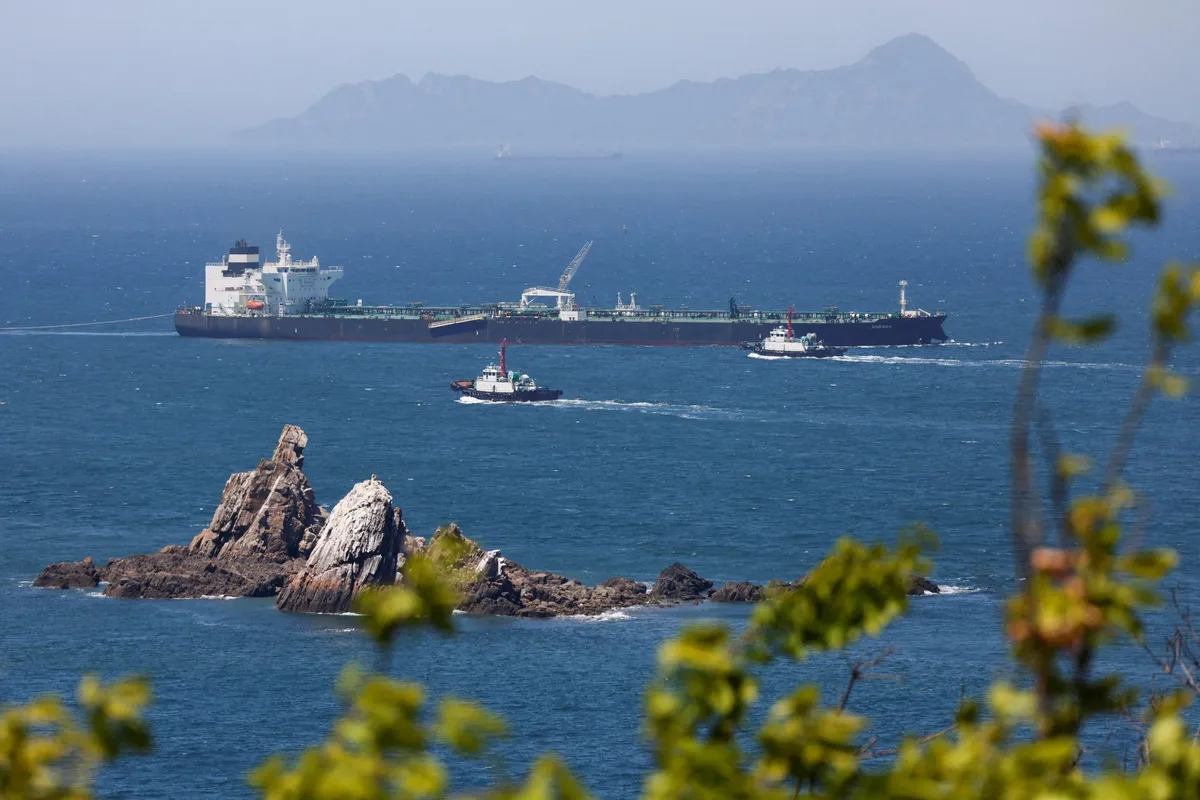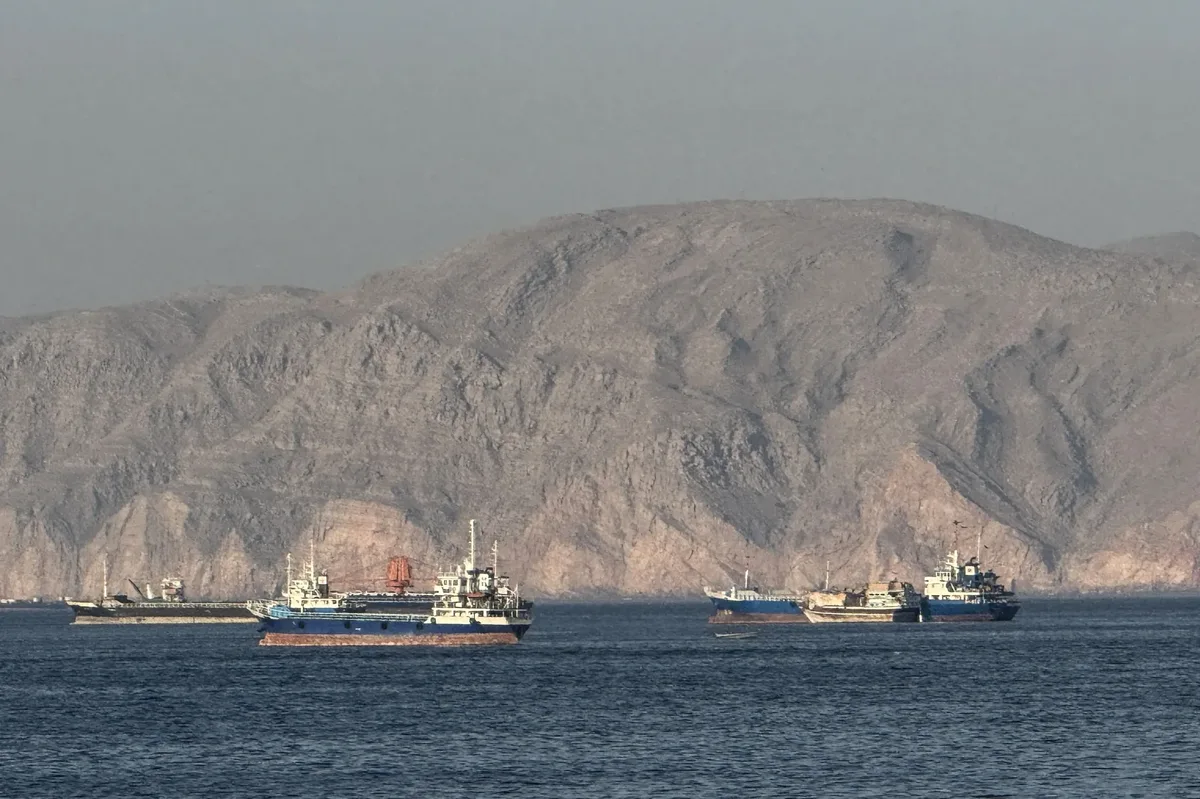
The Iran war that began on February 28, 2026, stranded 109 large non-Iranian oil tankers inside the Persian Gulf by effectively closing the Strait of Hormuz [1, 2]. These vessels, each capable of hauling 700,000 barrels or more, faced severe restrictions on movement in a key global oil transit route [1, 2].
By late May, approximately 29 of these trapped tankers had escaped across the Strait of Hormuz, representing about a quarter of the original trapped fleet [1, 2]. Most escaped by switching off their Automatic Identification System (AIS) transponders, traveling stealthily and sometimes at night to avoid detection [2].
Iran-linked ships were excluded from this count because until mid-April they had free passage through the Strait, and many did not broadcast their positions even prior to the war [2]. However, from mid-April 2026 onward, Iran-linked vessels lost their previously unrestricted access to the strait [2].
The escaped tankers carry roughly 520,000 barrels of oil per day, a relatively small volume compared to the crude and products still held inside the Gulf [2]. Alternative export routes operated by Saudi Arabia and the United Arab Emirates that bypass the Strait of Hormuz currently move larger volumes than the tankers that have escaped [2].
The situation remains fluid as the Iran war continues to restrict key oil transit routes. The next major checkpoint for tanker movements depends on any shifts in control or access around the Strait of Hormuz.