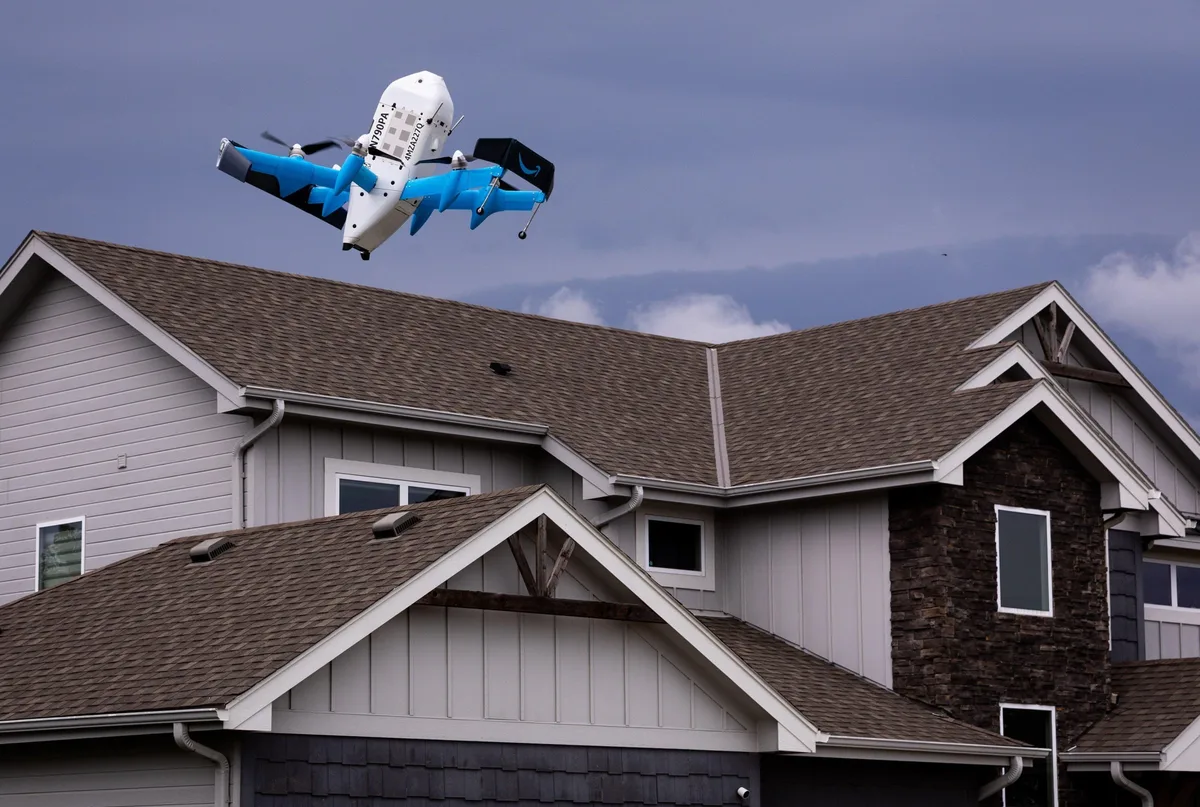
Amazon announced on August 19, 2026, it will extend its Prime Air drone delivery service to nearly 500 US cities and towns by the end of the year, expanding its footprint sixfold from about 10-11 current sites across seven states [1, 2, 3, 4, 5, 6].
The expansion will soon include new delivery locations in Chicago, Cleveland, Atlanta, Syracuse, and Boise, with additional rollouts planned later this year [1, 3, 5]. Currently, Prime Air operates in areas including Phoenix, Tampa, Kansas City, Omaha, Baton Rouge, Detroit, Houston, San Antonio, Dallas, and Waco [1, 3, 5]. Each site covers roughly 175 square miles and offers delivery times ranging from about 30 minutes to one hour [1, 4].
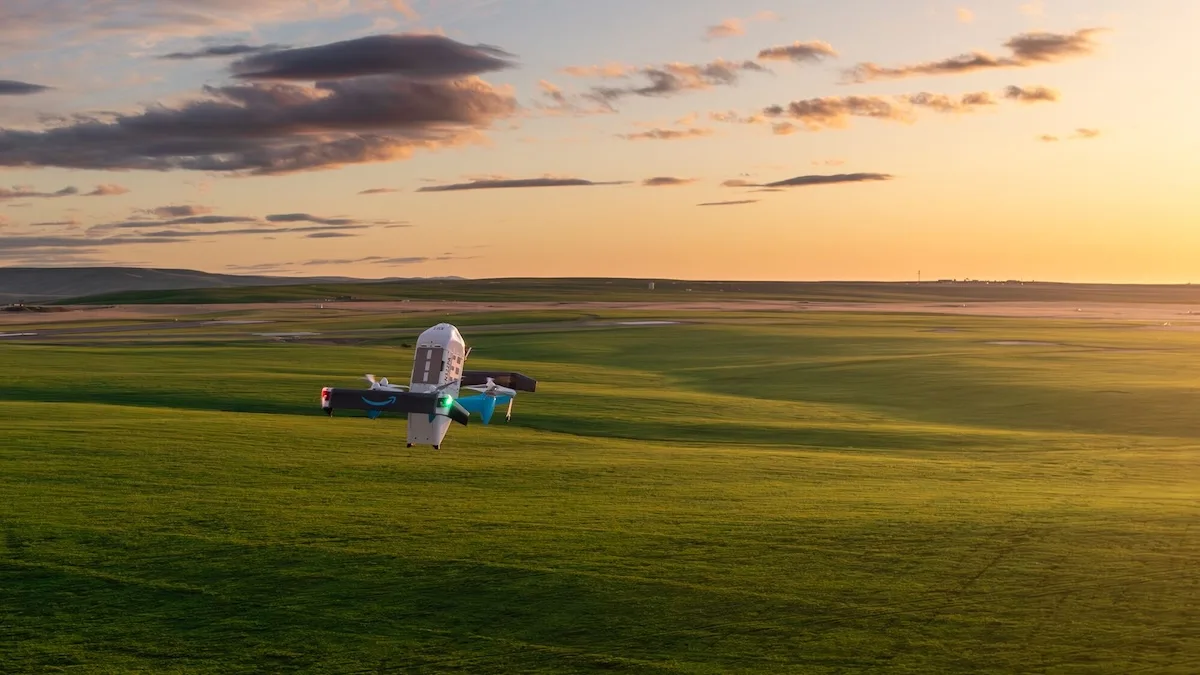
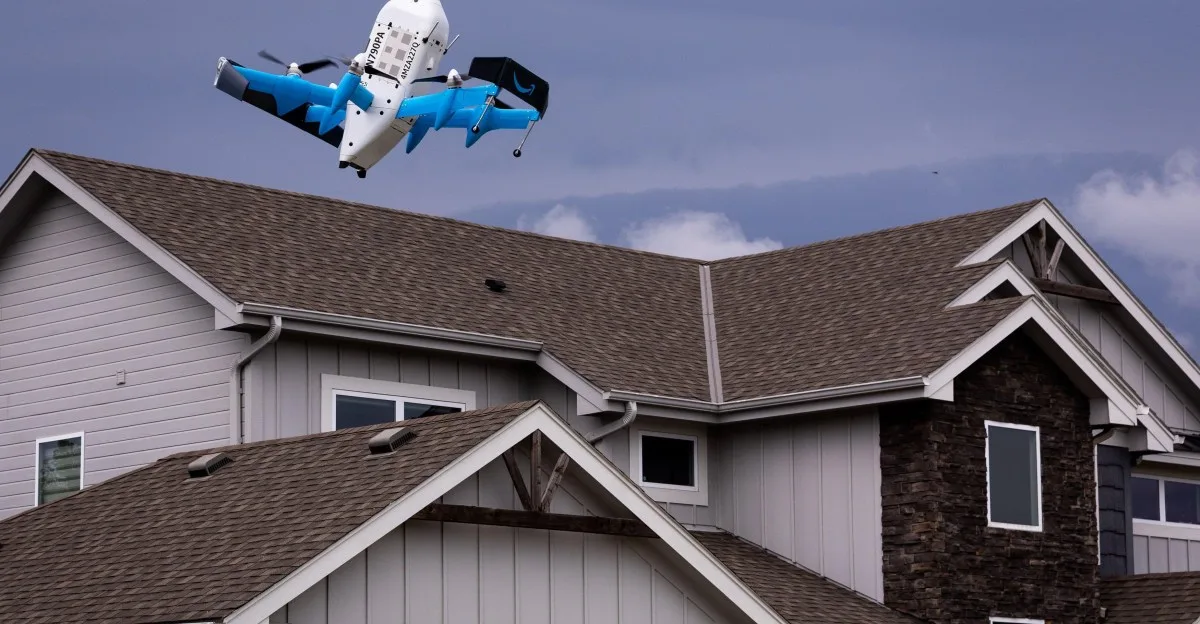
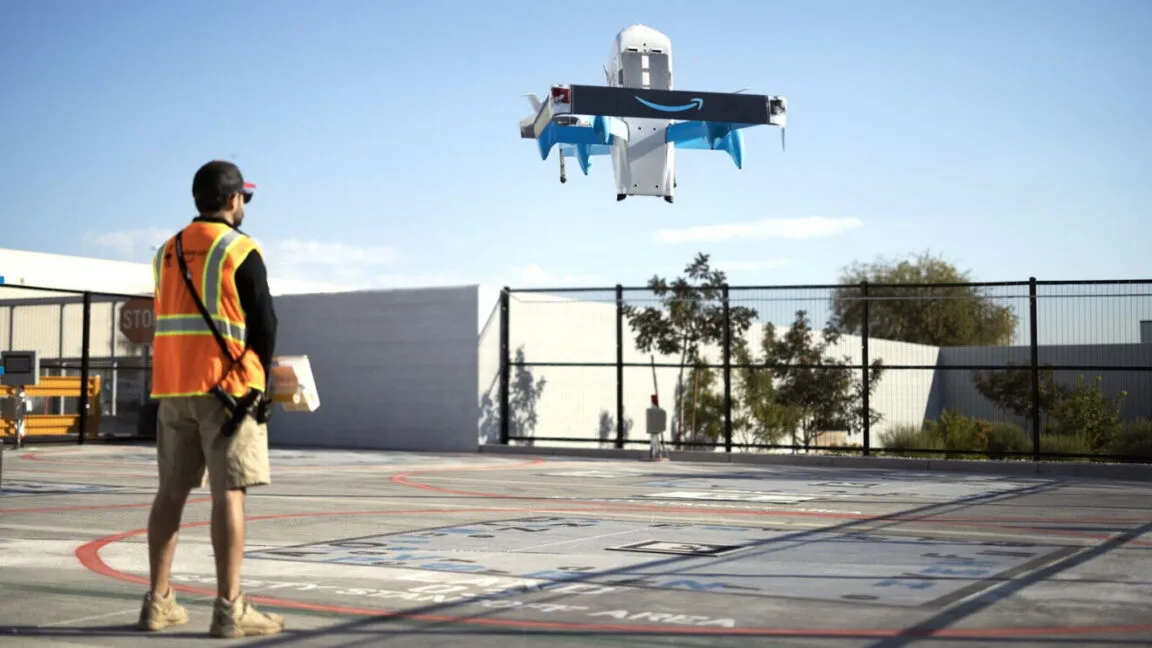
Amazon uses its in-house designed MK30 drone, which takes off and lands like a helicopter, has six propellers and a 7.5-mile range [3]. The drones operate under FAA Part 135 certification, the same framework commercial air carriers use [5]. Amazon emphasized safety features such as its "industry-leading Detect-and-Avoid system" that uses cameras and sensors to detect and navigate around obstacles [4, 5]. The drone program has faced challenges including incidents where drones collided with crane booms or clipped internet cables, prompting ongoing safety improvements [5].
Prime Air mostly delivers packages weighing 5 pounds or less that fit inside a large shoebox, with many arriving within 30 minutes and most under an hour [4, 7]. Prime members qualify for free drone delivery on eligible orders above $50; under that, members pay $2.99 to $3, while non-members pay about $5 per delivery [3, 5].
David Carbon, Amazon Prime Air vice president, said, "Customers continue to demand faster delivery times. Bottom line is we have yet to reach diminishing returns when it comes to how fast we deliver to our customers." He added that Prime Air "has already delivered hundreds of thousands of packages to customers by drone this year" and projects the service will complete 1 million deliveries by the end of 2026 [2, 5].
Amazon announced the program in 2013 with founder Jeff Bezos envisioning small package delivery within 30 minutes. Since then, the service has dealt with regulatory delays, staff cuts, technical challenges, and community concerns over noise and privacy [2, 8]. Amazon faces competition from Walmart, which operates drone deliveries from 66 stores and plans to expand to 270 stores by 2027, and from Zipline in partnership with Uber aiming for 1 million daily deliveries by 2029 [1, 3].
A recent safety incident in October 2025 saw two drones collide with a crane boom in Tolleson, Arizona, underscoring the risks involved [5]. Amazon continues investing in drone safety to prevent similar incidents.
The company said new metropolitan delivery sites will launch soon as part of the expansion planned through the end of 2026 [1, 3].