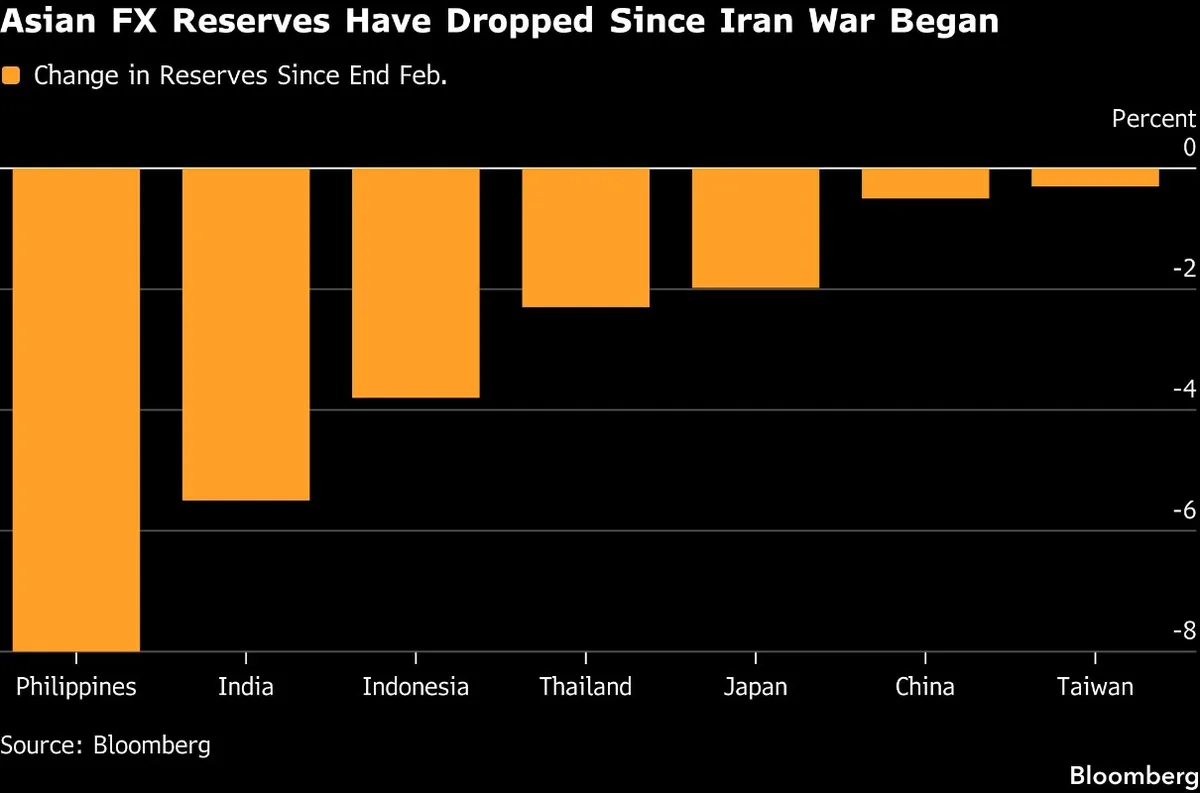
Foreign-exchange reserves across Asia are slumping as policymakers spend to defend currencies against pressure from the Iran war and higher oil prices. [1, 2, 3, 4, 5]
The Philippines has posted the sharpest drop among the countries cited, with reserves down 8.1% since the conflict began to US$104 billion. India’s reserves have fallen 5.2% to US$691 billion, while Indonesia’s are down 3.8% to US$146 billion. [1, 2, 3, 4, 5]
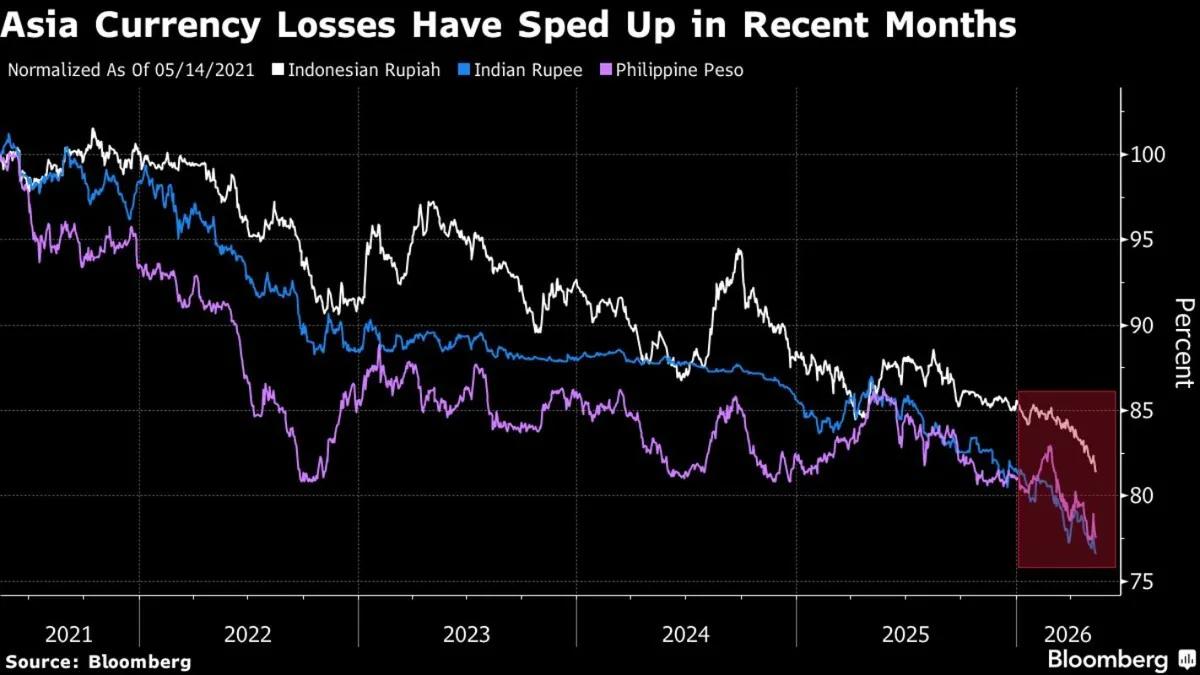
The declines reflect both direct currency-support intervention and the lower value of non-dollar holdings. In the Philippines, the central bank intervened as the peso neared 60 per US dollar, but the currency still weakened past that level. [1, 2, 3, 5]
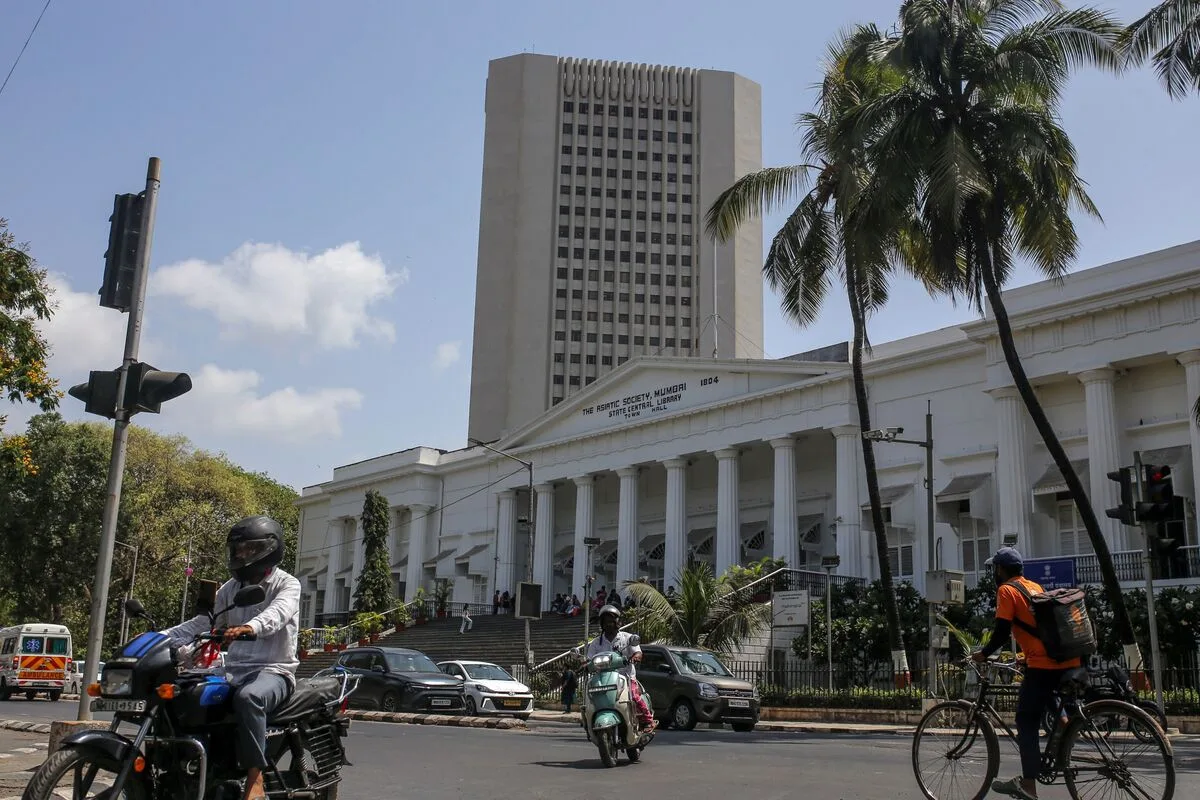
India responded on Tuesday, May 12, by raising import tariffs on gold and silver to curb bullion purchases and help defend the rupee. Former Reserve Bank of India governor Duvvuri Subbarao said Asian economies had built reserves as a first line of defence and that their macro fundamentals were stronger, but he warned that they are also large oil importers and that exports, the main growth driver for many of them, are likely to be hit. [3]
Indonesia said it would make "smart interventions" in foreign-exchange markets and use all monetary-policy instruments after the rupiah slid to record lows. [2, 3, 5]
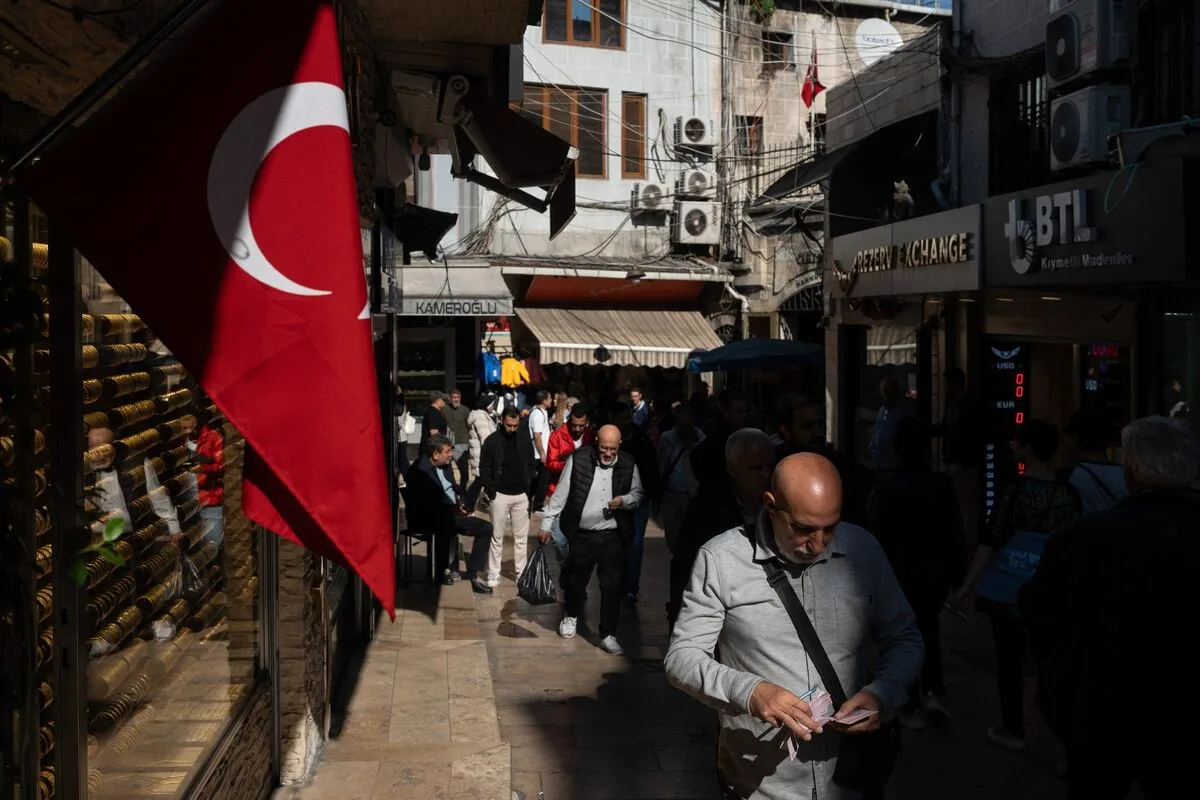
Turkey saw a separate blow to its reserves in March, when official foreign reserves had their biggest monthly decline on record, falling by $43.4 billion, according to balance-of-payments data. That drop was linked to global selloffs in emerging-market assets and pressure on the lira triggered by the Iran war. [6]
Market pressure on Asian currencies is likely to keep policymakers active in foreign-exchange markets in the near term, with countries already drawing on reserves and tightening other defences. [1, 2, 3, 4, 5]