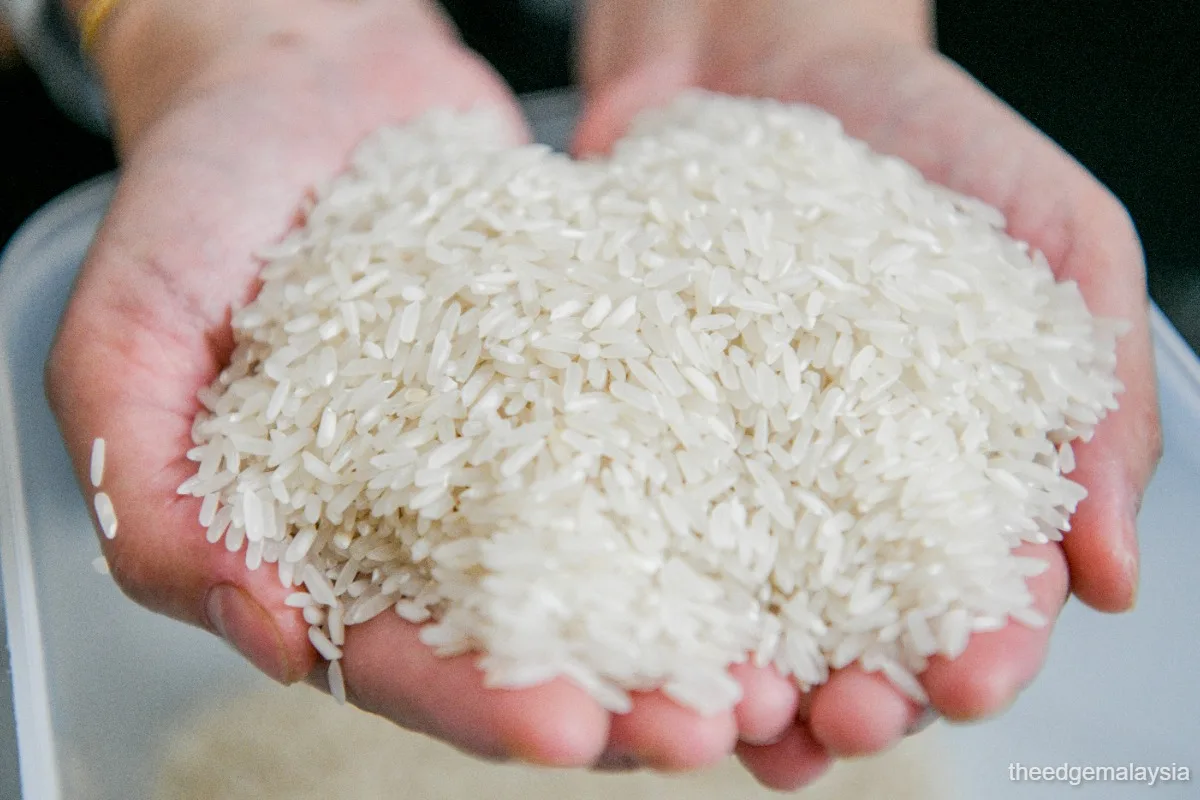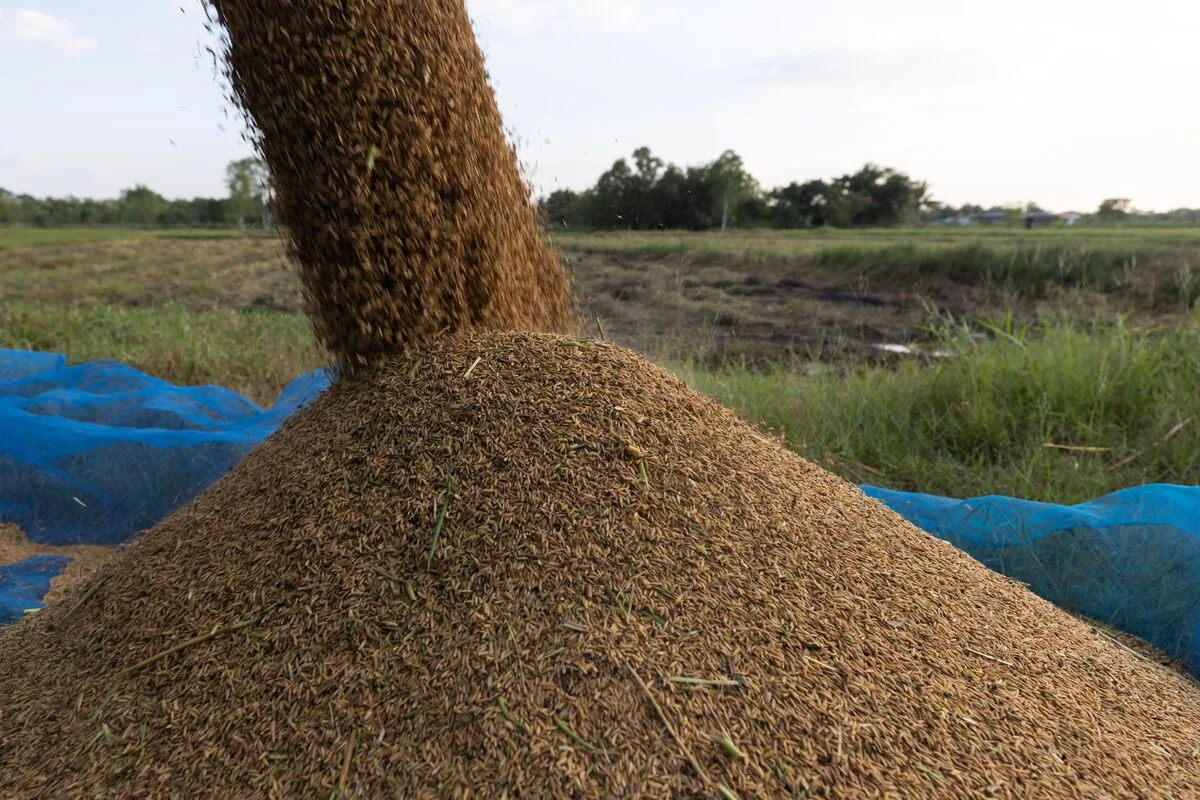
Asian rice prices posted their biggest monthly jump in nearly two decades in May 2026, with Thailand white rice prices rising 20% and rice futures on the Chicago Board of Trade climbing 15% [1, 2]. The surge reflects growing concerns over input costs and weather risks threatening rice production across the continent.
Since a war began in February 2026, energy and fertilizer prices have surged significantly, putting pressure on farmers and supply chains. Prices for nitrogen fertilizers in key rice-producing countries such as Thailand, Cambodia, and the Philippines rose 40% to 50% since the conflict started [2]. Rice farming, which is fertilizer-intensive and relies on diesel-powered irrigation, is especially vulnerable to these cost hikes [2].
Farmers in import-reliant Asian nations are delaying or skipping rice planting this season due to high input costs coupled with hot weather. Tran Van Be Bay, a farmer in Vinh Long, Southern Vietnam, explained, "With costs rising and weather this hot, it’s not a good time to sow a new crop. Applying more fertiliser not only costs more but also harms the plants" [2].
Adding to concerns is the expected arrival of an El Niño event, which meteorologists forecast to bring hotter and drier conditions to parts of Asia. Bin Hui Ong, a commodities analyst at BMI (Fitch Solutions), said, "Prices will continue to trend higher. An expected El Niño event — which can bring hotter, drier weather to parts of Asia — presents further upside" [2].
International Rice Research Institute senior scientist Alisher Mirzabaev noted that although countries had sufficient rice reserves during the March–May period, shortages could develop soon unless fertilizer trade stabilizes: "Though countries had enough reserves in the March-May period, shortages could emerge soon unless the fertiliser trade normalises." [2]
The rice market will remain closely watched in coming months as farmers decide planting schedules amid persistent high costs and the approach of El Niño, potentially affecting supplies and prices throughout 2026 [1, 2].