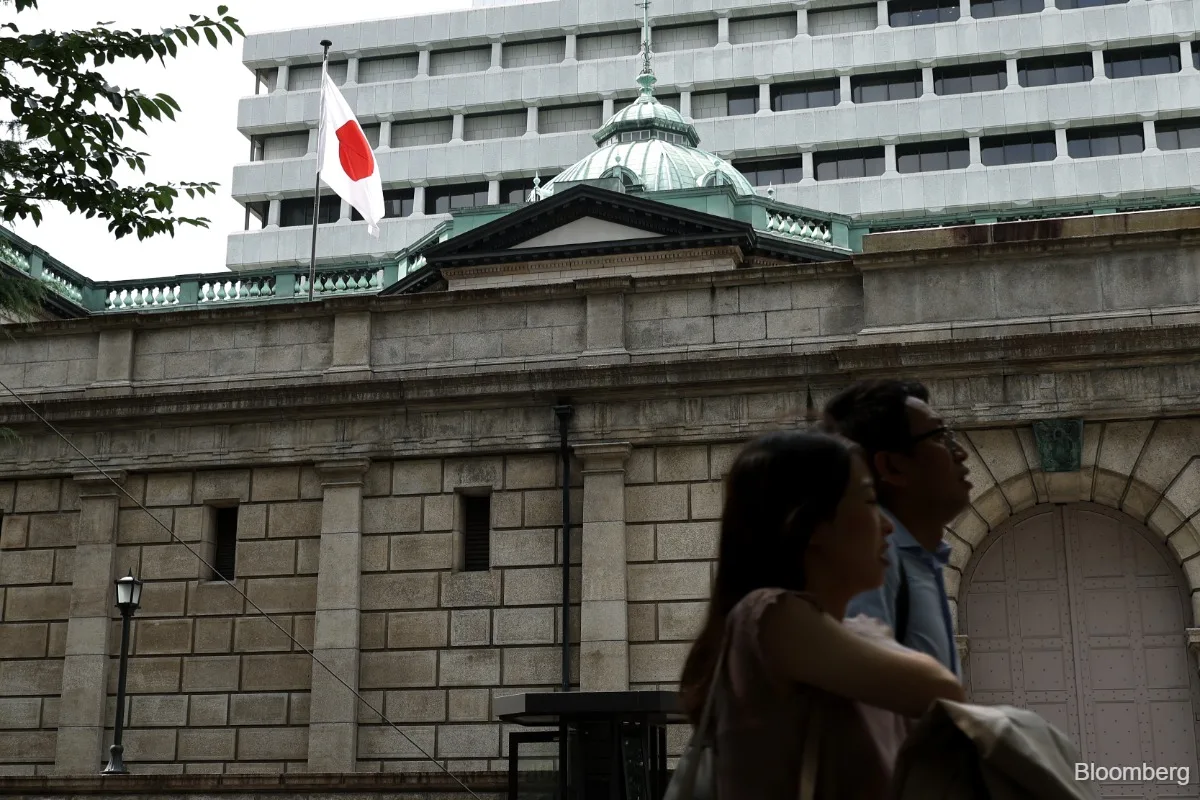
Bank of Japan officials indicated they may raise interest rates faster than widely expected to counter inflation risks fueled by yen weakness [1, 2, 3, 4]. In June 2026, the BOJ raised its benchmark interest rate to 1%, the highest level in 31 years [1, 2, 3]. Most economists had anticipated steady rates at the July 31 meeting and the next hike no sooner than December 2026 [1, 3]. However, BOJ officials denied sticking to preset timelines and said future increases could come sooner than the typical six-month gap [1, 3].
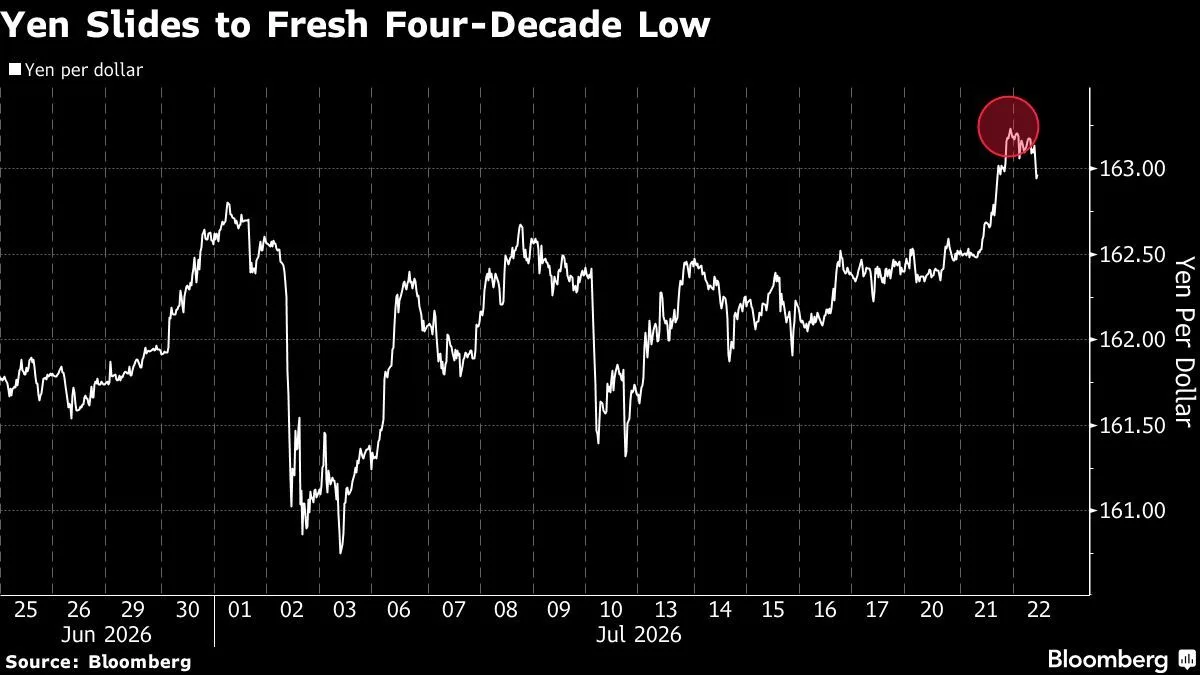
Inflation has been rising toward the BOJ’s 2% target, with underlying pressures heightened by the yen’s recent depreciation [1, 3, 4]. The yen weakened to near 163-164 per US dollar around late July 2026, its lowest level in about 40 years [1, 3, 5, 6, 7, 4]. Analysts and market participants doubt that small, incremental rate hikes will be enough to reverse the yen’s downward trend. Market analyst Brendan Fagan said, "The yen now needs thunderous measures, not lukewarm stimulus. The question is whether policymakers are willing to deliver on these promises" [7].
The weakening currency has prompted concerns about reduced foreign investor demand for Japanese stocks due to currency risks [6]. The U.S. Treasury’s semi-annual currency report released in late July called for further BOJ rate hikes and warned against excessive yen volatility [5, 6]. Japanese Finance Minister Katayama Satsuki said the government is ready to take decisive action in currency markets if needed, stating, "We will respond appropriately whenever necessary, which means taking firm and decisive action in the foreign exchange markets" [6]. Asian forex traders showed little reaction to reports of faster BOJ hikes, possibly anticipating the moves have yet to materialize [7, 8].
The BOJ’s next policy meeting is set for July 31, 2026, where it is widely expected to hold rates steady, but officials’ openness to faster hikes signals a shift in strategy [1, 3].