Blue Origin announced on August 7, 2026, that it is raising $10 billion in its first outside funding round with a pre-money valuation of $130 billion [1, 2, 3, 4, 5]. Coatue Management is expected to lead the round with a $4 billion commitment, while Jeff Bezos will contribute $2 billion personally. The remaining $4 billion is anticipated to come from other large institutional investors [1, 2, 3, 4, 5].
Founded by Jeff Bezos in 2000, Blue Origin has been primarily funded by Bezos until now, with this round marking its first significant external investment [1, 2]. The company focuses its business on launch services, rocket engines, and government space programs, including multibillion-dollar contracts from NASA and the US Space Force related to the Artemis lunar missions [1]. This contrasts with its main competitor SpaceX, which also invests heavily in satellite internet services [1, 2].
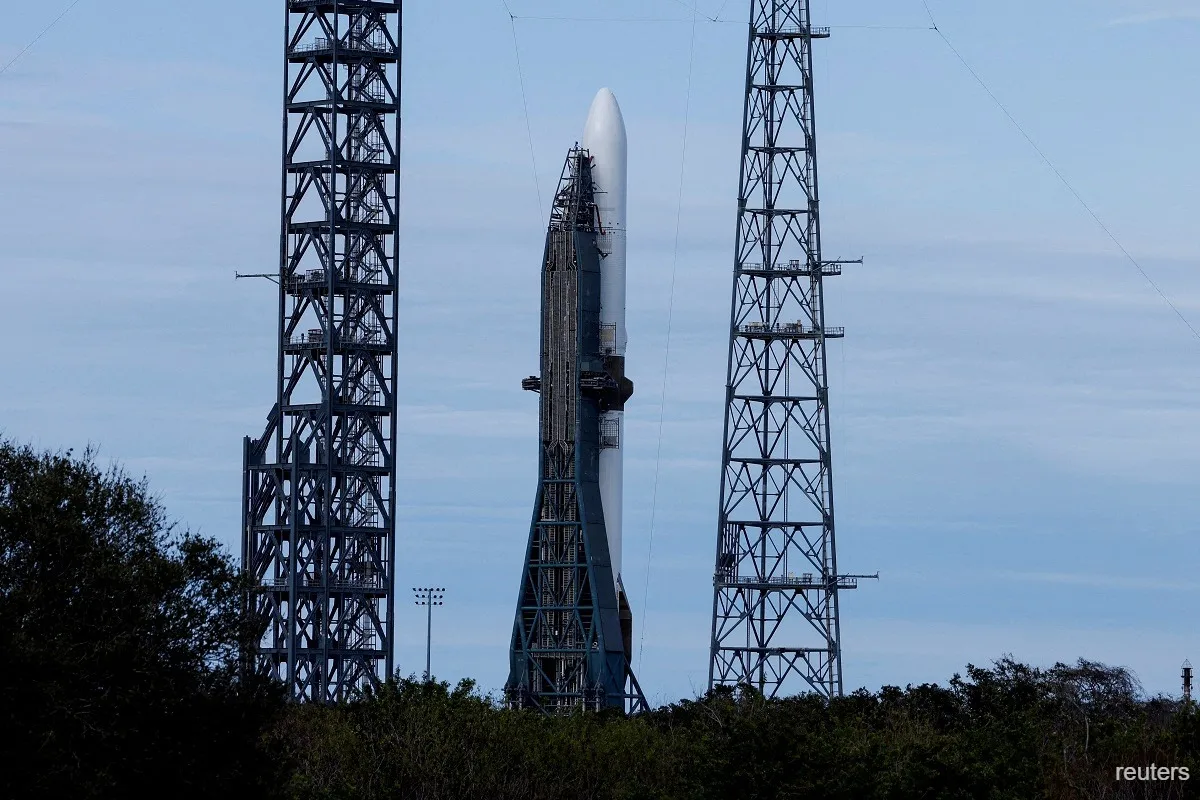
Blue Origin’s flagship New Glenn rocket exploded during a ground test in late May 2026, damaging the launch pad and causing a setback for the company [1, 2, 4]. Despite this, Blue Origin plans to restart New Glenn launches later this year [1, 4]. The company aims to compete with SpaceX in launch services, telecommunications, space-based data centers, and lunar landers [2, 4].
Last month, in June 2026, SpaceX completed a notable initial public offering raising approximately $85 billion at a valuation near $1.75 to $2 trillion [1, 2, 4]. Blue Origin’s new funding round is seen as a major step to bolster its resources following the New Glenn setback.
Blue Origin expects to resume New Glenn launches before the end of 2026, aiming to fulfill contracts and advance its space ambitions [1, 4].