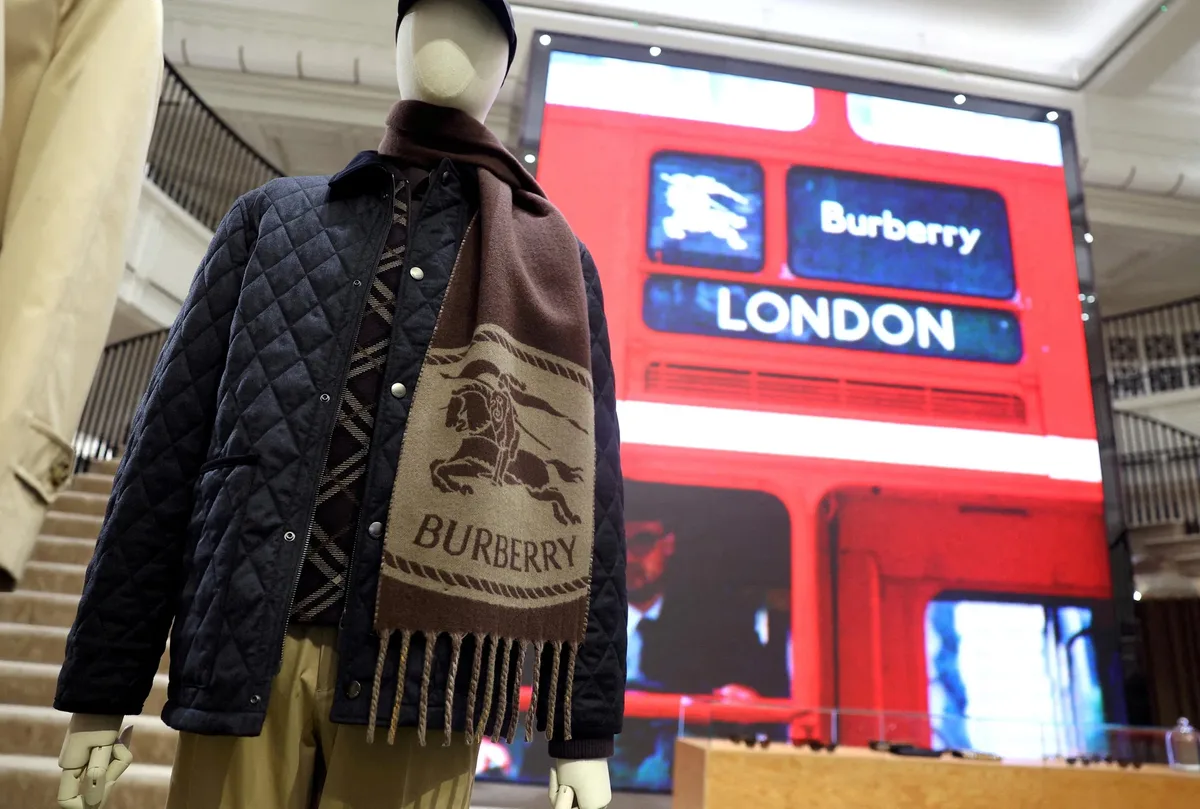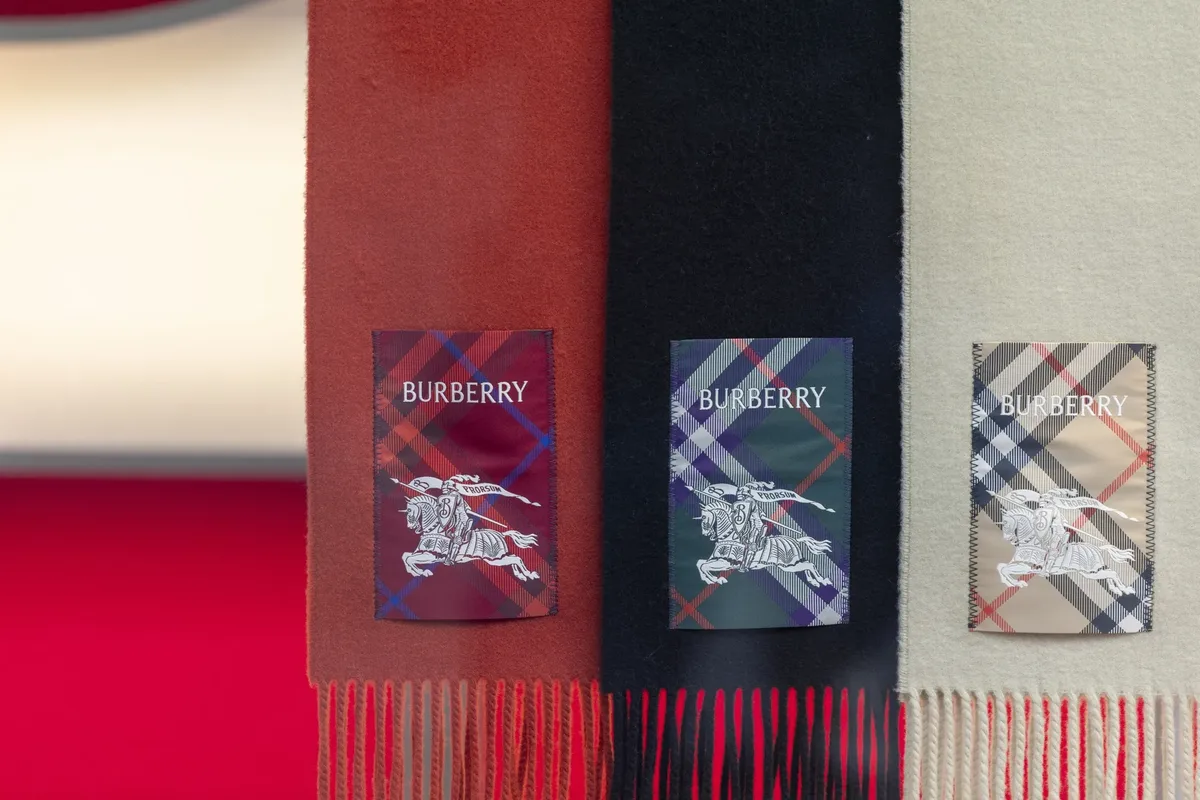
Burberry Group Plc reported a 2 percent increase in like-for-like sales for the fourth quarter ending March 28, exceeding expectations, and an adjusted operating profit that beat forecasts for the fiscal year ending on the same date [1]. Sales in the greater China region grew 10 percent but were offset by a 2 percent decline in Europe and the Middle East due to reduced tourist shopping linked to conflict in Iran [1]. The Middle East accounts for only 2 percent of Burberry’s total sales [1].
CEO Joshua Schulman said the impact of the Iran conflict is “quite localised,” adding the company remains “mindful” of the wider consumer environment marked by geopolitical and economic uncertainty that could hurt shopper confidence [1]. Schulman has pivoted Burberry's strategy to focus on lower prices, job cuts, and making the brand more accessible [1].
Burberry’s shares fell as much as 6.7 percent in early London trading on May 13, before paring losses, with a year-to-date decline of 8.4 percent [1]. Richard Hunter, head of markets at Interactive Investor, said, “Burberry fully recognises that the transformation is still in its early stages, and that of course the fashion industry can be a fickle business.” [1]
William Jackson, founder of Bridgepoint Group, will succeed Gerry Murphy as Burberry’s chair when Murphy retires in November 2026 [1].