Chinese automaker BYD delivered 557,090 pure electric vehicles from April to June 2026, a slight decline from last year but still enough to surpass Tesla's estimated 396,500 sales over the same period [1, 2]. BYD's total vehicle sales in June 2026 rose by 5.5% year-on-year to 403,472 units, with about 43% of that volume coming from overseas markets [1, 2].
BYD first overtook Tesla as the global leader in pure electric vehicle sales in the fourth quarter of 2024 and held that position for most of 2025 before Tesla briefly regained the top spot in the first quarter of 2026 by roughly 48,000 units [1, 2]. However, BYD's Q2 results suggest it has reclaimed the lead.
Despite facing fierce price competition in China, BYD is focusing on technological upgrades such as advanced driver-assistance systems and expanding production of its next-generation blade battery technology [1, 2]. The company released China’s most powerful autonomous driving chip by late May 2026.
Tesla, meanwhile, has delayed deployment of its self-driving technology in China and recently recruited driver-assistance technology specialists to address this gap [1, 2]. Tesla CEO Elon Musk’s political activities and associations with former U.S. President Donald Trump have reportedly hurt Tesla’s brand perception, particularly in European markets [1, 2].
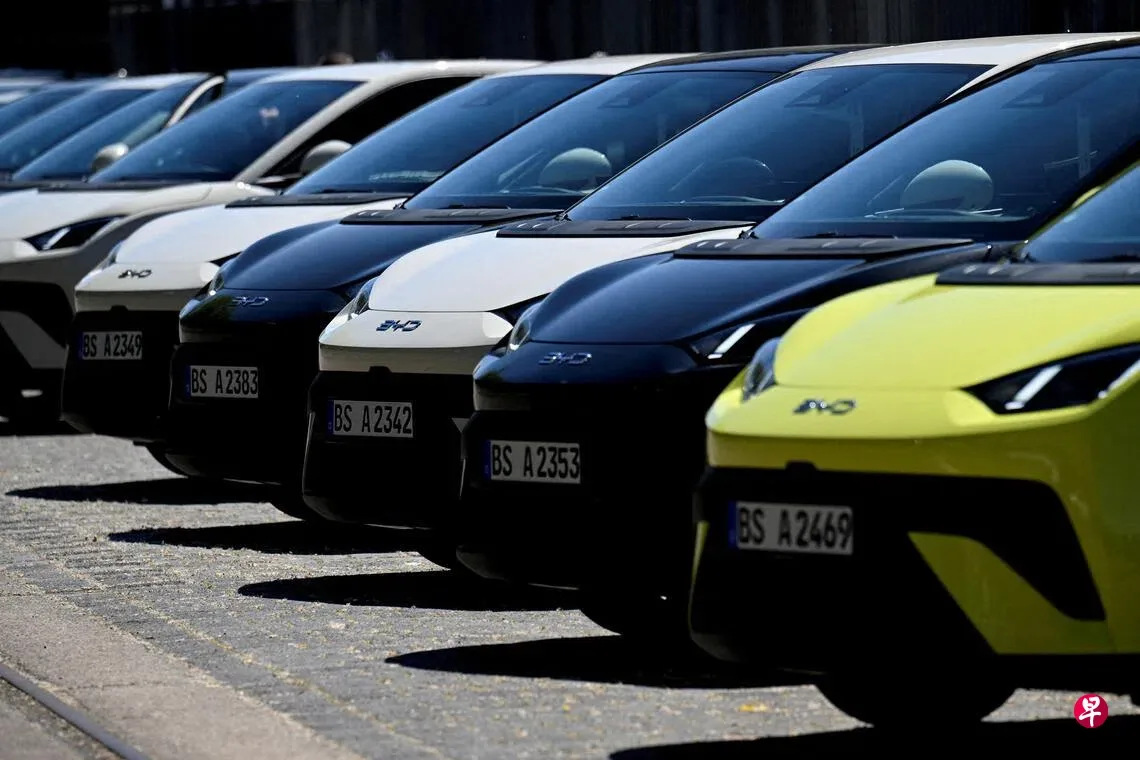
Gao Shen, an independent analyst, noted that "BYD cars’ rising popularity in overseas countries, particularly western European nations and Southeast Asia, has given it an edge over Tesla and other international rivals in selling pure electric and hybrid cars" [3]. Overseas sales accounted for nearly half of BYD’s total sales in June, marking a significant factor in its global competitiveness.
BYD’s stock price on the Hong Kong market rose 8.4% on July 1, 2026, following the release of its sales figures [1, 2]. The company’s next key milestone will be its Q3 sales report, expected later this year.