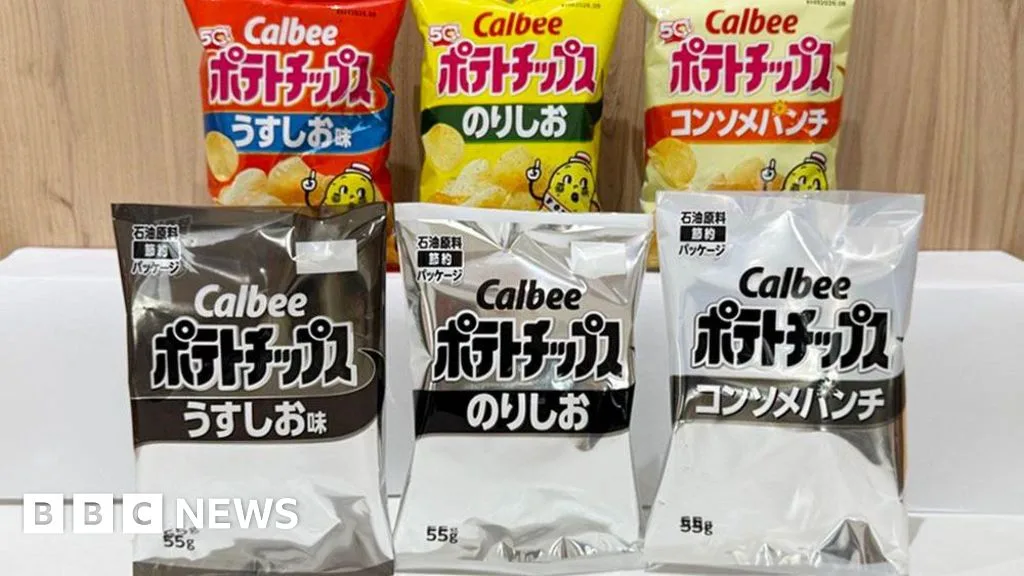
Japanese snack giant Calbee announced it will temporarily switch to black-and-white packaging for 14 of its products, including crisps and prawn crackers, starting May 25 in shops across Japan. The change comes amid disruptions in the supply of naptha, a key ingredient used in ink production, that has affected the company’s usual packaging process [1].
The shortage of naptha stems from supply chain disruptions linked to the war involving Iran, which began in late February 2026 after the United States and Israel attacked the country and Iran subsequently blocked the Strait of Hormuz, a vital shipping route. Japan imports roughly 40% of its naptha consumption from the Middle East through this strait, making the nation vulnerable to the disruptions [1, 2, 3].
Calbee confirmed the packaging adjustment was aimed at sustaining product availability. The company stated, "This measure is intended to help maintain a stable supply of products" as shortages jeopardize their usual color printing processes [1].
The Japanese government is responding by seeking to diversify naptha supply sources, including increasing imports from the United States, said Deputy Chief Cabinet Secretary Kei Sato, who emphasized, "The government was working to stabilise and resolve any supply imbalances and bottlenecks" [1].
The impact of naptha shortages extends beyond snack packaging. Manufacturers in various sectors such as automotive, bathrooms, and paint production have reported disruptions due to the chemical supply shortfall [2, 3].
Other Japanese companies have faced related issues. Yamayoshi Seika halted production of Wasabeef potato chips due to shortages of heavy oil required for machinery, also caused by disruptions in shipping through the Strait of Hormuz [2, 3]. Meanwhile, food producer Mizkan suspended sales or raised prices on some products owing to polystyrene container shortages linked to the same conflict [1].
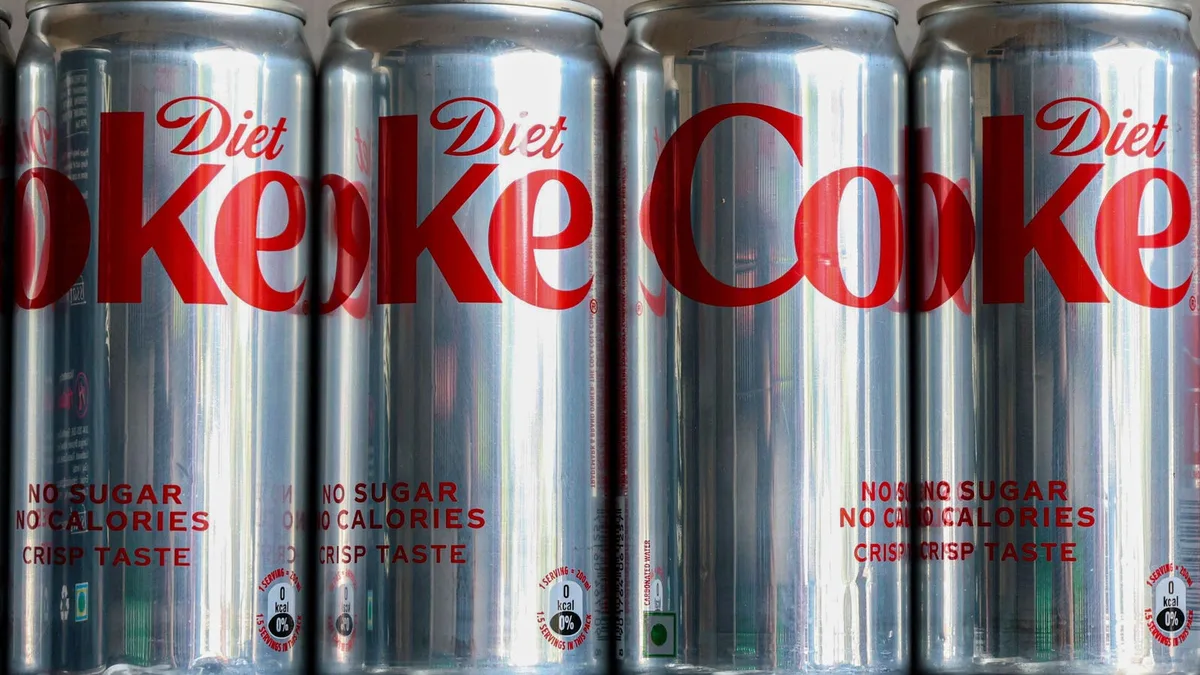
The Iran war-related supply disruptions have affected a broader region. For example, India has experienced aluminum shortages affecting canned products like Diet Coke and cooking gas scarcity, while Qatar ended helium production in March after Iranian strikes on LNG facilities threatened critical technology sectors [2, 3].
Car manufacturers such as Toyota and Hyundai have reported adverse profit impacts attributed to rising material costs and decreased sales related to these supply chain challenges [1].
Calbee’s move to black-and-white packaging is set to take effect from May 25, providing a visible marker of the ongoing ripple effects from the Iran conflict on global supply chains and domestic products in Japan [1].