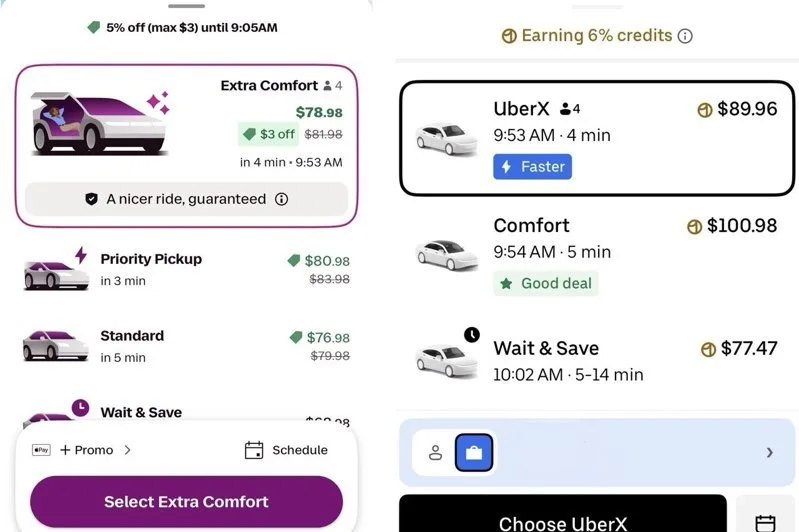
Consumer Reports conducted a study with 174 volunteers testing rides over more than 40 routes in 18 US states. They found that fares for the same route at nearly the same time could vary widely between passengers, with median price differences reaching 50% and some as high as 160% [1, 2, 3, 4, 5, 6].
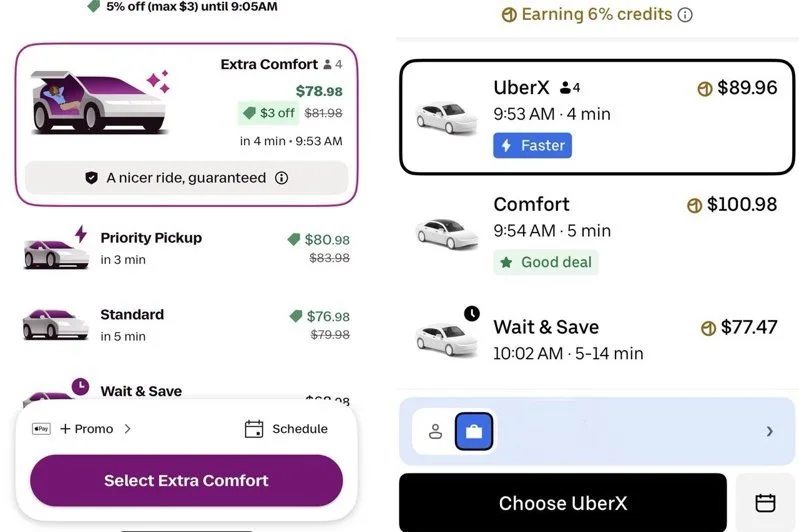
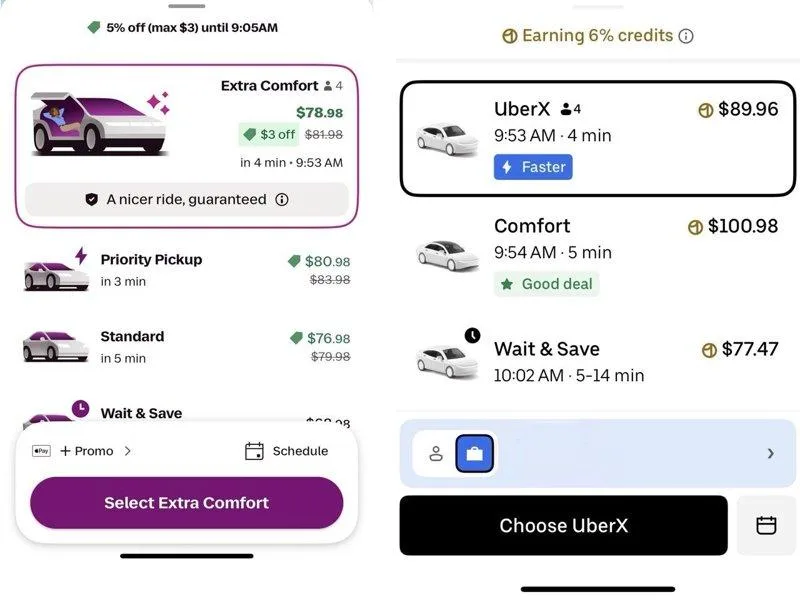
In Kansas City, Missouri, a fixed route yielded 29 distinct prices during testing, illustrating the scale of fare variation possible [1, 2, 3, 4, 6]. Meanwhile, in Austin, Texas, the price for a single route ranged from $25 to $65, a 160% difference [1, 2, 3, 4, 5]. Another test ride from Pasadena to Los Angeles International Airport showed an $11 price difference after discounts: $89.96 with Uber One versus $78.98 on Lyft [1, 2, 3, 4, 5].
Consumer Reports noted that ride-hailing platforms like Uber and Lyft hold large amounts of user data—including how quickly addresses are entered, usage habits, and inferred information such as whether a passenger may be heading to a childcare facility. Theoretically, this data could enable personalized pricing. However, no direct evidence confirmed that such personal information is used in fare calculations [1, 2, 3, 4, 5].
Both Uber and Lyft deny using personalized "surge pricing" based on individual customer data. Uber said it "never prices rides based on individual personal data" and attributed fare differences to real-time supply and demand, traffic conditions, driver availability, GPS location variations, and promotions. Lyft similarly stated fares are affected only by trip conditions, demand, and public promotions, not individual data [1].
UCLA economist Keith Chen, who previously worked on Uber’s surge pricing, said he never saw the company use personal data to determine base fares, though user data was used for discounts and promotional offers [1].
The US Congress is investigating whether Uber and Lyft use personal data for differential pricing. The Republican-led House Oversight Committee launched an inquiry in March 2026. Committee chairman James Comer warned that "using algorithms to analyze consumer data to raise prices may harm market transparency and consumer rights" [1].
A National Bureau of Economic Research study found about one-sixth of passengers compare prices across Uber and Lyft before booking. The average price difference between the two platforms is 14%, indicating shopping around can save money [1]. Experts recommend checking fares on both apps before ordering a ride to find the best deal [1, 2, 3, 4, 5, 6].
Consumer Reports published its investigation results on June 2, 2026, providing detailed data on the price disparities observed [6]. Lawmakers and regulators are expected to continue scrutiny of ride-hailing pricing practices in the coming months.