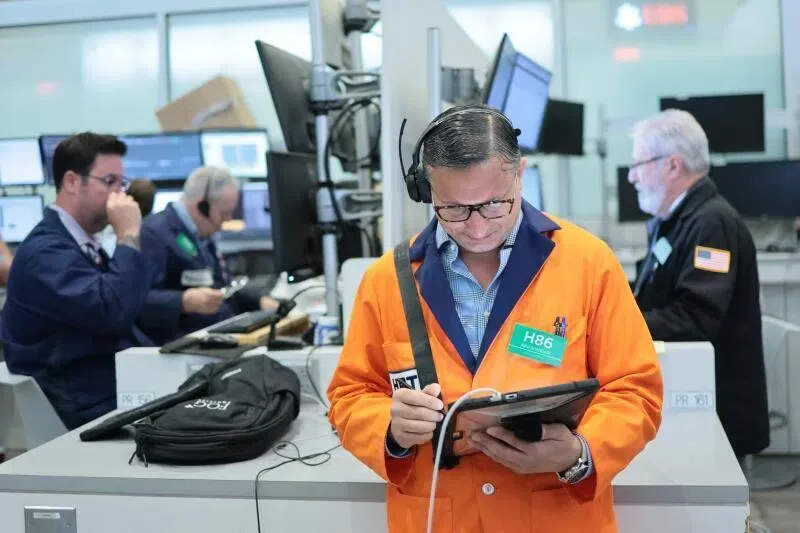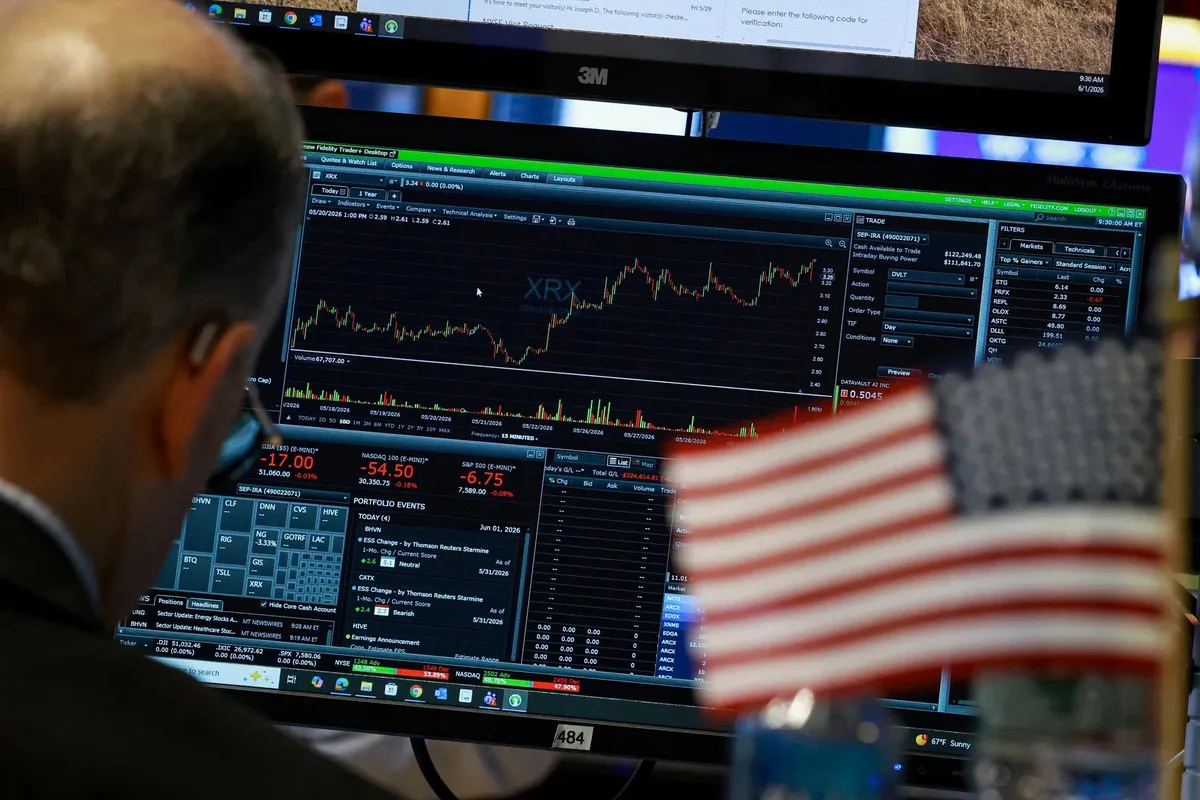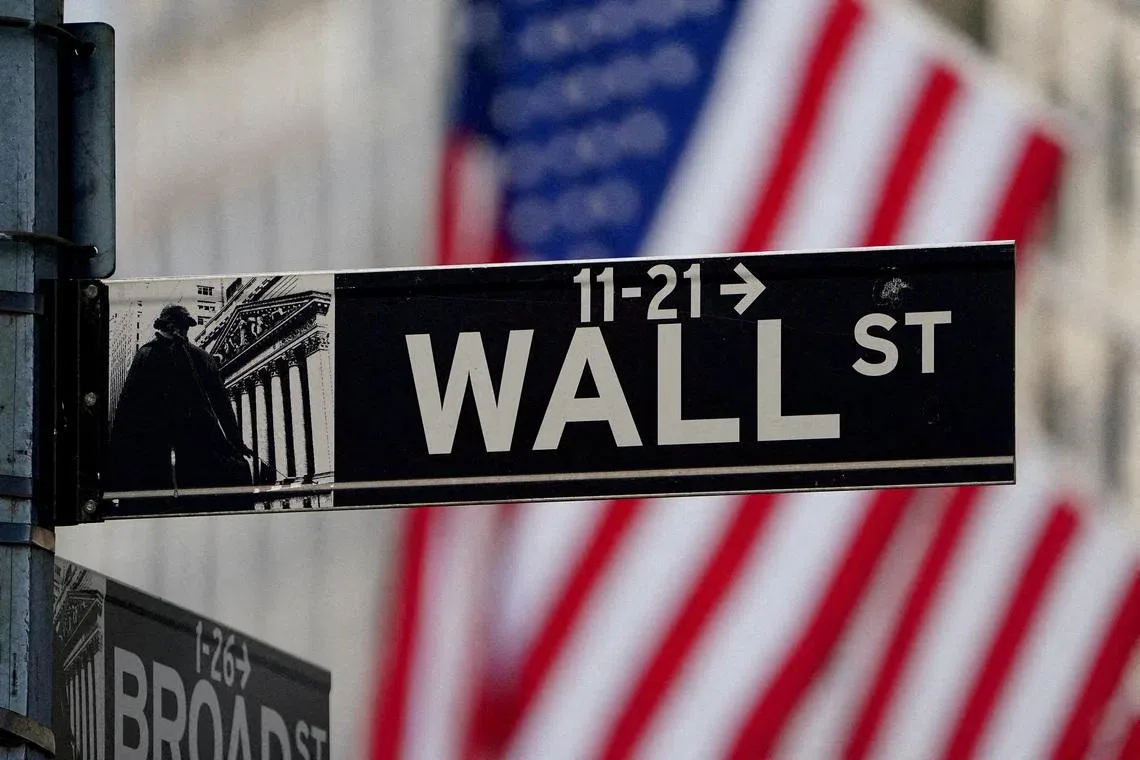
The Dow Jones Industrial Average gained 328.64 points, or 0.64%, ending at 51,999.67 on June 16, marking its second straight record close [1, 2, 3]. Meanwhile, the Nasdaq Composite fell 307.60 points (1.15%) to 26,376.34 and the S&P 500 dropped 42.94 points (0.57%) to 7,511.35 the same day [1, 2, 3]. Technology stocks led the decline, sliding 2.3% on the S&P 500, with chip shares hit hard as the Philadelphia semiconductor index plunged 5.7% [1, 2, 3]. In contrast, financials rose 1.5% and industrials added 0.7% [1, 2, 3].
Shares of SpaceX surged 4.8% to $201.80 on June 16, briefly hitting an intraday high of $225.64 and surpassing Microsoft’s market valuation [1, 2, 3]. U.S. oil futures fell 5.8% to their lowest level since early March amid details of a U.S.-Iran interim deal extending a ceasefire and reopening the Strait of Hormuz [1, 2, 3].
Investors showed caution ahead of the Federal Reserve’s policy update scheduled for the afternoon of June 17. Mark Luschini said, "We had a big move yesterday in the market. We’re just digesting some of those gains and the setup in anticipation of the Fed meeting is always a little tentative" [1]. On June 15, optimism about the U.S.-Iran peace deal had sparked rallies with the S&P 500 up 1.65% and the Nasdaq advancing over 3% [1, 2, 3].
On June 17, all three major indexes closed sharply lower following the Fed’s announcement. The S&P 500 fell 89.59 points (1.19%) to 7,421.76, the Nasdaq dropped 349.14 points (1.32%) to 26,027.21, and the Dow declined 499.18 points (0.96%) to 51,494.99 [4]. The Federal Reserve kept interest rates unchanged at 3.50%-3.75% but projected at least one rate hike by the end of 2026 in its new quarterly forecast [4]. Fed Chair Kevin Warsh stressed the need to tame inflation and committed to price stability, signaling a hawkish stance. Analyst Michael James noted, "There was clearly a hawkish tilt to the Fed’s statement and Chair Warsh’s comments at the press conference. The main takeaway, in my opinion, is the Fed’s focus on the commitment to deliver price stability and the commentary about inflation" [4]. Trader bets for a rate hike by December rose sharply, with roughly 38% expecting a 25 basis point increase and nearly 33% predicting a 50 basis point hike [4].
Despite higher gasoline prices, U.S. retail sales in May rose more than expected [4]. On the energy front, oil prices edged up on June 17 after President Donald Trump called the U.S.-Iran deal preliminary and warned the war could resume if the agreement is unsatisfactory [4].