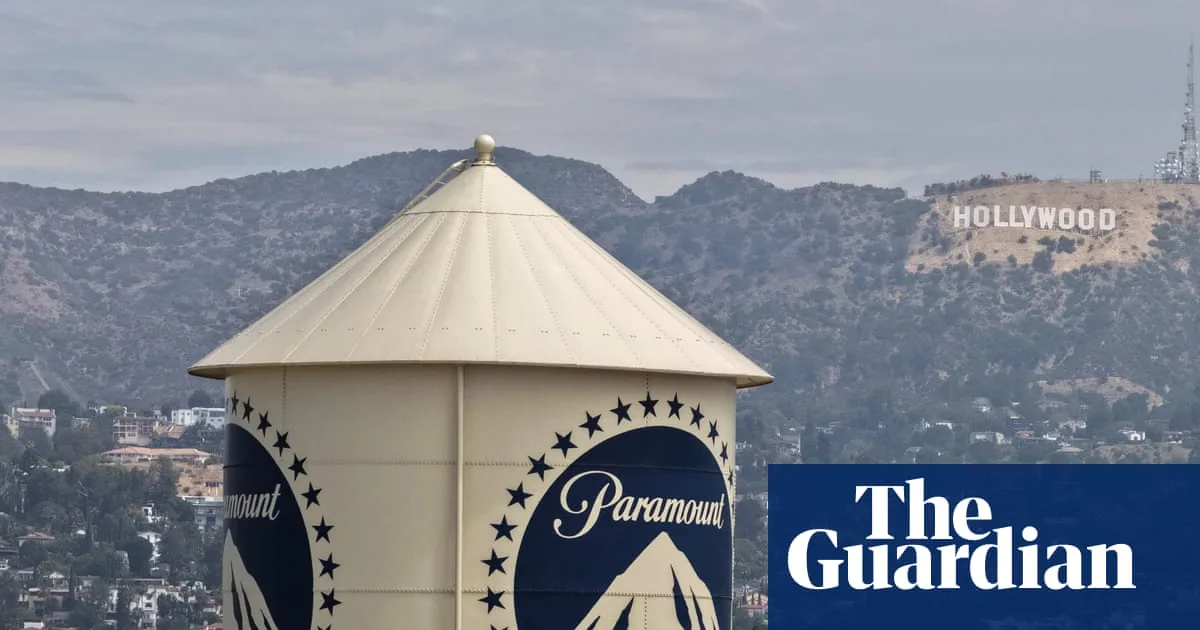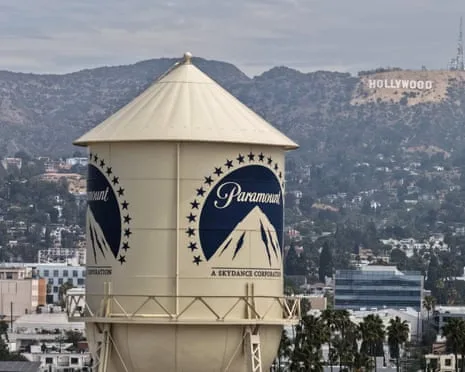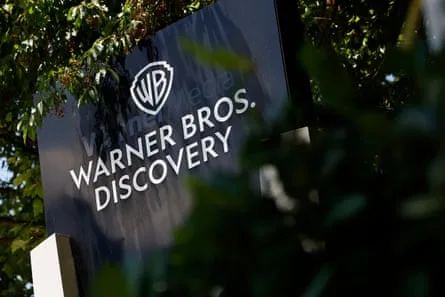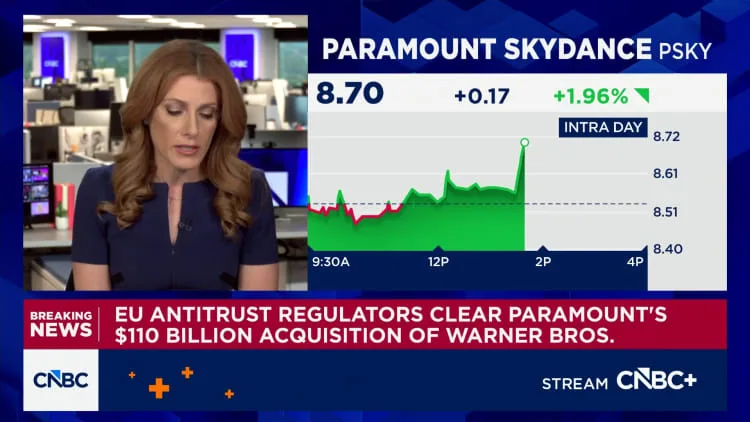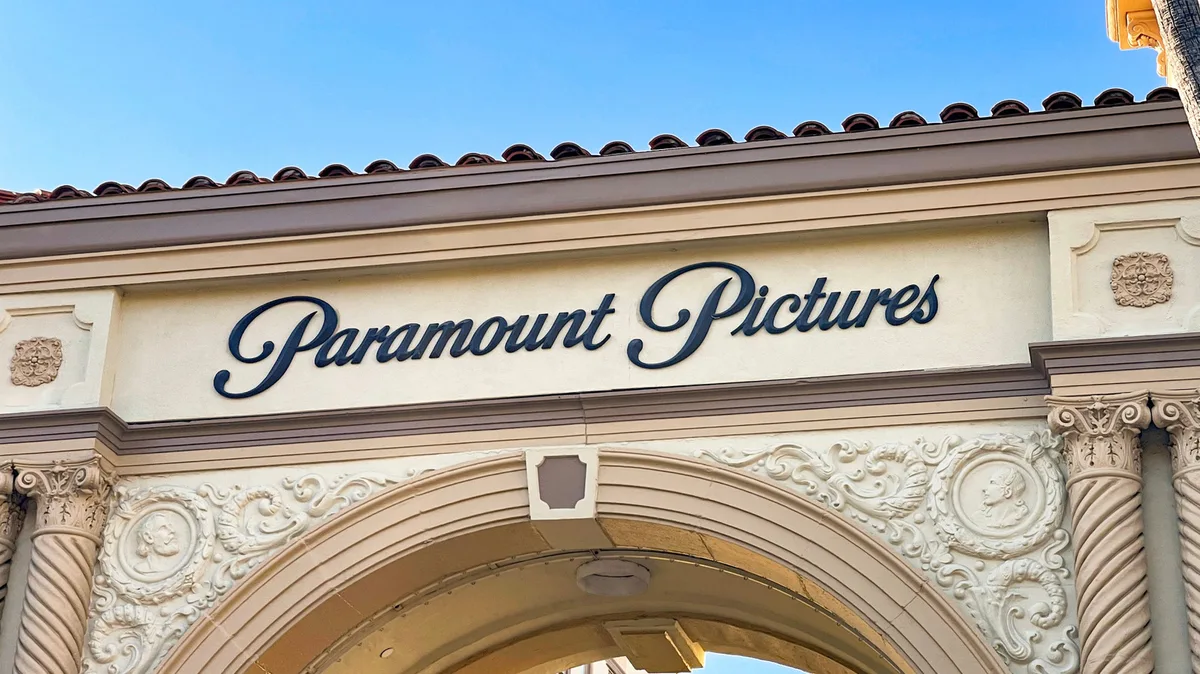
The European Commission granted conditional approval on July 22 to Paramount Skydance’s $110 billion (about £80 billion) acquisition of Warner Bros. Discovery after Paramount agreed to end its European film distribution joint venture with Universal Pictures within 13 months of the deal closing [1, 2, 3, 4]. The commission said Paramount’s commitments "fully address the competition concerns identified" by preventing joint distribution of the merged entity’s films with those of Universal or Disney, avoiding worse rental and distribution terms for cinema operators and consumers [1, 2, 3].
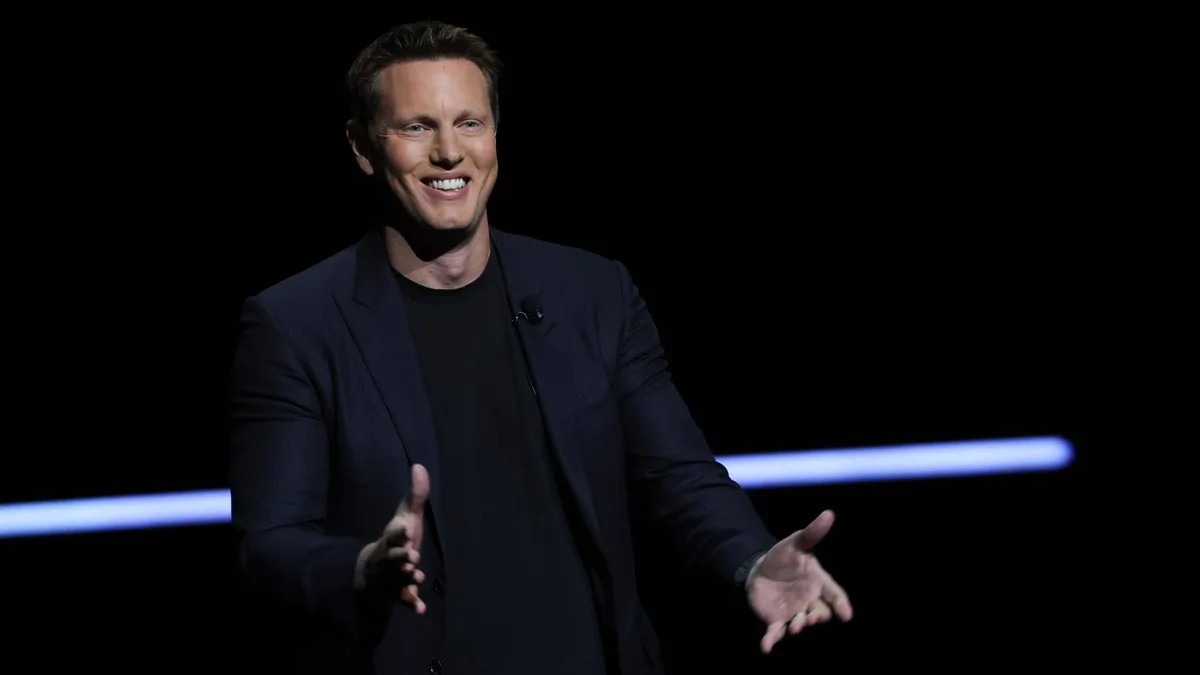
Paramount also committed not to enter into any new film distribution agreements with Universal Pictures in Europe for the next 10 years [1, 2, 3, 4]. The merger will combine major media assets including Warner Bros. Pictures, HBO Max, Paramount+, CNN, and TNT Sports, alongside key streaming platforms [1, 4]. Paramount CEO David Ellison, son of Larry Ellison, who is a close ally of former President Donald Trump, signed the deal in February after winning a bidding war with Netflix [1].
In the United States, the Department of Justice has cleared the deal, but a coalition of 12 states led by California’s attorney general filed a lawsuit arguing the merger would harm competition [1, 3, 4]. On July 20, a US federal judge issued a temporary restraining order delaying the merger for 14 days pending a hearing scheduled for August 3 [1, 3, 4]. UK regulators are also reviewing the merger over concerns related to news, children’s TV, and streaming services [1, 3].
Paramount stated the combined company would be better positioned to compete with large technology firms and increase investments in production [4]. However, if the merger is delayed past September 30, Paramount would owe Warner Bros. shareholders about £5 million ($7 million) per day in penalties for each day beyond the deadline [1, 3].
The next key event is the US court hearing on August 3 to determine whether the temporary injunction on the merger will be lifted [1, 3].