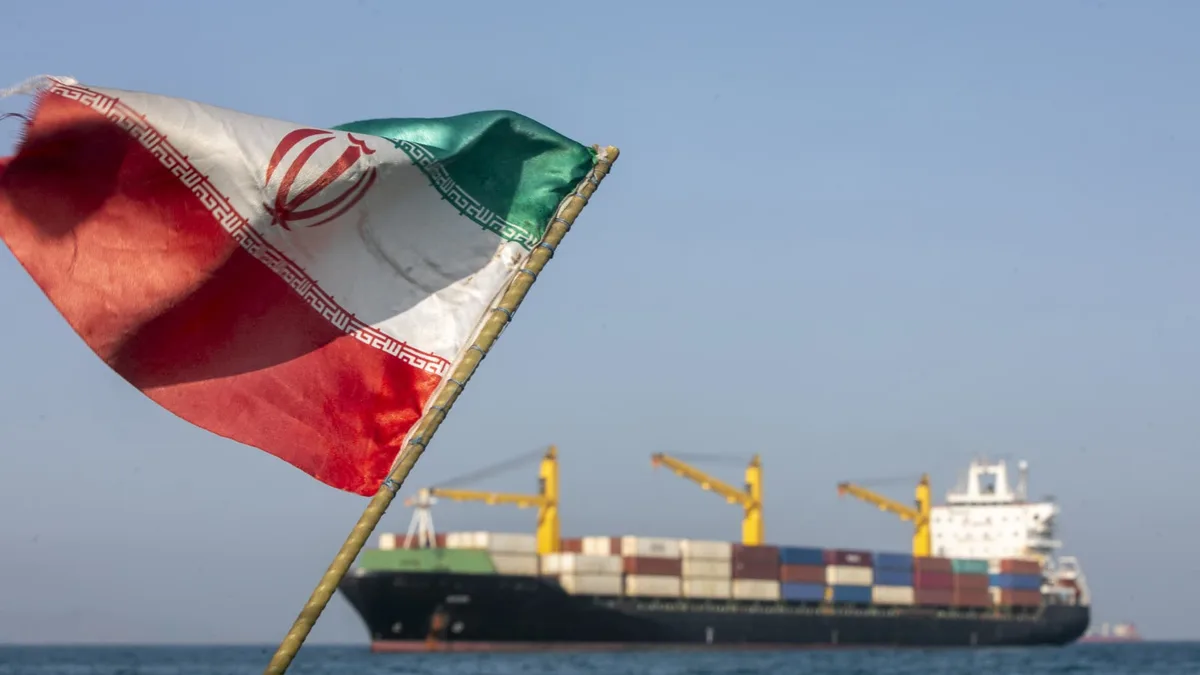
US forces conducted "self-defense" strikes on missile sites and vessels in southern Iran on May 26, targeting facilities allegedly involved in deploying mines, according to US Central Command [1, 2]. The attacks intensified tensions amid fragile US-Iran relations.
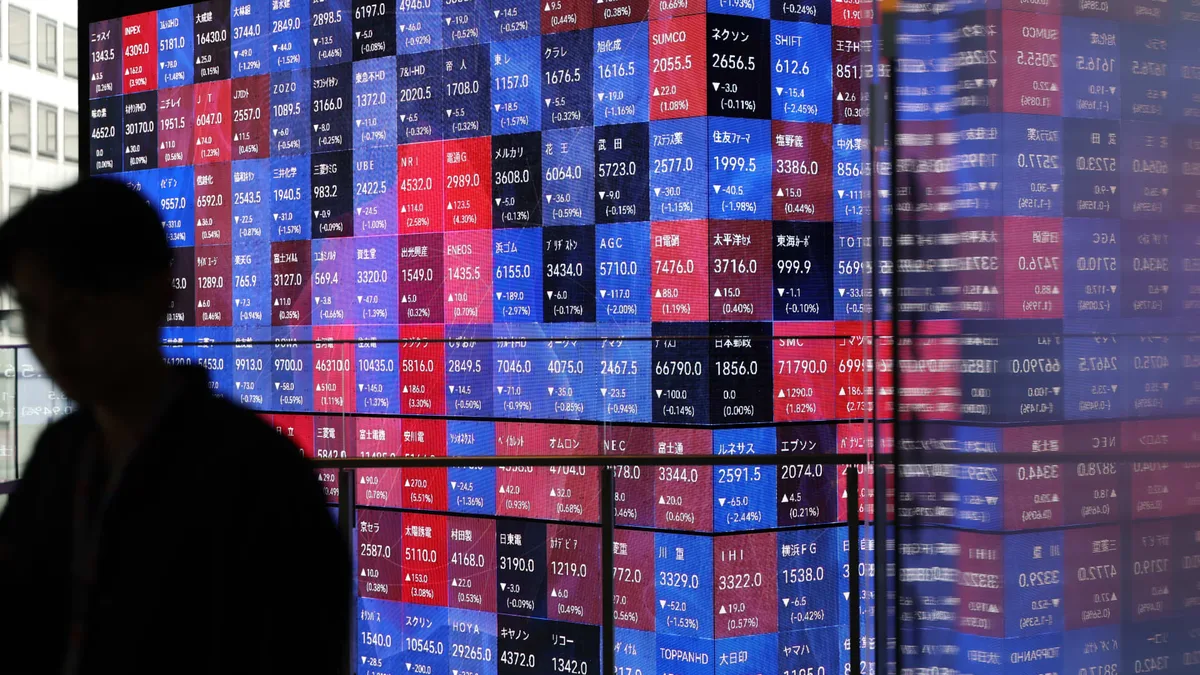
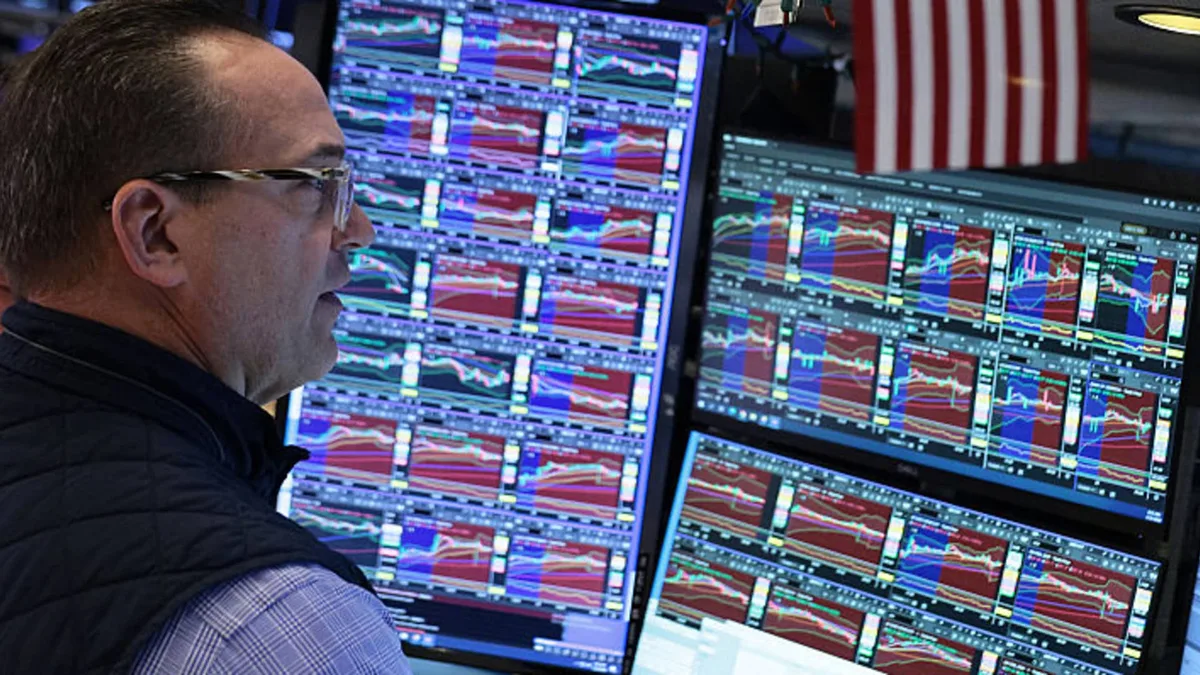
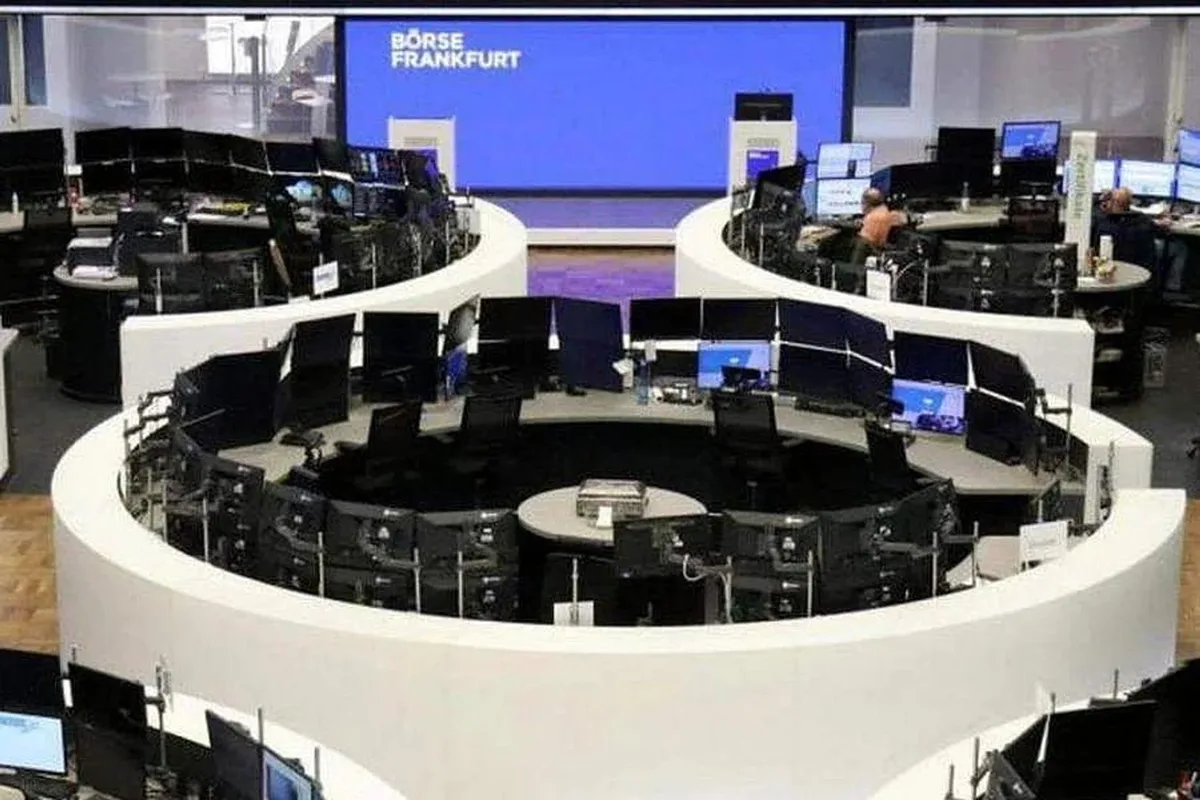
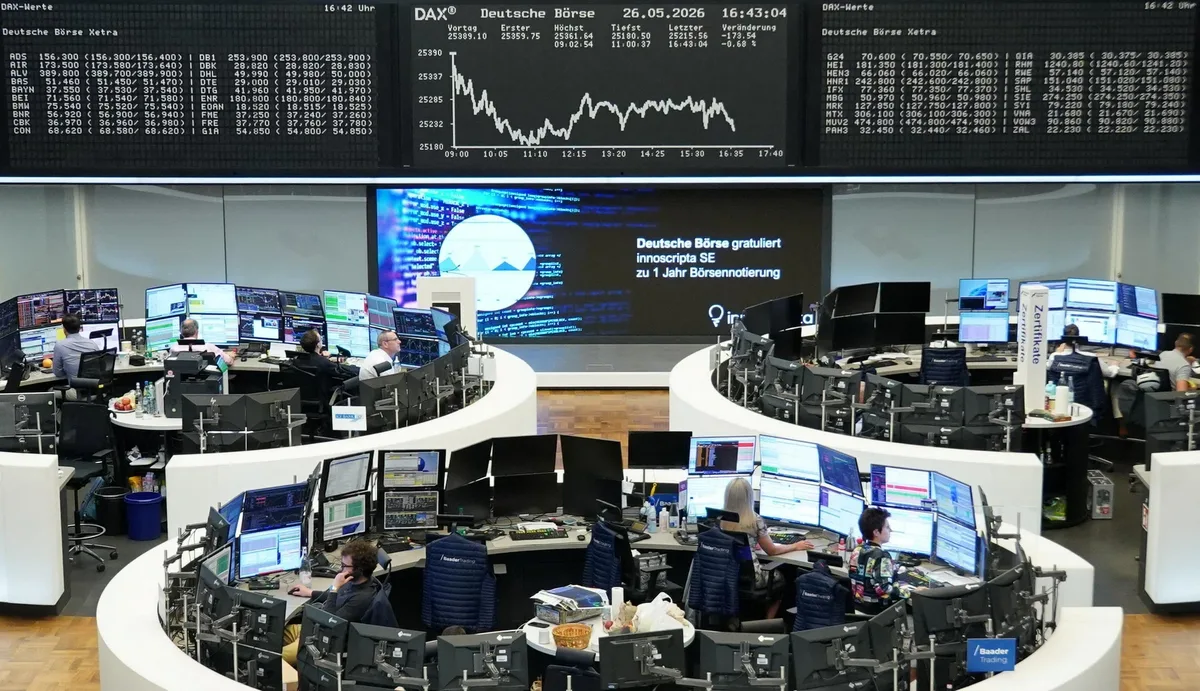
European stock markets responded with broad losses on May 26. The Stoxx 600 index closed at 628.01, while the FTSE 100 opened down 0.58% as investors weighed the risks of military escalation and ongoing peace talks [1, 3]. Major European indexes including the CAC 40, DAX, and FTSE MIB also showed declines through May 28 [1, 3, 4, 5, 6]. Asian markets were similarly affected.
Oil prices fluctuated sharply during this period. Brent crude at times surged over 2.5% to nearly $98.73 a barrel, while WTI prices dropped 4.3% before rebounding in response to conflict developments [1, 3, 5]. The spike reflected supply concerns amid instability near the Strait of Hormuz.
US Secretary of State Marco Rubio emphasized the strategic importance of the Strait, saying it "ultimately will have to be opened 'one way or the other,'" and noted that talks had made progress with a preference for diplomacy [1, 4]. Meanwhile, President Donald Trump posted on Truth Social that peace negotiations were "proceeding nicely" and a deal could be imminent, but stressed he would not permit Iran to control the Strait as part of any agreement [1, 2, 4].
Markets showed some volatility into May 27, when some European indexes recovered slightly despite Iran accusing the US of violating a ceasefire [2]. However, fresh US strikes on May 28 renewed investor concerns. Australian shares fell to a one-week low with the S&P/ASX 200 closing at 8592.90, as higher oil prices and conflict worries worsened risk sentiment [4, 7, 5, 6]. Luke Winchester, a portfolio manager, said resolving the Middle East conflict is key before the index can revisit higher levels around 9,000 [7].
Reports on May 28 from Axios indicated the US and Iran had "mostly agreed" on terms for a temporary ceasefire deal pending US presidential approval, which briefly calmed markets [6, 8]. However, Iran continued hostilities by firing ballistic missiles toward Kuwait and deploying drones near the Strait of Hormuz that same day [8].
Technology stocks in Europe fared better, with French semiconductor supplier Soitec rising sharply after strong sales reports during the period [5, 6]. Meanwhile, investors priced in a 90% chance the European Central Bank will raise interest rates by 25 basis points in June due to inflation concerns, with further hikes expected later in 2026 [3, 6].
Disagreement arose over a Reuters report claiming Tehran had committed to restoring commercial traffic through the Strait of Hormuz within one month of a deal, which the White House called "a complete fabrication" [4].
The next major event for markets will be the ECB's June meeting, where a likely rate hike could influence investor sentiment amid ongoing geopolitical risks [3, 6].