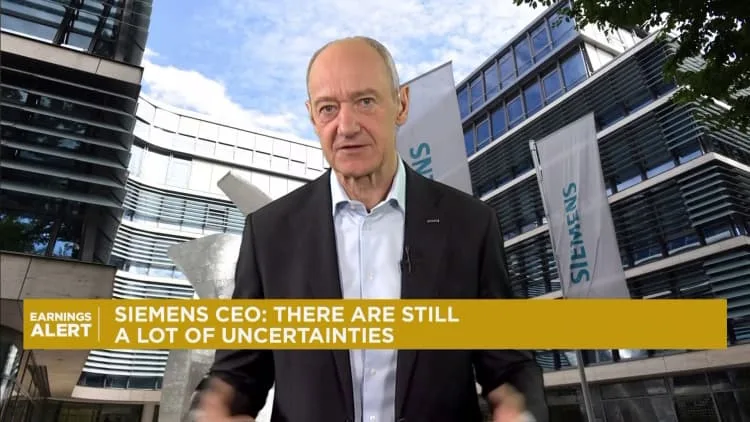
European stocks rebounded on May 13, with the Stoxx Europe 600 Index rising about 0.8%, led by strong gains in technology and life sciences sectors [1]. Merck KGaA shares surged 6.8%, reflecting strong momentum in life sciences, while ASML Holding NV rose 4.8% driven by gains among Korean chipmakers [1]. Siemens bolstered investor confidence by announcing a €6 billion ($7.04 billion) share buyback program over five years after reporting a first-quarter net profit of €2.03 billion [2].
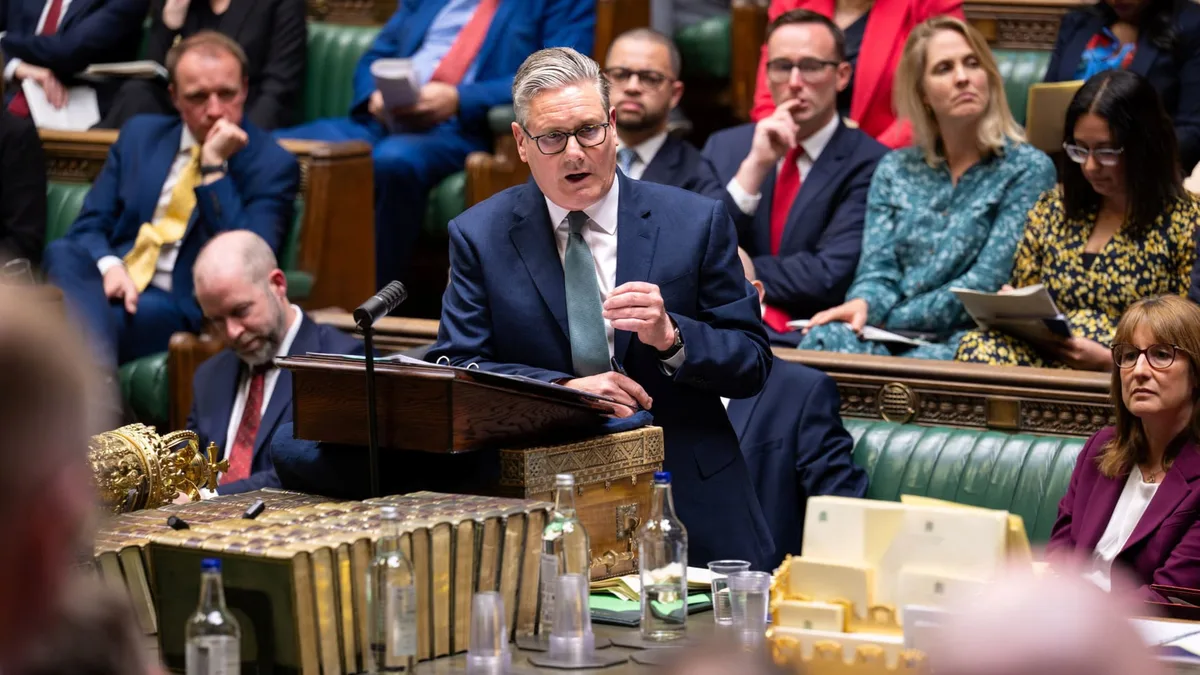
This rebound followed a decline on May 12 when European markets fell amid concerns over a possible US-Iran war and mounting political instability in the United Kingdom [2]. Political pressure intensified for UK Prime Minister Keir Starmer after poor local election results, prompting some junior ministers to resign and raising the possibility of leadership challenges [2, 3]. At a cabinet meeting May 12, Starmer said he would not resign and declared, "I would get on with governing" [2].
On May 14, markets were expected to open higher despite ongoing UK political turbulence and US President Donald Trump's visit to China [3]. That day, Trump met Chinese President Xi Jinping and expressed optimism, saying the relationship between the two countries will be "better than ever before" [3]. Meanwhile, reports surfaced that UK Health Secretary Wes Streeting was preparing a leadership bid against Starmer [3].
Predictions called for small openings gains in major European indices on May 13 and 14, including the UK FTSE, Germany DAX, France CAC 40, and Italy FTSE MIB [2, 3]. The UK 10-year government bond yield stood at 5.11% amid the uncertainty [2].
Investors are closely watching ongoing political developments in the UK and diplomatic shifts in US-China relations as Europe tries to sustain positive earnings momentum. The share buyback plan and strong corporate profits reported by Siemens offer additional support to markets. Markets will likely track further leadership developments in London and progress on US-China engagement in the coming days.