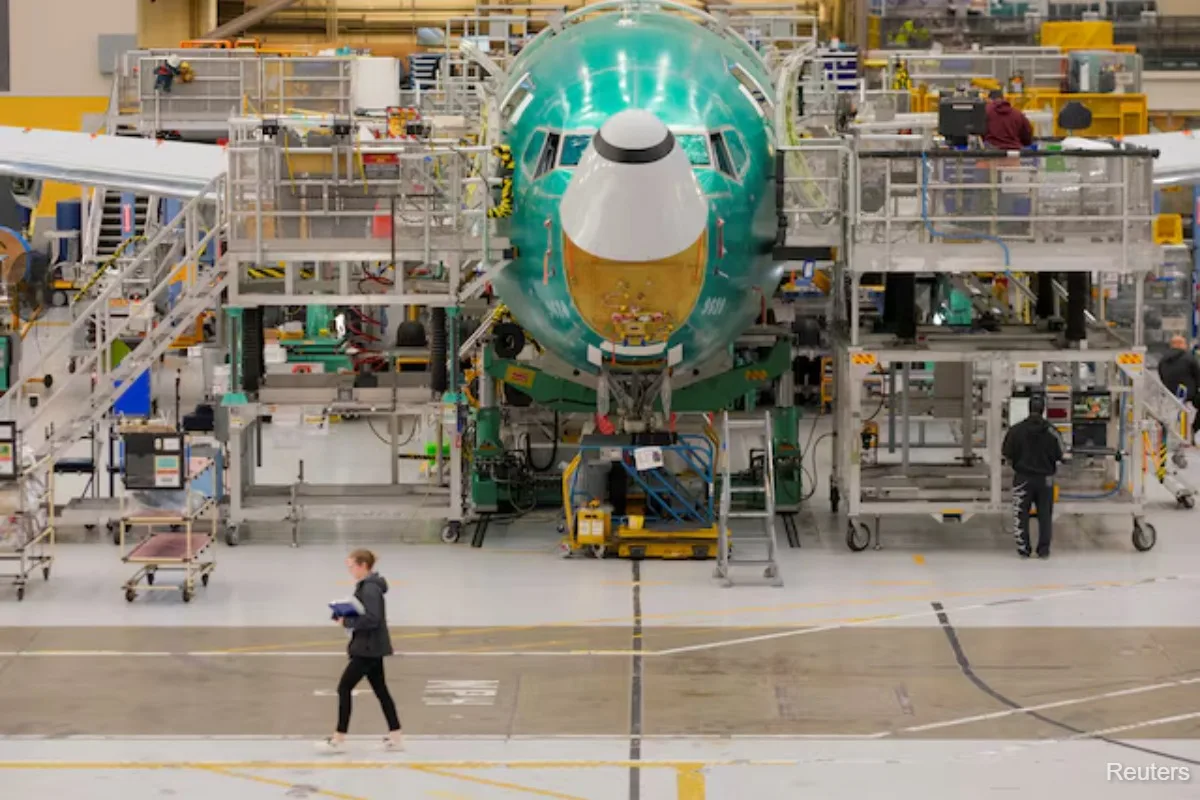
The US Federal Aviation Administration (FAA) issued a proposed airworthiness directive on July 27, 2026, requiring inspection of seats on 453 Boeing 737 MAX jets registered in the US. The directive addresses concerns that some passenger seat assemblies may have been incorrectly installed on seat tracks, potentially leading to safety hazards during flight operations [1, 2, 3, 4, 5, 6, 7].
Incorrectly installed seats could disengage from their tracks during conditions such as turbulence, increased load, or an emergency landing. This could injure passengers or crew and may block aisles, slowing evacuation in an emergency [1, 2, 3, 4, 5, 6, 7]. Each affected jet could have up to 69 track-mounted passenger seat assemblies requiring inspection and possible correction [1, 2, 3, 5, 8, 9, 6, 7].
Fixing each seat assembly is estimated to take about one work hour and does not require replacement parts [1, 2, 3, 5, 8, 9, 6, 7]. The FAA’s jurisdiction covers only US-registered planes, but regulators in other countries often follow FAA directives if applicable [1, 2, 3, 4, 5, 8, 9, 6, 7].
Boeing issued guidance to operators on the seat installation issue in December 2025, before the FAA proposal. A Boeing spokesperson said the company supports the FAA making that guidance mandatory [1, 3, 4, 5, 6, 7].
This directive follows broader FAA scrutiny of Boeing production quality problems revealed since early 2024. In January 2024, a door plug panel blew out of a nearly new Alaska Airlines 737 MAX in flight, raising concerns about manufacturing consistency [1, 2, 3, 4, 5, 6, 7].
The proposed directive does not specify a deadline by which airlines must complete the inspections and any needed corrections [1, 2, 3, 5, 6, 7].