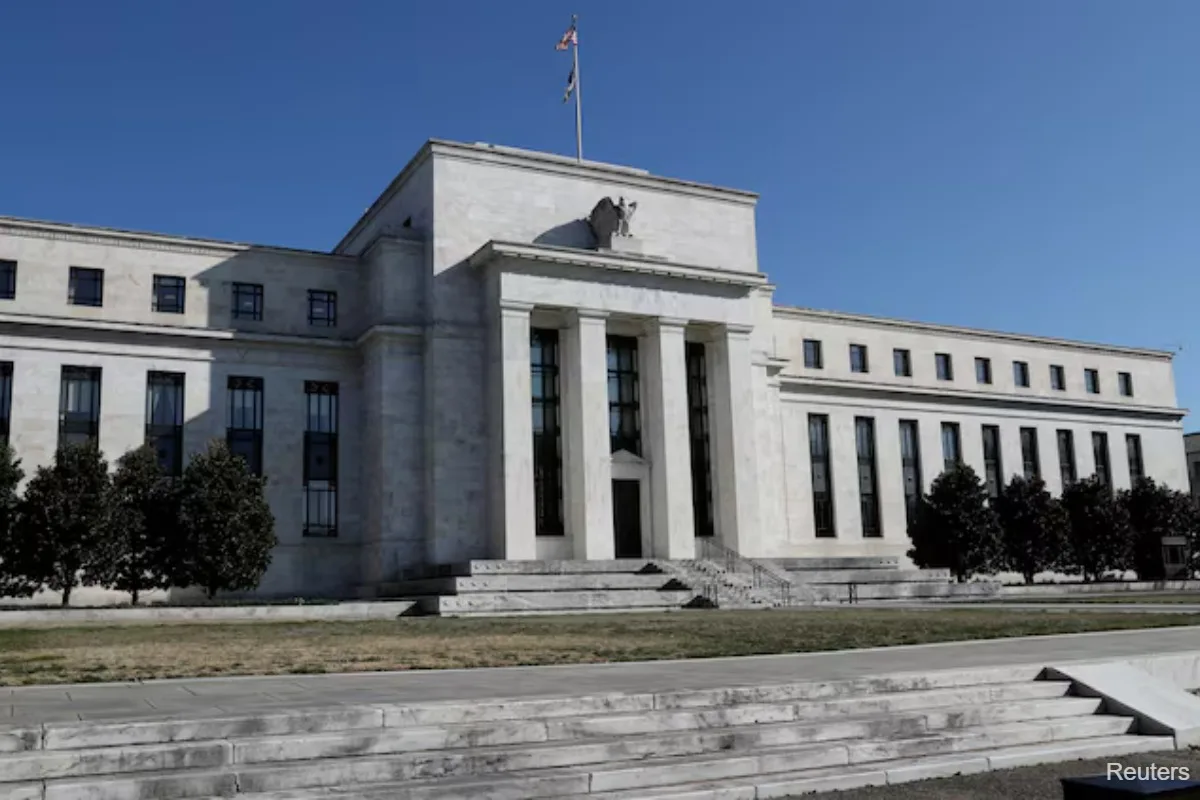
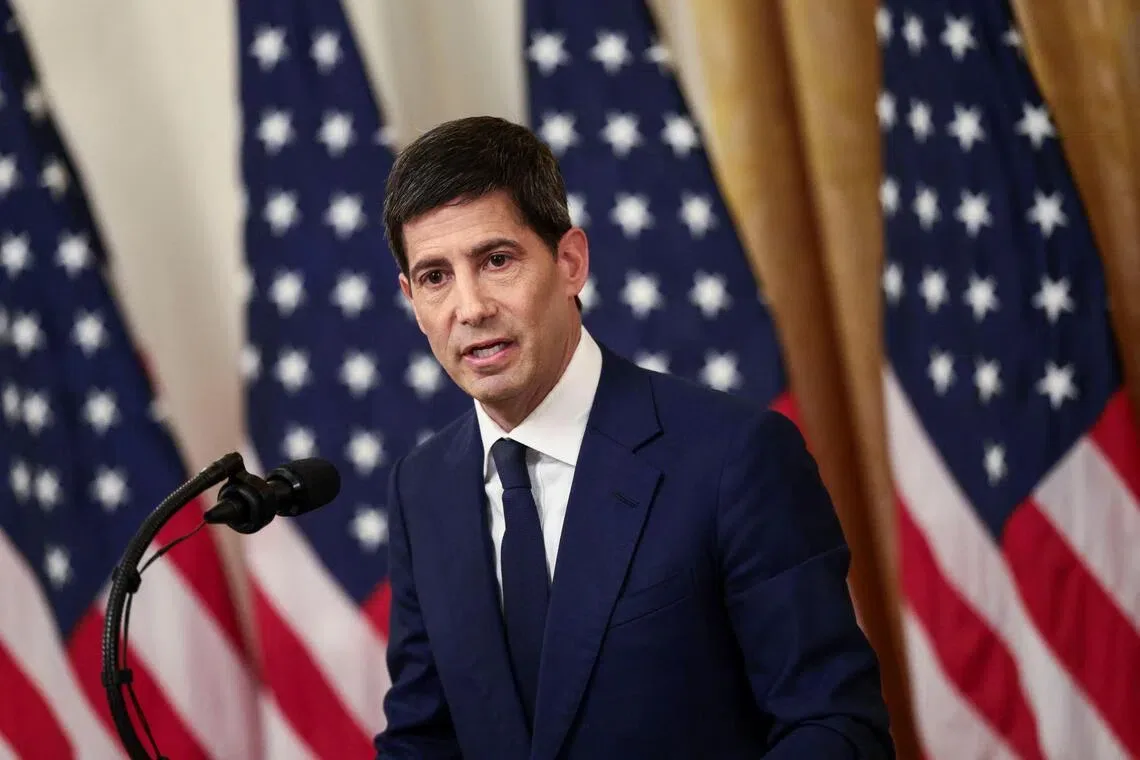
Kevin Warsh started his tenure as US Federal Reserve chairman on June 1, 2026, amid an economy buoyed by an AI investment boom but strained by inflation driven by rising energy prices related to the Iran war [1, 2, 3]. The Federal Reserve's Beige Book released on June 3 reported widespread inflation growth across most US regions from late April to late May, particularly fueled by energy costs that spilled over into shipping, packaging, grocery, and fertilizer sectors [1, 2, 3].
The Beige Book indicated a stagflationary environment marked by weakening consumer demand alongside rising cost pressures [1, 2, 3]. Consumers responded with higher credit card use, fewer retail visits, and stronger demand for necessities. A Kansas City Fed contact said, "Middle-income households are squeezing more life out of every dollar before deciding to spend it," illustrating strains from higher gas and commodity prices [1].
Nine of the Fed’s 12 regional banks cited data center construction as a major driver of AI-related investment and labor demand, demonstrating pockets of growth amid economic tensions [1, 2, 3]. US inflation has remained above the Fed's 2% target for more than five years, adding pressure on policy decisions [3].
Heather Long, chief economist at Navy Federal Credit Union, said, "The latest warning sign that inflation is quickly turning into a sticky problem...New Fed chair Kevin Warsh has to come out at the June meeting showing his firm commitment to containing inflation," reflecting expectations of a tough stance going into the June 15-16 Fed meeting [1]. Dallas Fed president Lorie Logan stated, "I am increasingly concerned that higher interest rates could be necessary later this year," despite ongoing AI-driven economic growth [1].
Interest-rate futures placed about a 75% chance the Fed would raise rates by 0.25% to reach a 3.75%-4.00% range by the end of 2026 [1]. Warsh’s first policy meeting is scheduled for mid-June, where markets anticipate decisions addressing inflation while weighing the impact of the AI sector's expansion [1, 2, 3].