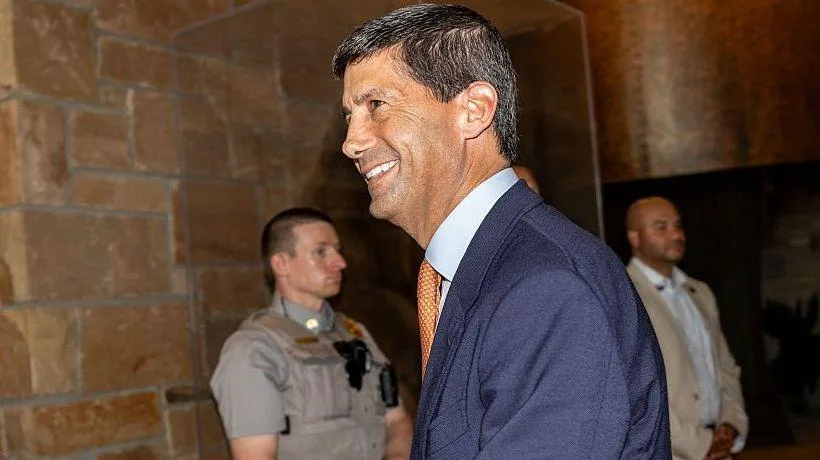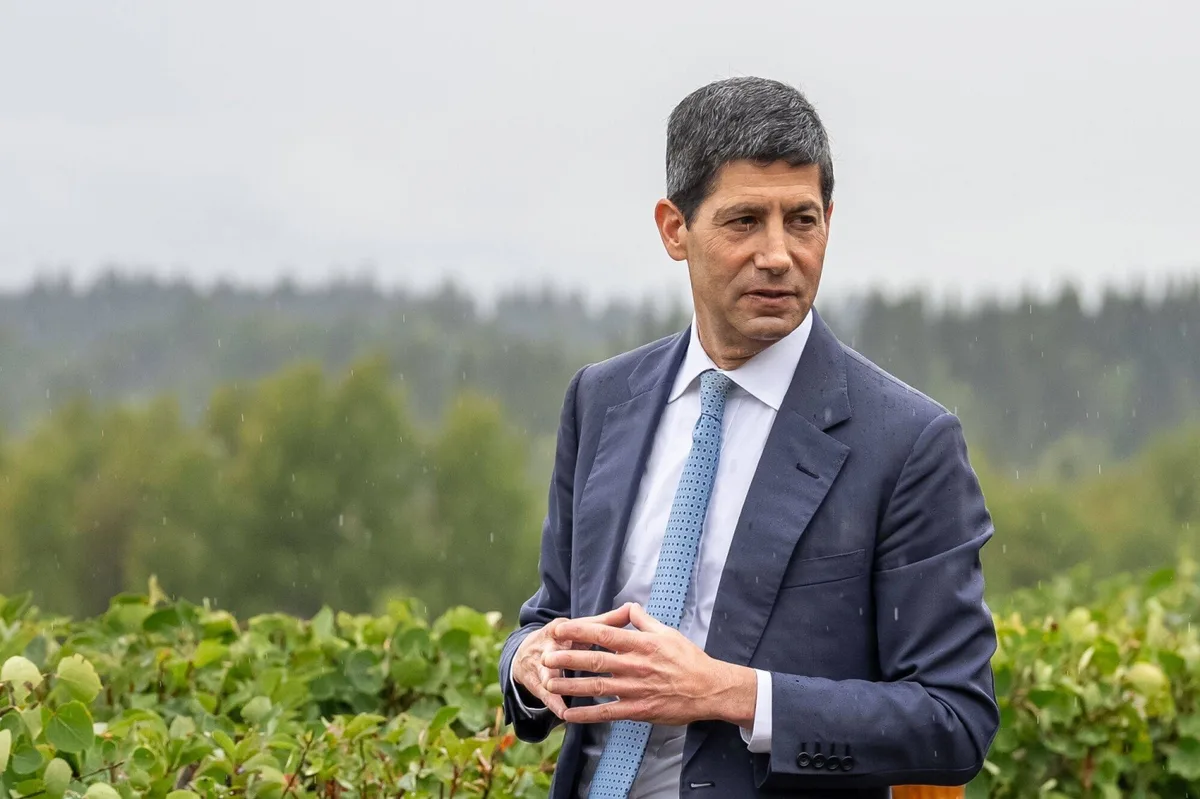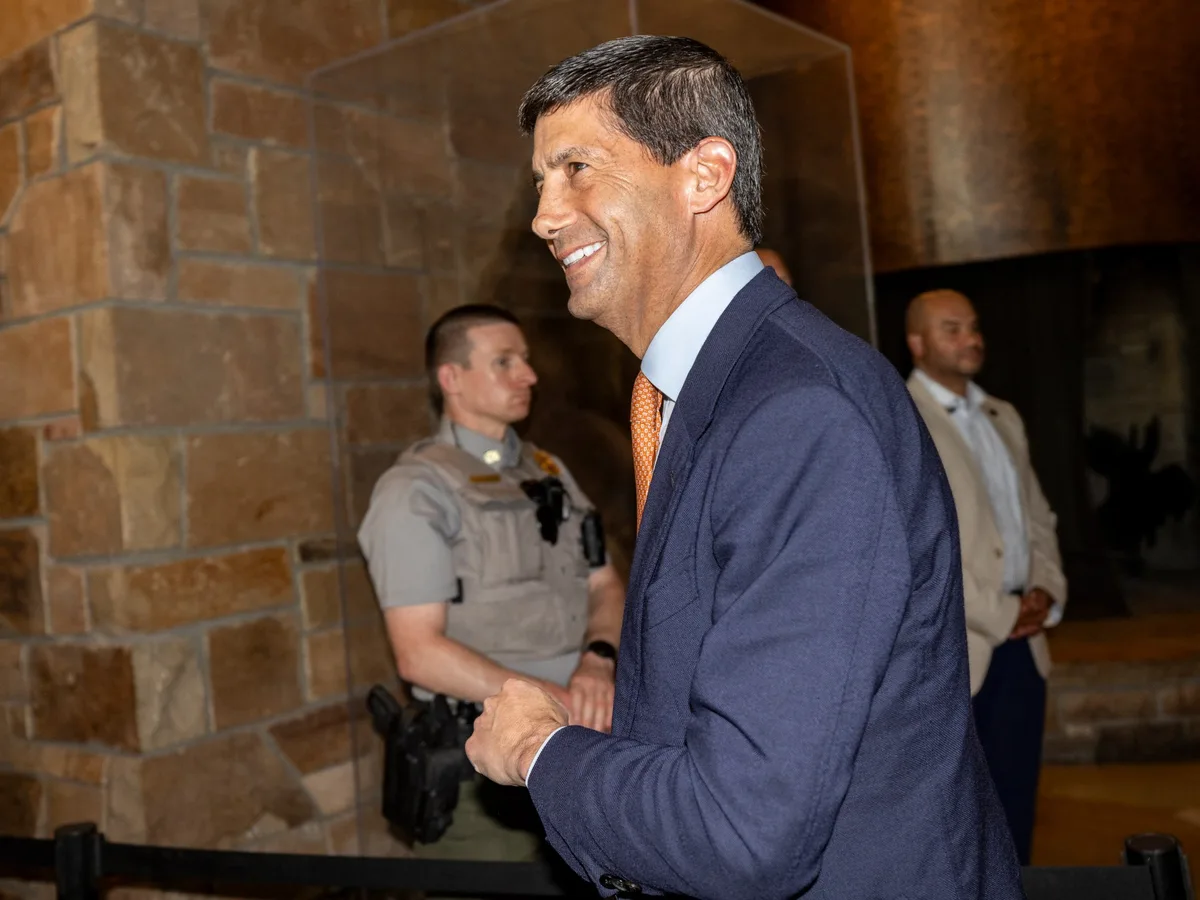
Federal Reserve Chairman Kevin Warsh delivered his first major speech as Fed Chair at the Jackson Hole Economic Policy Symposium on August 28, 2026, signaling the Federal Reserve’s readiness to raise interest rates if inflation does not clearly move toward its 2% target [1, 2, 3, 4, 5]. Warsh said, "Here is my standard: We must be confident that underlying inflation is moving to our objective, clearly and at sufficient speed. Otherwise, we have work to do" [1].
US inflation data for July showed the Consumer Price Index rose 3.4% year-on-year, well above the Fed’s target, while the Personal Consumption Expenditures Price Index—a preferred measure—was even higher at 3.7% annual growth [1, 2, 3, 4, 5]. Warsh described progress on inflation over the past two years as modest, noting recent data have not demonstrated meaningful underlying improvement. He stated, "While this summer's personal consumption expenditures and consumer prices index readings were better than expected, they do not tell me that underlying trends have meaningfully improved" [1, 4, 5].
Warsh reinforced that short-term interest rates remain the Fed’s main tool to manage inflation and the broader economy [3, 4]. He also criticized the overuse of forward guidance, adding, "I believe that the practice [of forward guidance] has overstayed its welcome," citing the risks it poses to policy flexibility [1, 2].
The labor market remains strong, with a historically low 4.1% US jobless rate, according to recent figures shared by Warsh [5]. He acknowledged artificial intelligence as a fast-developing general-purpose technology with significant economic impact [3, 5].
At the Fed’s July meeting, interest rates were held steady at a range of 3.5% to 3.75%, but market expectations for a September hike have increased since Warsh’s speech, with the CME Group FedWatch tool showing about a 57% chance of a 25 basis point increase [1, 4, 6, 7]. The Fed’s next interest rate decision is scheduled for September 15-16, closely following the release of August inflation data on September 11, which will be closely watched for signs of inflation trends ahead of the meeting [8, 6, 7].