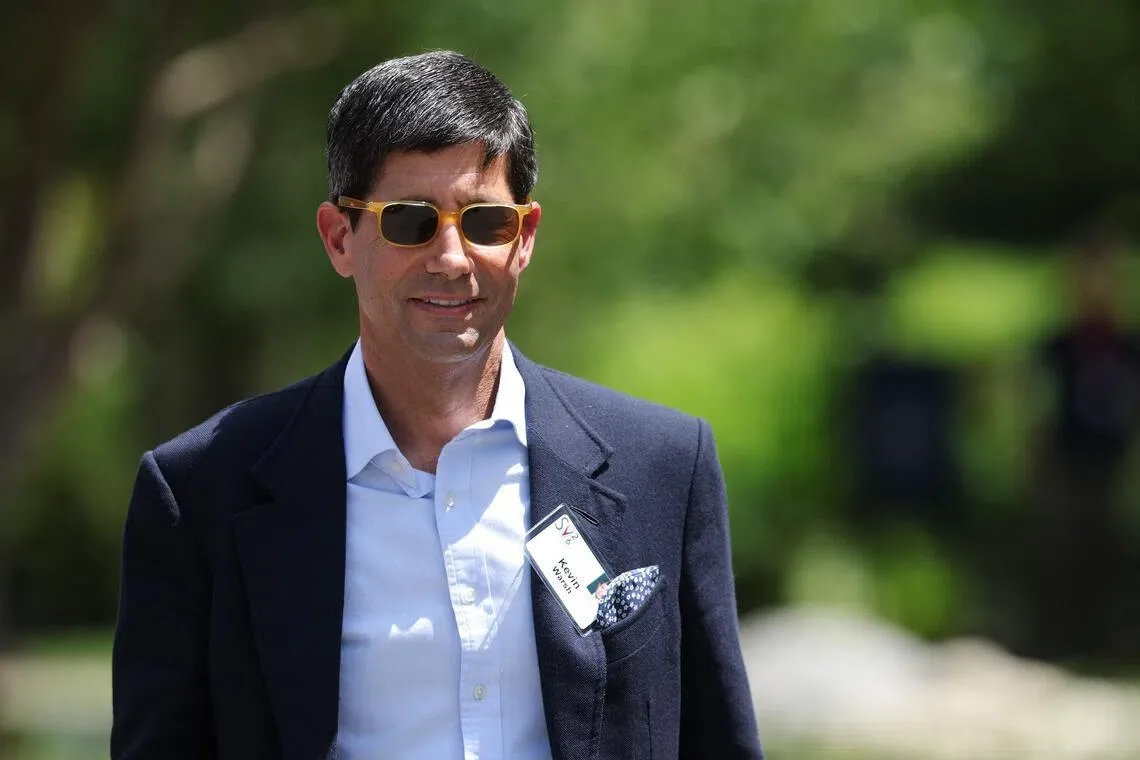
Federal Reserve Chairman Kevin Warsh announced the leadership of five task forces to review the Fed's policymaking approach, focusing on communication, the $6.7 trillion balance sheet, data use, productivity and employment, and inflation frameworks [1, 2, 3, 4]. Warsh named a diverse group including prominent academics, former central bankers such as Mervyn King and Arminio Fraga, and corporate executives like Doug McMillon to lead the initiatives [1, 3, 5].
Warsh, who became Fed Chairman in May 2026, emphasized a goal to improve the Fed's tools and methods. He said, "Each task force will carefully consider whether policymakers’ means and methods, analytical tools and policy approaches can be improved upon," adding, "The goal is straightforward: to ensure the Fed is best positioned to achieve our objectives in this consequential time" [1].
The task forces are supported by Fed staff and are expected to deliver their conclusions by December 31, 2026 [1, 2, 4]. The reviews come as the Fed balances a large balance sheet and evolving economic conditions. The $6.7 trillion balance sheet is a major focus area amid ongoing debates on policy normalization [1].
Some reports mention a possible sixth task force focusing specifically on AI's economic impact, though this remains less certain. Warsh noted AI adoption as "perhaps the most important economic, business, and household change" of his adult life [4]. Nevertheless, the Fed's Federal Open Market Committee remains cautious about timing and size of AI-driven productivity gains [4].
The Fed's next interest rate meeting is scheduled for late July 2026, with expectations to keep rates unchanged ahead of the task forces’ final reports [4].