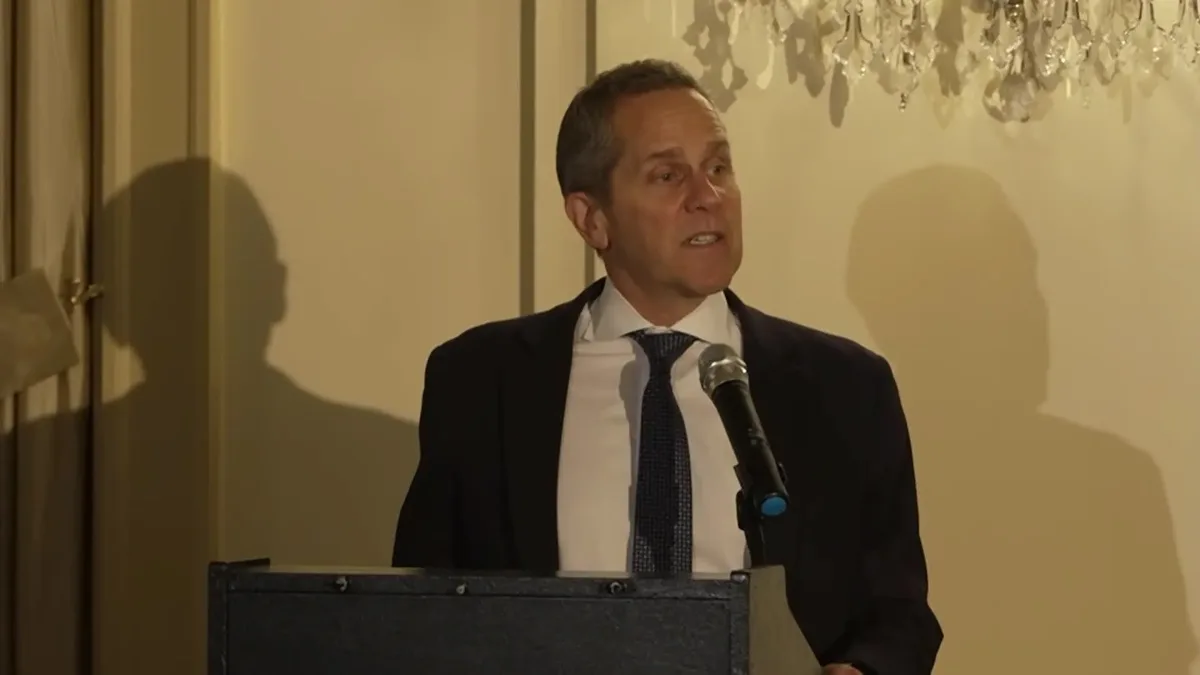
Federal Reserve Governor Michael Barr stated on May 14, 2026, that shrinking the Fed's balance sheet should not be the primary goal and warned against proposals to reduce banks' liquidity requirements as a way to shrink Fed holdings. He said such proposals would undermine bank resilience, disrupt money market functioning, and ultimately threaten financial stability [1, 2].
Barr highlighted that the Fed's balance sheet grew significantly during the pandemic when purchases of Treasury and mortgage bonds more than doubled the holdings to $9 trillion by summer 2022. Since then, the Fed has reduced the balance sheet by over $2 trillion [2].
He emphasized that the size of the balance sheet is a poor measure of the Fed's footprint in financial markets and that the Fed’s effectiveness at implementing monetary policy matters more. "Some would actually increase the Fed's footprint in financial markets," Barr said, addressing misconceptions about shrinking the balance sheet through liquidity rule changes [2].
Barr also warned that lowering liquidity requirements would increase risks for banks needing Fed liquidity facilities during stress scenarios. Drawing from the 2023 bank stress experience, he argued that liquidity requirements should be raised rather than lowered. "If anything, the bank stresses of 2023 suggest that liquidity requirements should go up and not down," he added [2].
His comments come amid speculation about a leadership change at the Fed, with Kevin Warsh expected to become Fed Chair. Warsh has been critical of the large Fed balance sheet and the asset purchase programs that expanded it [2].