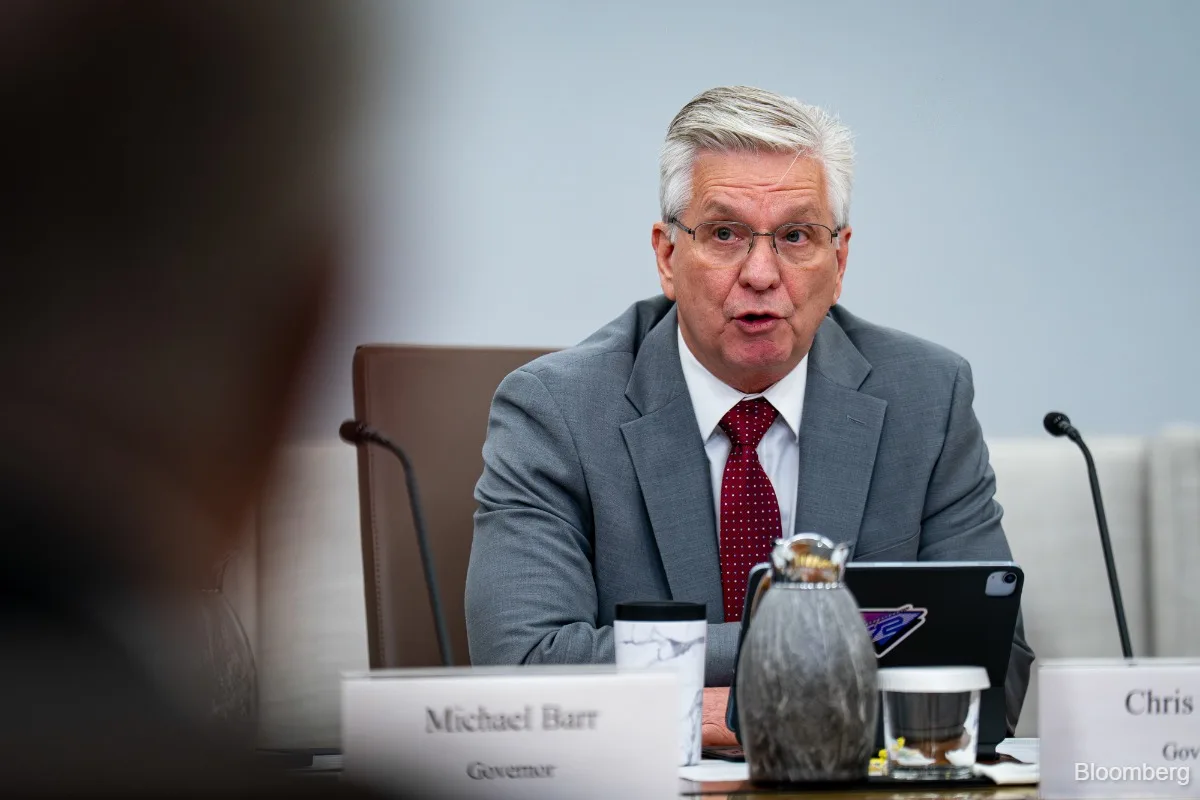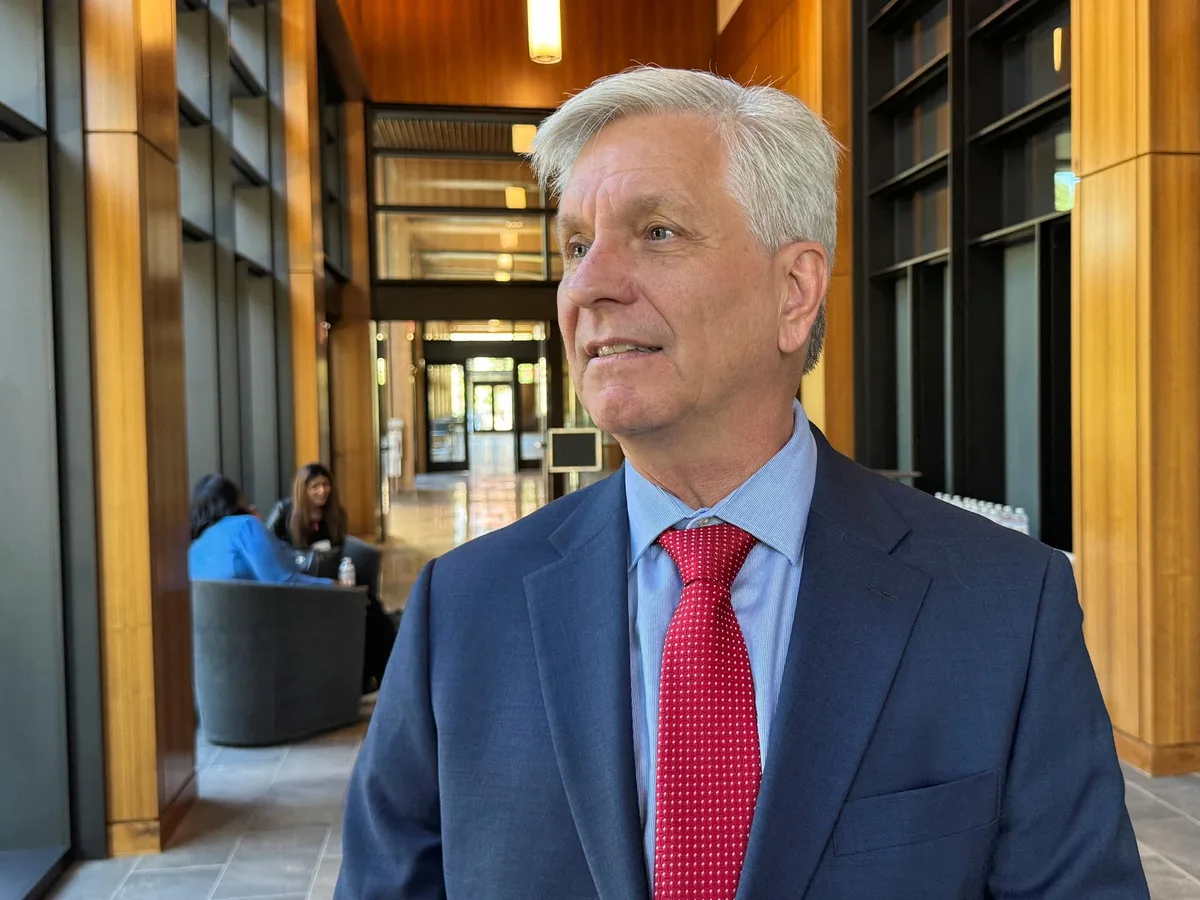
Federal Reserve Governor Christopher Waller said on May 22 that he supports clarifying the central bank’s stance to reflect that the next interest-rate move is equally likely to be an increase or a cut [1, 2]. He spoke at a conference in Frankfurt, warning that he can no longer rule out future rate hikes if inflation does not ease soon [1, 2].
Waller highlighted that the recent energy shock caused by the war in Iran is driving prices higher and shaping the Fed's outlook on both inflation and interest rates [1, 2]. He noted, "Inflation is not headed in the right direction" and expressed concern that inflation expectations could become unanchored [1].
At the April Federal Open Market Committee meeting, the federal funds rate was kept unchanged in the 3.5% to 3.75% range. However, three policymakers dissented against language suggesting an easing bias, signaling caution about future rate cuts [1, 2]. Minutes from that meeting revealed that the majority warned rates may need to rise if inflation remains persistently above the Fed’s 2% target [1, 2].
Since April, stronger-than-expected employment numbers and quicker inflation growth have increased risks of sustained price pressures [1, 2]. Waller described the labor market as stabilizing though not booming and said the current rate is having a restrictive effect on the economy [2]. He said if inflation expectations loosen, "I would not hesitate to support an increase in the target range for the federal funds rate" [2].
Still, Waller emphasized that raising rates immediately would be premature. "It is time to simply sit and watch how the conflict and the data evolve," he said, pointing to uncertainty from the Iran war’s impact [1, 2].
The Fed’s next policy meeting will provide further guidance as officials gauge inflation trends and economic data amid ongoing global risks.