The Federal Open Market Committee (FOMC) met on June 16-17, 2026, where several officials pushed for an interest rate increase due to inflation pressures from the Middle East conflict, tariffs, and growing demand driven by artificial intelligence investments. Despite these concerns, the committee voted unanimously to keep the federal funds target rate steady at 3.5% to 3.75% [1, 2, 3, 4, 5, 6, 7].
Inflation remained above the Fed’s 2% target, reaching 3.4% in May’s core personal consumption expenditures index. Pressures came from higher energy prices linked to an ongoing Middle East war, tariffs on imports, and AI-related infrastructure spending. These factors elevated prices across transport, petrochemicals, and agricultural inputs, spreading broadly into goods and services [1, 2, 3, 8, 4, 5, 6, 7].
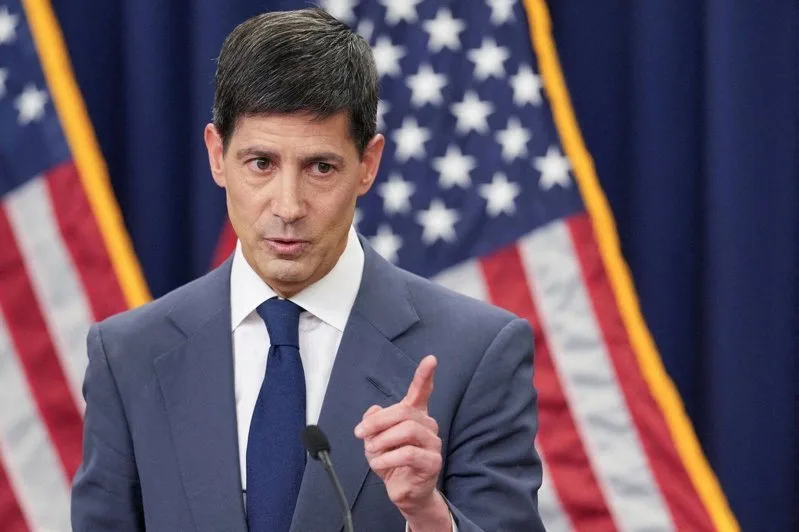
New Fed Chairman Kevin Warsh called the internal policy debate a “good family fight,” reflecting differing opinions among officials. While around half of the committee saw at least one rate hike likely before year-end, the other half preferred holding steady or even cutting rates later. No officials favored immediate rate reductions [1, 4, 9, 6].
Market reactions after the meeting were muted, with mixed moves in equities and modest declines in bond yields. Futures markets, however, indicated growing expectations for a rate hike by September 2026 [8, 5, 6]. The CME FedWatch tool showed a 74.9% probability that rates would stay unchanged in July, with chances of increases rising into September and December [10, 11].
The Fed’s June policy statement dropped forward guidance language, adopting a more cautious tone. Officials emphasized their commitment to price stability but refrained from signaling future rate moves explicitly [3, 4, 5, 6].
Geopolitical tensions further intensified after early July events, including renewed conflict involving Iran and U.S. military strikes. This pushed oil prices higher and contributed to market volatility. Analysts noted the Fed’s policy outlook heavily depends on political developments in the Middle East, with inflation risks on the rise [1, 11, 8, 4, 9, 6].
Economists highlighted how rising AI infrastructure investment represents a novel inflation driver alongside traditional factors like energy and tariffs. Meanwhile, the labor market remained relatively steady, reducing risks of employment losses but not easing inflation pressures [1, 3, 8, 4, 5, 6, 7].
Looking ahead, the Fed is expected to closely monitor inflation and geopolitical risks. If price pressures persist, a rate hike as soon as September 2026 appears increasingly likely, as market probabilities and internal dissent signal ongoing uncertainty in policy direction [10, 11, 4, 6].