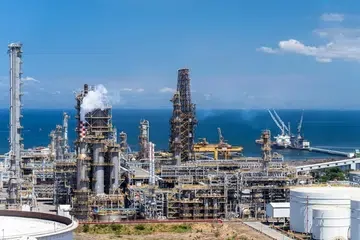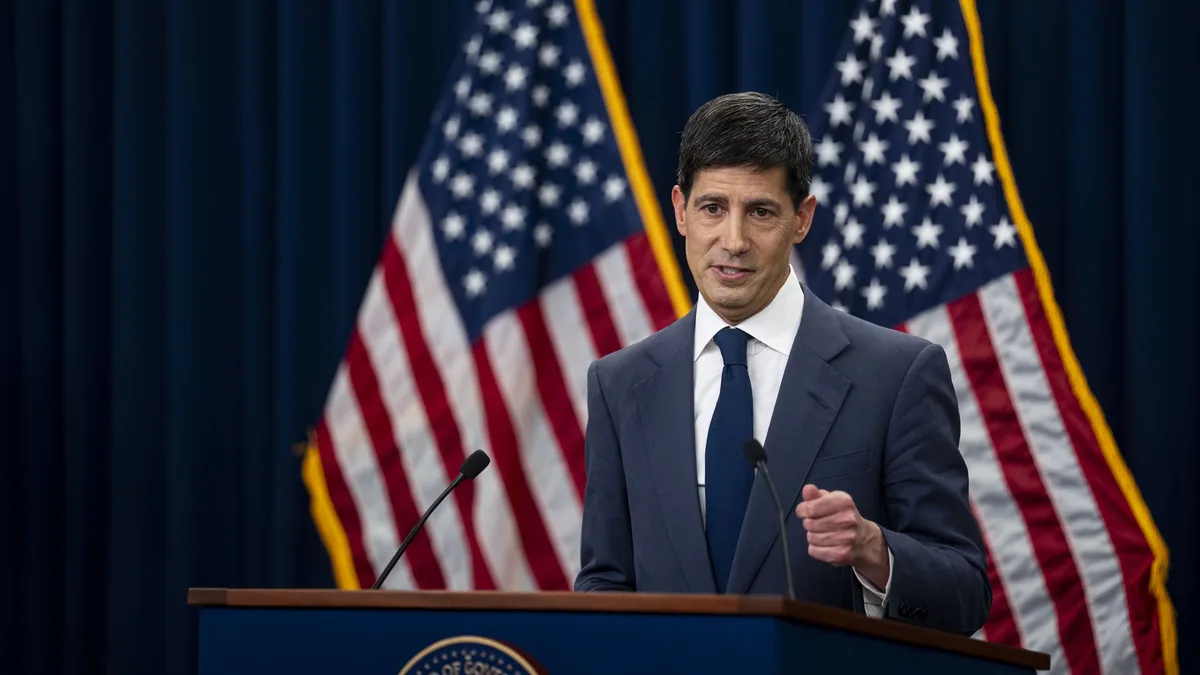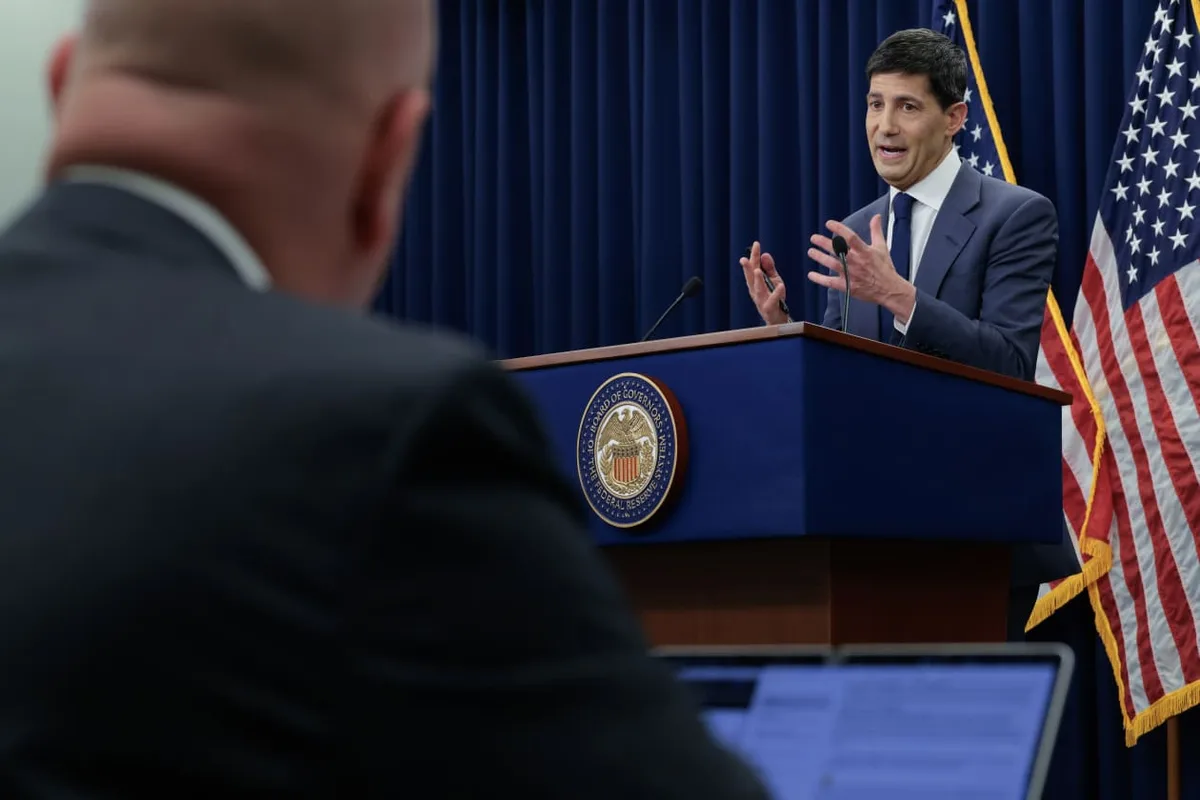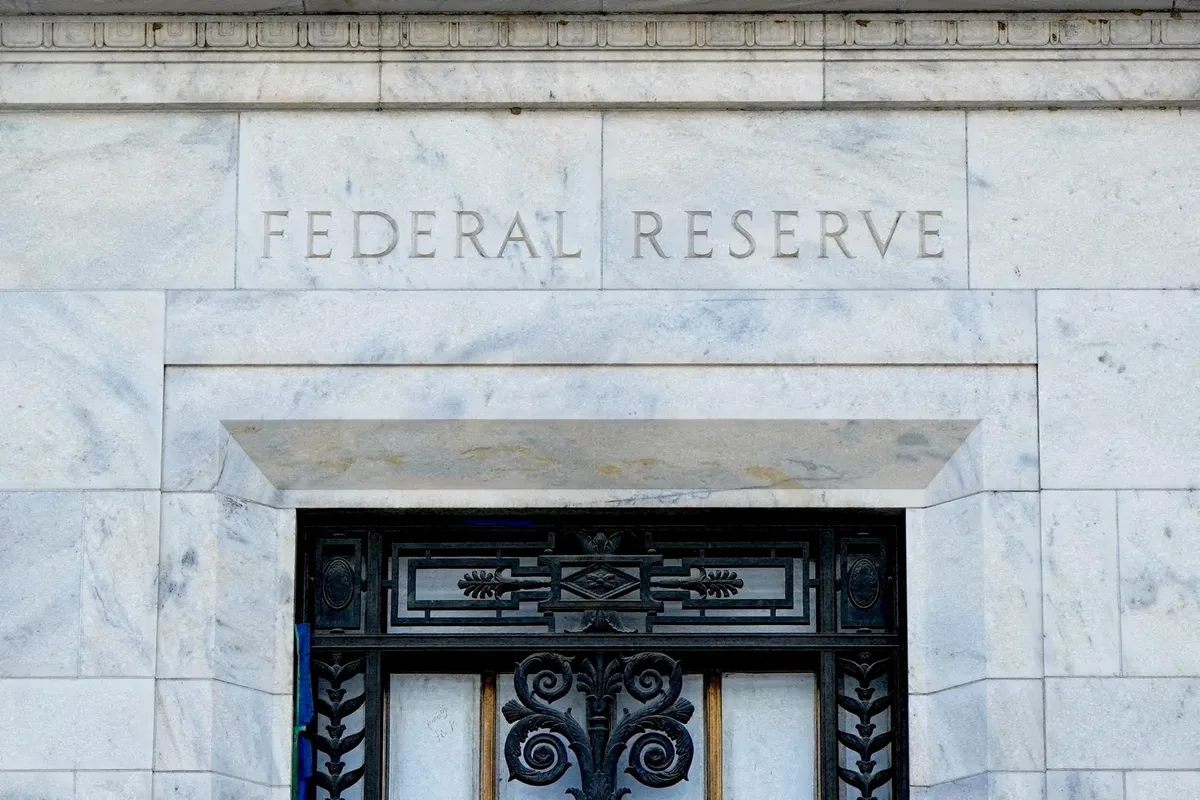
The Federal Reserve met on June 16-17, 2026, and decided to keep interest rates unchanged despite some officials arguing for a hike due to inflation concerns [1, 2, 3]. Fed policymakers split between expecting inflation to return to the 2% target on its own and fearing it would stay elevated, requiring further rate increases [1, 3]. The inflation pressures were broad-based, affecting goods and services like transportation, airfares, petrochemicals, agricultural inputs, and non-housing services prices, which remained high [1].
Minutes released on July 8 revealed that concerns also included inflationary impacts from growing investments in artificial intelligence, adding a new dimension to price stability risks [3]. "Participants generally assessed that information received over the inter-meeting period suggested that upside risks to price stability remained elevated while downside risks to achieving maximum employment had moderated a bit," the minutes said [1].
The document showed views had polarized into two main camps compared to a broader spread of opinions seen at the April 2026 meeting under former Fed Chair Jerome Powell [1]. Many participants expected rates to end the year around or slightly below current levels, while others anticipated higher rates by year-end [3].
Some participants supported keeping rates unchanged or lowering them if inflation eased, while others argued that "some policy firming would likely be warranted to return inflation to 2% in scenarios where inflation remains elevated due to AI-related demand, Middle East conflict, or tariffs," according to the minutes [3].
Next steps focus on monitoring inflation developments as policymakers reassess whether future rate hikes are needed. The Fed's 2% inflation target remains the benchmark guiding decisions [1, 3].