The Federal Reserve's April 28-29 Federal Open Market Committee (FOMC) meeting ended with the benchmark federal funds rate held steady between 3.5% and 3.75% but signaled likely future rate hikes if inflation stays above the 2% target. A majority of officials indicated that additional policy firming would be appropriate if inflation remains persistently elevated, according to minutes released on May 20 [1, 2, 3].
The meeting recorded four dissenting votes, the most since 1992, with three regional Fed presidents voting to keep rate hike options open. This reflected notable disagreement among committee members on the outlook for rates. Four officials dissented partly because they preferred a two-sided characterization in the statement indicating the next move could be up or down, rather than a bias toward easing [2, 3].
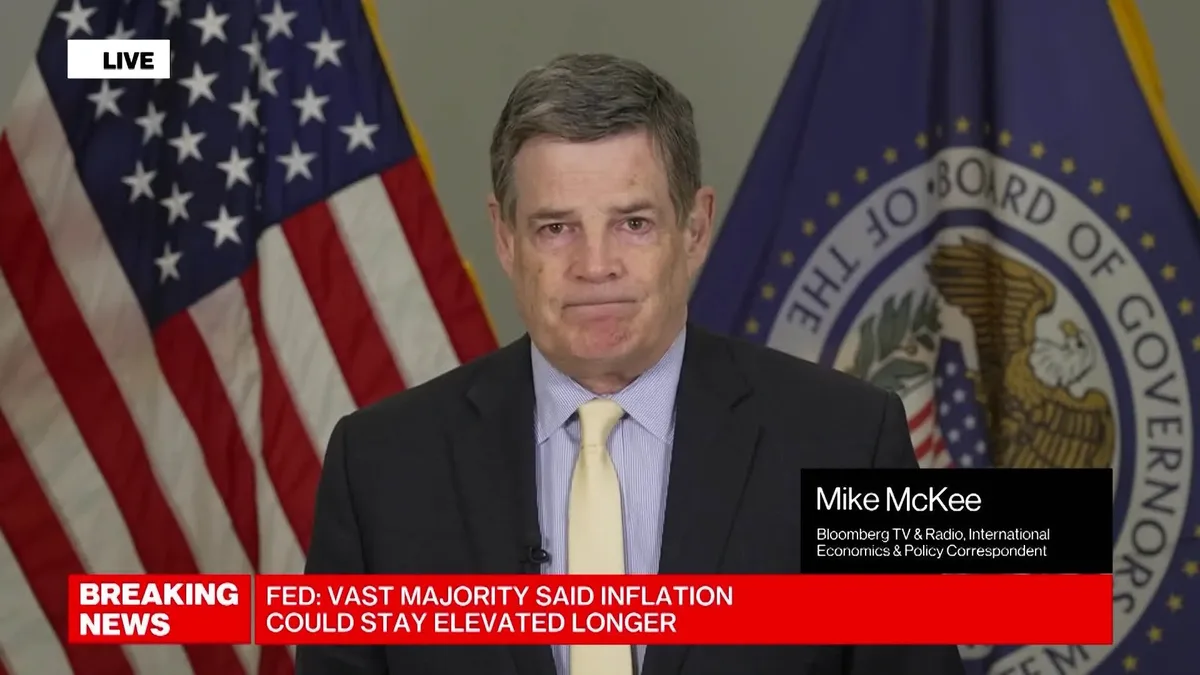
The minutes noted the "vast majority of participants" now see greater risk that inflation will take longer to return to the Fed's 2% objective than previously expected. Several officials expressed concern that inflation pressures could become broadly embedded if energy prices and tariffs, influenced by the conflict in Iran, remain high. The Iran war was cited as a significant factor contributing to energy price inflation and commodity cost increases that shaped officials’ outlook [2, 3].
While most participants leaned toward policy firming, some suggested that rate cuts could become warranted later in 2026 if inflation eases quickly, particularly if the Iran conflict ends and price pressures subside [3]. Debate occurred over whether to remove language in the post-meeting statement signaling a bias toward rate cuts. Many officials wanted the wording removed, but the change did not pass because the supporters were not a majority [2].
In addition to inflation concerns, multiple Fed members raised the importance of addressing cybersecurity risks, especially those related to rapidly evolving artificial intelligence technologies [3].
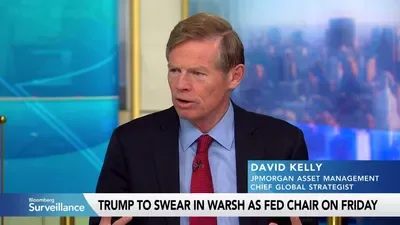
The April meeting was the last presided over by Jerome Powell before Kevin Warsh takes over as Fed chair [2, 3]. The May 20 release of the minutes offers a deeper view into the divisions within the committee and the challenges posed by persistent inflation and global geopolitical tensions.
The Fed’s next policy meeting is scheduled for June 15-16, when officials are expected to reassess inflation data and could consider adjusting the target rate.