The US Federal Reserve held interest rates steady at a target range of 3.5% to 3.75% during its June 17 meeting, marking the fourth pause this year. It was also the first Federal Open Market Committee (FOMC) meeting chaired by Kevin Warsh, who took over from Jerome Powell in May [1, 2, 3, 4, 5, 6, 7].
The Fed dropped the "easing bias" language from its policy statement, signaling a shift to a more neutral stance on future rate changes. Nine out of 19 FOMC members expect a rate hike by the end of 2026 according to the Fed’s economic projections [3, 4, 5, 6, 7].
Warsh expressed skepticism about the value of forward guidance, stating, "I can’t give you any forward guidance about what we’re going to do next. The good news is we’ll be meeting in six weeks" at his first post-meeting press conference [2, 6, 7]. He also emphasized the committee’s focus on price stability, saying in Chinese, "持续高企的物价是美国民众的负担,但过去并不一定决定未来,官员们态度明确且一致,联邦公开市场委员会(FOMC)将致力于实现物价稳定" [5].
The US labor market remains steady, with the unemployment rate around 4.3% and ongoing job growth alongside moderate wage increases. Inflation remains elevated at about 4.2%, above the Fed’s 2% target [3, 4, 5].
The meeting came one day after the US and Iran signed an interim peace agreement extending the April ceasefire by 60 days to allow further negotiations. This reduced geopolitical tensions and helped lower oil prices to a three-month low amid hopes Iran could resume exports [1, 8, 9, 10, 11].
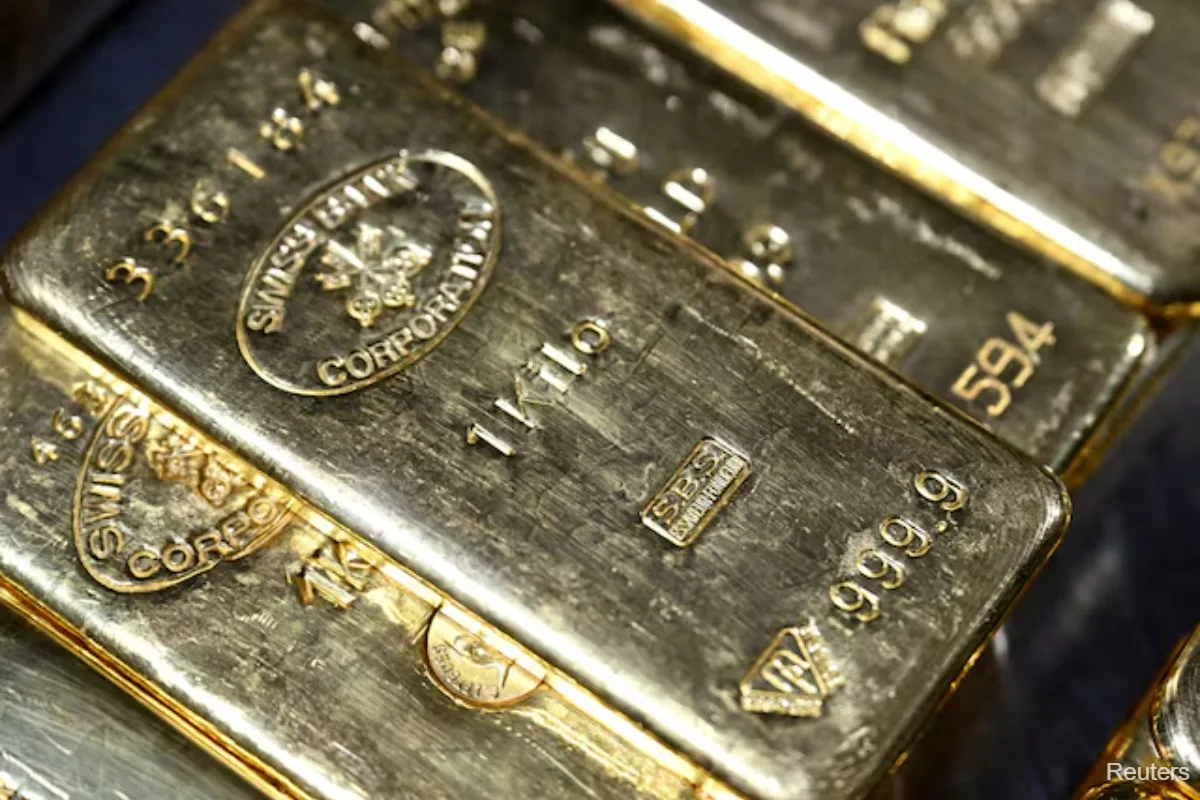
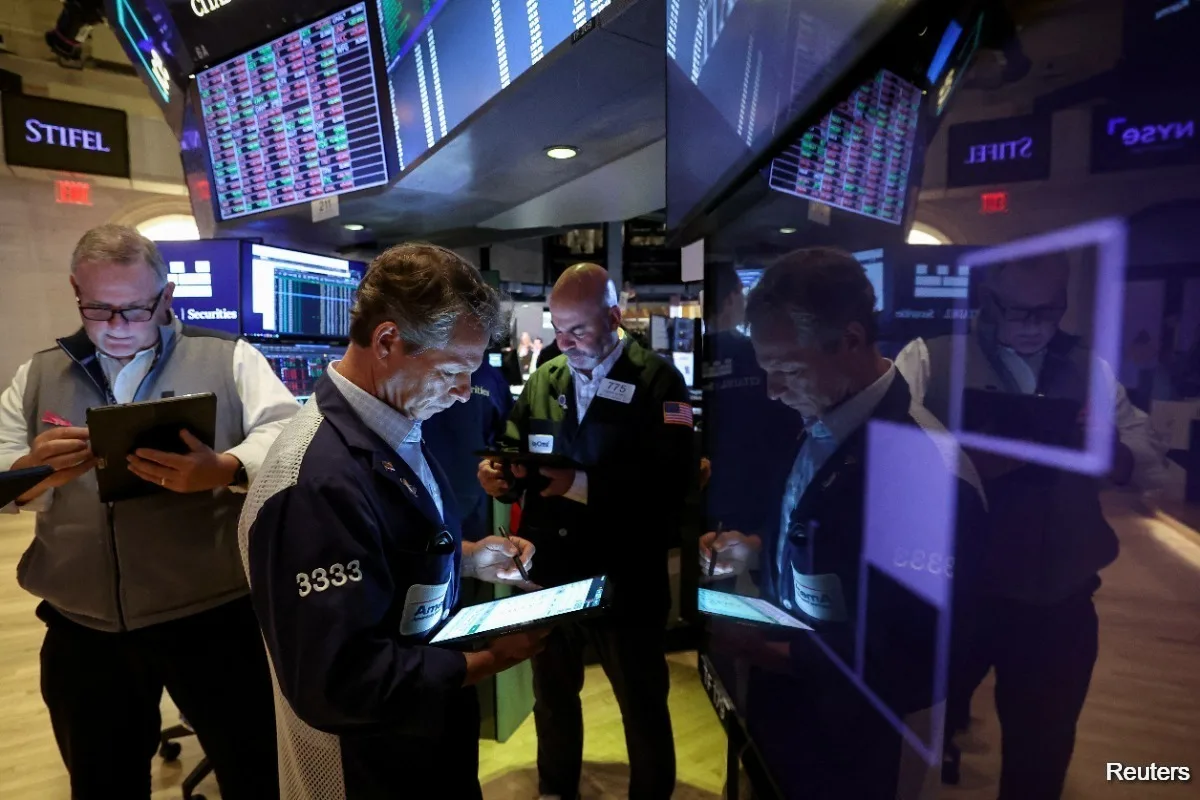
US stock indexes including the S&P 500, Nasdaq, and Dow Jones rose on June 18, buoyed by gains in chip stocks and optimism over the US-Iran deal, offsetting the still cautious Fed tone [9, 10, 12, 11]. Gold prices steadied near one-week highs ahead of the Fed announcement [8].
Market expectations shifted after the peace deal, lowering the odds of rate hikes in 2026 but still pricing in about a 59% chance of an increase in December and a 50% chance in September [1, 8, 9, 10, 11].
Economists remain divided on the timing and scale of future rate changes after 2026. Some foresee no hikes in 2026 but multiple cuts totaling 50 to 75 basis points in 2027, while the Fed’s projections suggest some members expect further hikes this year with potential cuts postponed [2, 4, 5, 6].
The Fed’s next policy meeting is scheduled in six weeks, continuing the careful monitoring of inflation, labor market conditions, and geopolitical factors [6].