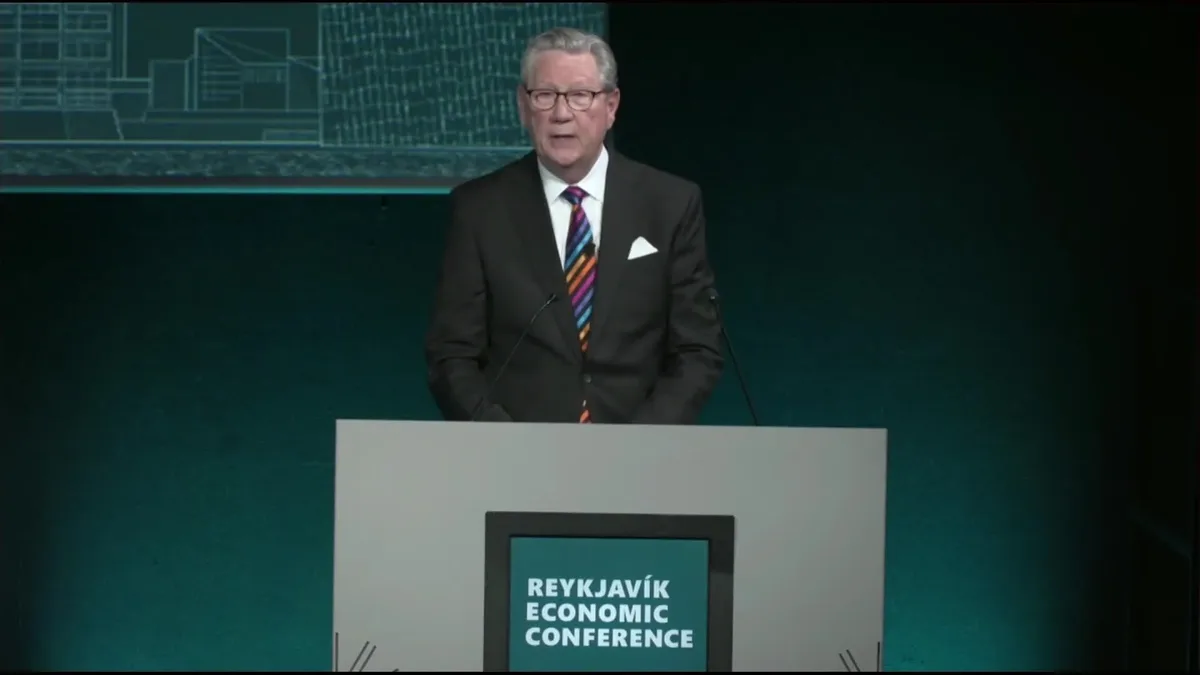
Federal Reserve Bank of Kansas City President Jeff Schmid said inflation has remained above the Fed's 2% target for more than five years and officials must maintain a strong commitment to price stability. He delivered his remarks on May 29, 2026, at a conference in Reykjavík, Iceland. Schmid said, "With inflation running above the Fed’s 2% definition of price stability for over five years, now is not the time to let down our guard. We must continue to signal our commitment to price stability and our willingness to take the actions necessary to achieve our mandate" [1, 2, 3].
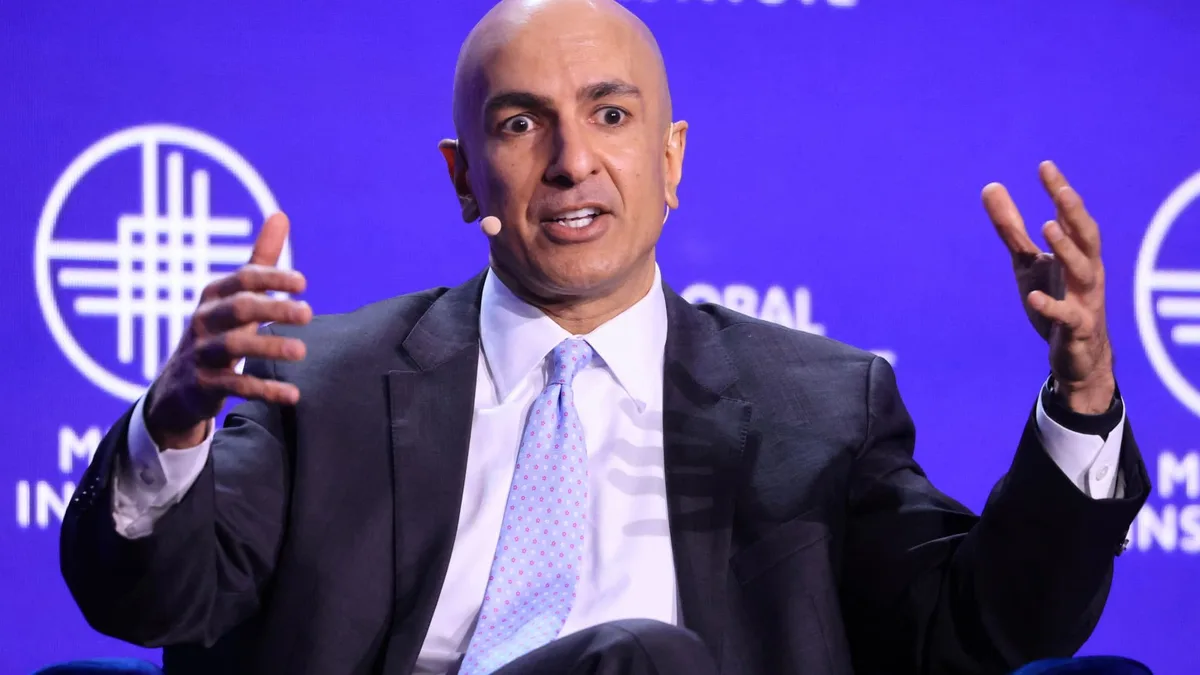
The US headline inflation rate rose to 3.8% in April 2026, the highest since 2023. Minneapolis Fed President Neel Kashkari described inflation as his top priority during remarks on May 28, 2026, at the Bank of Japan-IMES Conference. He said consumer prices are "much too high," while noting the US labor market remains "in decent shape" despite inflation pressures [4]. Both officials highlighted the duration inflation has stayed above the 2% target, with Kashkari stating this has persisted for over five years [1, 4, 3].
Kashkari attributed recent inflation pressures to factors including rising energy and fertilizer costs, the lingering effects of the COVID-19 pandemic, tariffs, and ongoing conflicts in Ukraine and Iran. The US-Israeli war with Iran has also contributed by increasing fuel and goods prices and lowering consumer sentiment, according to Schmid [4, 3]. Schmid additionally said the US labor market is currently balanced due in part to slowed immigration and increased retirements reducing workforce size [3].
Some Federal Reserve policymakers are weighing the possibility of future interest rate moves in either direction, hikes or cuts, depending on how inflation risks evolve [3].
Inflation above target and labor market conditions remain under close watch after the April 2026 headline inflation reading of 3.8%. Fed officials continue to stress readiness to take necessary actions to bring inflation back to target.