The Federal Reserve Bank of New York reported a sharp rise in food insecurity among low- and middle-income U.S. households between October 2025 and February 2026, linked to a K-shaped economic recovery that favors high earners [1, 2]. Lower-income, less-educated households with young children have experienced the most significant increases in food insecurity during this period [2].
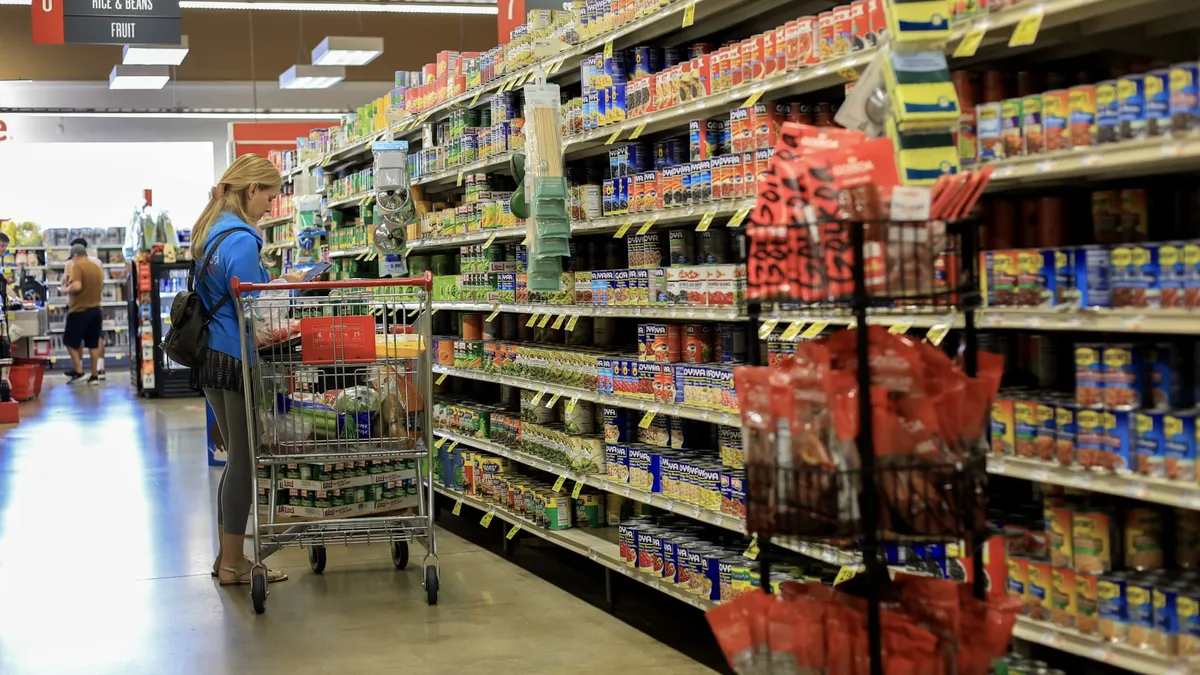
Higher costs for housing, food, utilities, and gasoline—averaging $4.46 per gallon as of May 2026—have strained budgets for these households, forcing many to cut back on groceries [1, 2]. The impact was compounded by cuts and stricter work requirements in the Supplemental Nutrition Assistance Program (SNAP) policies enacted during the Trump administration, reducing crucial government food aid [1, 2].
Nearly 14% of American households faced food insecurity in 2024, according to the U.S. Department of Agriculture, illustrating that the problem predates the recent surge [1]. Despite overall economic expansion, consumer sentiment fell to all-time lows in May 2026 as financial pressures mounted, particularly for lower-income families [1].
The recovery remains uneven, with high earners benefiting from stock market gains and home value appreciation while those with lower incomes endure worsening hardships [1, 2]. Many families have resorted to drawing down savings, reducing meal sizes, or relying more on both government and private food aid programs to cope with rising expenses [2].
Declining confidence in economic prospects and job opportunities among low-income households correlates with the increase in food insecurity, reflecting growing unease about financial stability [2]. Additionally, tariffs imposed during the Trump administration and geopolitical tensions, such as the conflict involving Iran, have pushed living costs higher, further shrinking disposable incomes [2].
The Federal Reserve Bank’s findings cover the period from October 2025 through February 2026, capturing a critical window of worsening food insecurity [2]. Consumer sentiment data from May 2026 underscores persistent economic challenges despite headline growth [1].