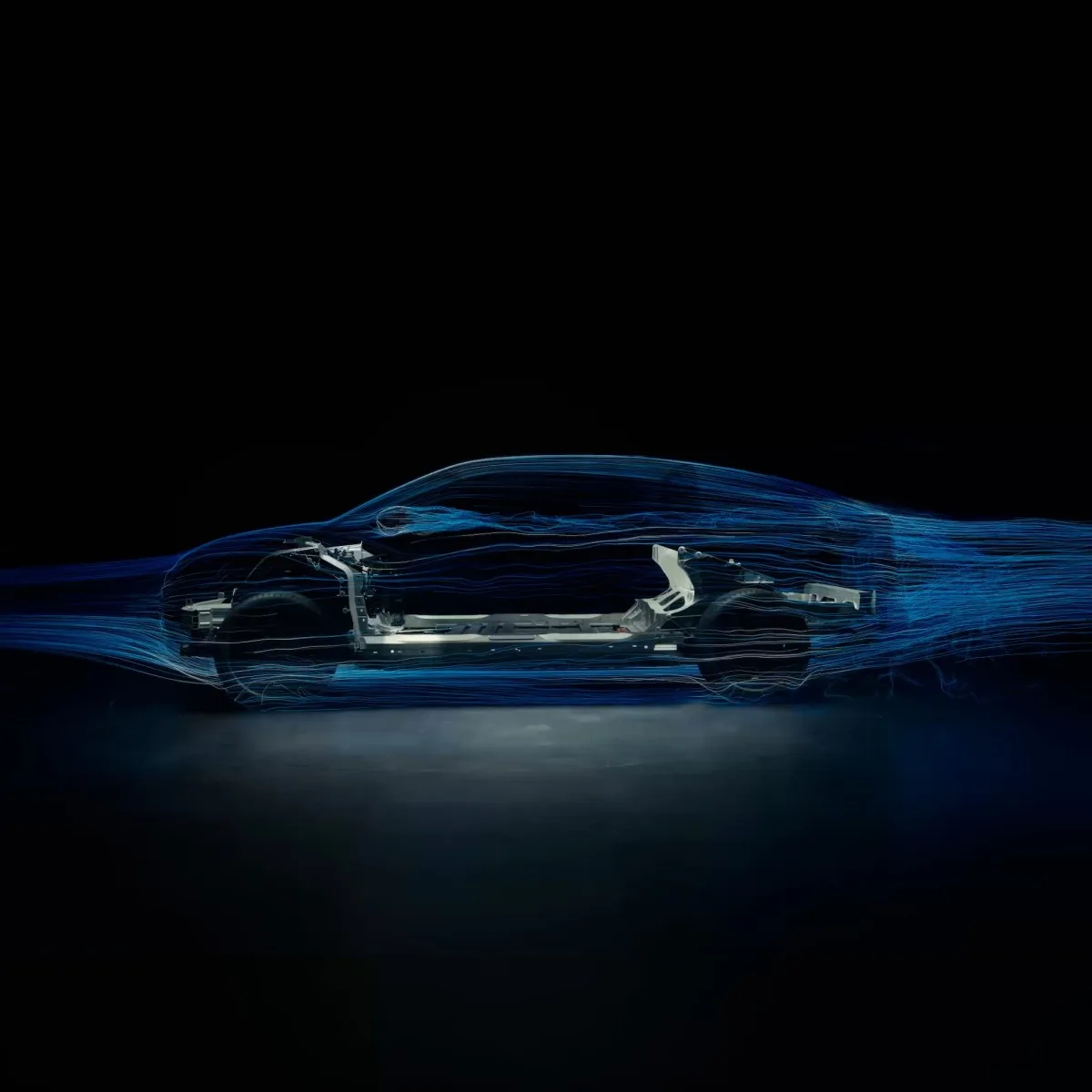
Ford announced it will incorporate Apple Maps directly into its Universal Electric Vehicle (UEV) Platform. The first vehicle to feature this integration will be a $30,000 midsize pickup truck scheduled for release in 2027 [1, 2, 3, 4].
The Apple Maps integration offers native navigation with turn-by-turn directions using natural language. It also provides real-time traffic and incident information, intuitive search, detailed place cards, and various routing options [1, 2, 3, 4]. Unlike Apple CarPlay, which mirrors iPhone apps, the Apple MapKit for Automotive SDK enables automakers to embed Apple Maps natively within vehicle infotainment systems [1, 2, 3, 4].
The system includes intelligent electric vehicle routing features such as battery preconditioning that optimizes charging times [1, 2, 3]. Drivers will not need to connect an iPhone to use the built-in Apple Maps navigation [1, 3].
Ford will also enhance its next-generation BlueCruise hands-free driver-assist system by incorporating Apple Maps road-level data. This allows hands-free highway driving from on-ramp to off-ramp with more precise mapping support, expected to roll out in 2027 [1, 2, 3, 4].
Beyond the initial pickup, the UEV platform will underpin multiple vehicle types, including sedans, crossovers, SUVs, and small commercial vans [2, 4]. Ford's Latitude AI division is developing an eyes-off unsupervised driving system targeted for release by 2028 [1, 2, 3].
Ford and Apple are exploring location-aware integrations such as automatic garage door opening and home light control, although these features remain at an early stage [2, 3]. A Ford representative said, "This partnership is designed to make advanced technology simple, useful, and intuitive in our customers' everyday lives" [3]. Apple stated the goal to "deliver a beautiful and easy-to-use navigation experience directly to the vehicle's displays" [4].
The partnership marks a clear divergence from competitors like GM, Tesla, and Rivian, which have avoided deep Apple integration [3]. Ford also aims to keep prices low; the initial UEV pickup will cost less than a three-year-old used Tesla Model Y [4].
The first UEV with embedded Apple Maps is planned for launch in 2027, followed by the updated BlueCruise driver-assist system expected the same year. The eyes-off unsupervised driving system is targeted for 2028 [1, 2, 3, 4].