Four US states—California, Colorado, Kentucky, and New Jersey—have sued Meta Platforms, accusing the company of intentionally designing Facebook and Instagram to addict young users and misleading the public on safety, seeking $1.4 trillion in penalties [1, 2, 3].
Meta revealed the $1.4 trillion figure in a court filing responding to the states' calculations of penalties should they prevail at trial. The amount roughly equals Meta's market capitalization of about $1.5 trillion [1, 2, 3]. The states based their penalty calculation on multiplying the number of alleged violations by state fines, using estimated numbers of young users affected [1, 3].
Meta called the penalty "unsupported by fact and law" and said a sanction of that size "has no analog in the history of consumer protection enforcement" [1, 4]. Meta also denied the allegations, arguing that "social media addiction is not an established psychiatric condition, so our statements denying addictiveness could not be false" [2].
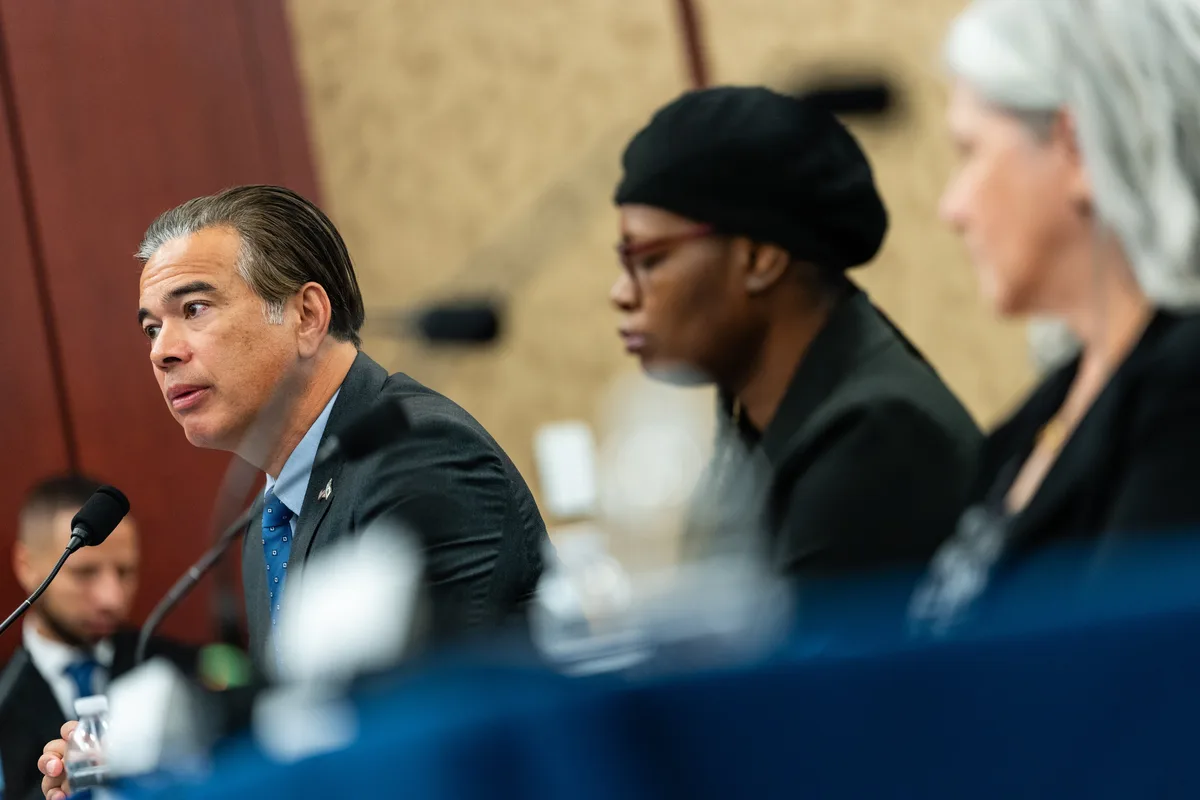
The four states allege Meta knowingly designed features to increase youth addiction and misled consumers about platform safety, violating state consumer protection laws. California Attorney General Rob Bonta said, "Meta puts profits ahead of children's safety and will be held fully accountable for its role in the youth mental health crisis" [2, 3].
Beyond the four states, 29 other states have brought claims against Meta over violations of the federal Children's Online Privacy Protection Act (COPPA). Their case will be heard alongside this lawsuit at an August 2026 trial in Oakland, California, before US District Judge Yvonne Gonzalez Rogers [1, 3].
An additional 14 states have filed separate claims under their own state laws, with a trial set for February 2027 [1, 3]. Other tech companies including Snap, YouTube (Alphabet), and TikTok (ByteDance) face related lawsuits over allegedly designing addictive platforms harming youth mental health [2, 3].
In a similar case, a New Mexico jury awarded $375 million against Meta in March 2026 for consumer deception related to youth addiction claims [5, 4].
The August trial is set to address these multi-state allegations of youth addiction and consumer deception against Meta, starting later this month in Oakland [1, 3].